
Climate-based Tool Predicts Coral Bleaching Months in Advance, Offering Critical Lead Time for Reef Protection
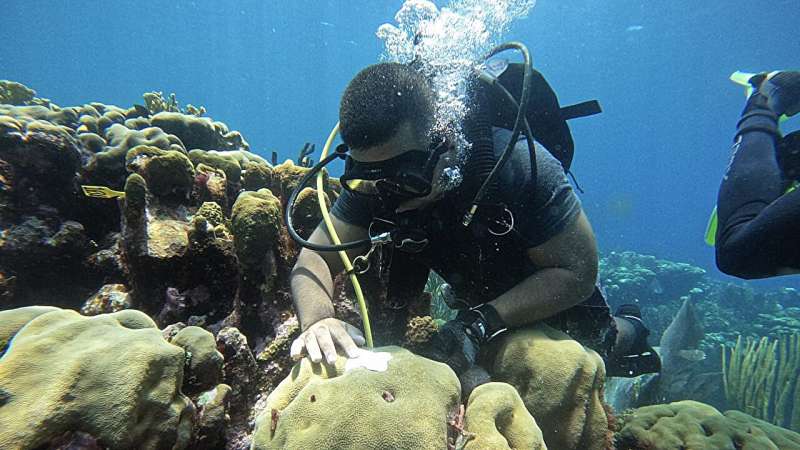
Researchers at the Woods Hole Oceanographic Institution (WHOI) have developed a new method to predict coral bleaching five to six months before it occurs, giving reef managers valuable time to protect vulnerable ecosystems. In the new study, "Climate modes can be leveraged to forecast coral bleaching months in advance," published in Communications Earth & Environment, researchers demonstrate that coral bleaching on the Caribbean island of Curaçao occurs when three major climate patterns in the Pacific and Atlantic Oceans align in specific ways that intensify ocean warming.
According to Mariya Galochkina, lead author of the study and MIT-WHOI Joint Program doctoral researcher, "Existing bleaching forecasts track heat stress in near-real time, and also rely on generalised thresholds for predicting bleaching risk, which means they often do not provide reef managers and restoration practitioners with enough lead time to prepare and respond effectively, or the predictions are inaccurate.
We take a different approach by using large-scale climate patterns that interact to shape regional ocean and atmosphere conditions with a time lag, which lets us identify bleaching risk months in advance."