
The Maldivian government has submitted a bill to parliament to change the 28-year-old Uninhabited Islands Act.
The new legislation would give the president a central role in defining the use of the archipelago's uninhabited islands and lagoons, introducing provisions on awards, concession duration, and leasing fees.
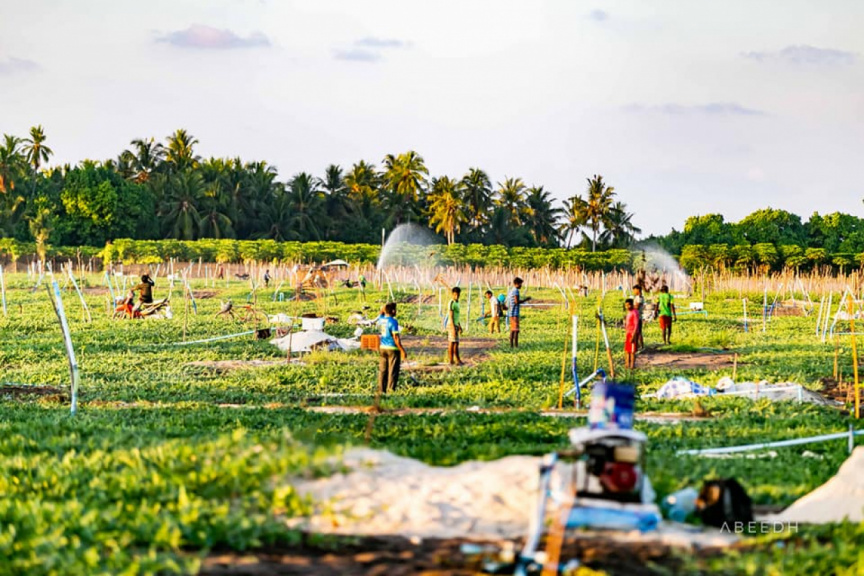
Among the main changes is the possibility of leasing uninhabited islands and lagoons for purposes other than tourism, paving the way for industrial, farming, fishing, social, and public activities.
While islands designated for tourism and industrial development will be assigned directly by the central government, those designated for other uses will be managed and administered by local island councils.
Lagoons, however, will be entrusted to the relevant ministry. The inclusion of lagoons represents one of the proposal’s most significant innovations, as they had previously been excluded from the existing regulatory framework.
Another important aspect of the reform concerns greater transparency and a clearer definition of the role and responsibilities of local governance.
The bill introduces specific provisions about the relationship between local councils and government-controlled islands and lagoons.
The stated objective is to find a balance between the central government authority and the interests of local communities.
With this bill, the government led by President Mohamed Muizzu opens the sector to both domestic and foreign investors.
Uninhabited islands designated for commercial purposes may be leased to companies and individuals registered in the Maldives, as well as to foreigners operating in the country. For other uses, leases will be reserved for Maldivian citizens, businesses, and associations.
The bill also sets the duration of concessions, the criteria for determining leasing fees, and introduces a system of penalties, with the aim of ensuring more orderly management and ecosystem protection.
If approved, the new legislation will replace the 1996 Uninhabited Islands Act.
By including lagoons and expanding the authorised uses of uninhabited islands, the government aims to create new economic opportunities and simplify the management of the country's natural heritage.
However, the reform reopens the debate on the growing centralisation of power in the hands of the central government and on the role of local councils in land management.
The opening of uninhabited islands to industrial activities and foreign investors also raises concerns about the protection of the archipelago's ecosystems and the transparency of concession awards.