
Restoration, Protection Aim to Save Belize’s Coral Reef From Extreme Heat and Disease
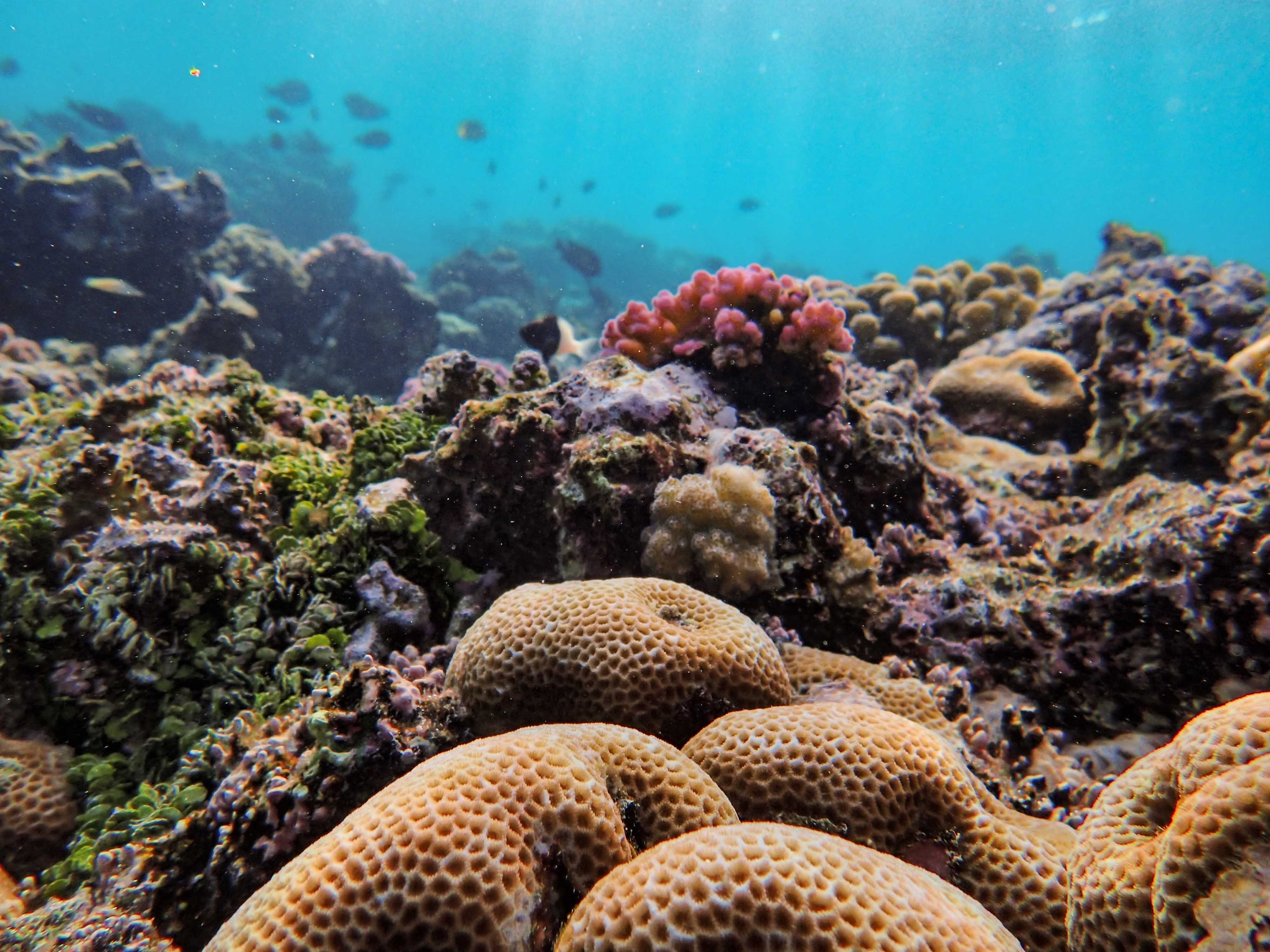
After Hurricane Iris decimated the coral reef at Laughing Bird Caye National Park in 2001, many wrote off the UNESCO World Heritage site as a coral graveyard. But a small group from the coastal village of Placencia, Belize, about 18 kilometers (11 miles) from the island, saw hope. In 2006, the park had just 6% live coral cover. By 2023, it had reached approximately 60% — the result of the group planting more than 92,000 fragments of coral within the 1-hectare (2.5-acre) shallow fringing reef.
The group, Fragments of Hope (FOH), is a Belize-based nonprofit organization focused on restoring coral reef habitats. Their work at Laughing Bird Caye is widely regarded as the best example of reef restoration in the Caribbean. But while the park stands as a beacon of hope for coral restoration, it has not been immune to the onslaught of record-breaking temperatures occurring globally.
“2024 was the worst bleaching event since we’ve been recording around 2008,” Lisa Carne, FOH’s founder, said during an interview with Mongabay. Many of the corals planted at Laughing Bird have succumbed to extreme heat stress and disease. At Moho Caye, another restoration site, live coral cover dropped from more than 50% to less than 5%, “likely reflecting similar declines at Laughing Bird,” Carne said.
It’s not just Laughing Bird and Moho. Unprecedented coral bleaching, a relatively new illness called stony coral tissue loss disease (SCTLD), and other threats to corals are negatively impacting reef health across Belize, and it forced FOH to shift tactics.
“Over the past two years, it’s been getting hotter and hotter, and we haven’t been able to plant coral, which is what we would normally do,” Monique Vernon, a coral reef restoration practitioner trained by FOH who has been conducting restoration and monitoring activities with the group for years, told Mongabay.
Instead, the group focused on conducting monitoring surveys and collecting data on the rate of coral bleaching and coral diseases at restored sites in Belize.
“We’re trying to host two trainings per year so that we can get more Belizeans on board helping us to survey corals,” Vernon said. In March, when Mongabay spoke with her, Vernon was doing just that: serving as a trainer for a FOH workshop in Placencia to teach a group of Belizeans the basics of coral monitoring and data collection.
This scientific effort is pivotal to identifying site variability and corals that show genetic resistance to stressors, according to Carne. She called these resilient corals “winners” and said finding them will inform future coral restoration and protection activities. FOH will eventually transplant fragments from these winners to sites with fewer stressors, with the hope that their proven resilience in harsher conditions will increase their chances of survival and growth.
“We need to keep an eye on everything with monitoring,” Esther Peters, an expert on coral reefs and their diseases at George Mason University in Virginia, U.S., told Mongabay. “Often, there are not too many laboratories and not too many researchers. We need to bring in more people and get them involved and being able to report what they see to researchers,” said Peters, who has conducted research in Belize over the years and has recently been working close by, in Roatan, Honduras.