
Small islands offer big hope for conservation of endemic species, study shows
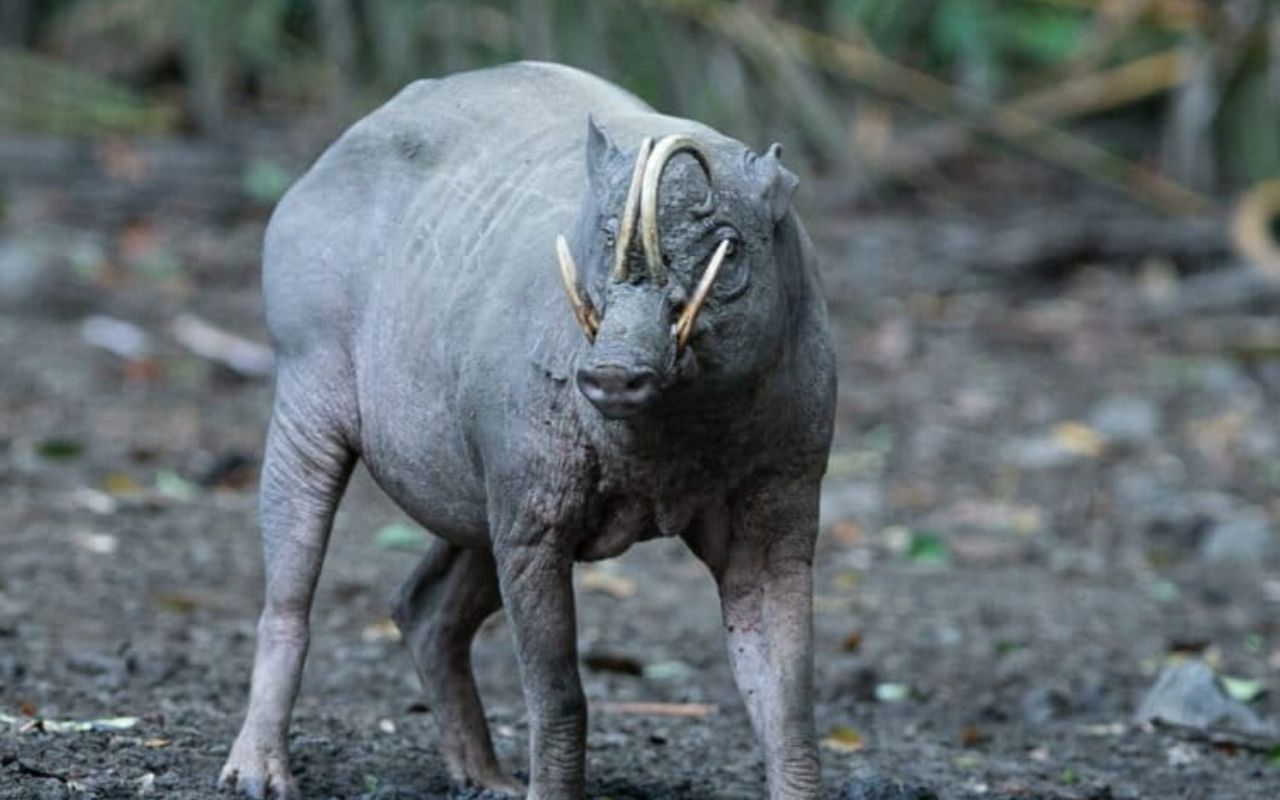
Photo credit: news.mongabay.com Excerpt from news.mongabay.com
Animals living on small islands are often thought to be more susceptible to extinction compared to those distributed across mainland land masses. Small population sizes, limited habitat availability, and genetic isolation can propel species into a downward spiral. However, new research from Indonesia’s biodiverse Wallacea region suggests that in areas facing intense anthropogenic disturbance, small islands can in fact provide crucial genetic and ecological refuges for rare mammals.
The new study focuses on two forest-specialist mammals endemic to the island of Sulawesi and its smaller offshore islands: the anoa (Bubalus spp.), a type of dwarf buffalo; and the spectacularly tusked babirusa pig (Babyrousa spp.).
Both mammals have suffered steep population declines in recent decades as logging, mining and agricultural expansion have replaced their forest habitats. Populations of anoa are classified as endangered on the IUCN Red List, while babirusa populations range from vulnerable to endangered. With their numbers thin on the ground, researchers often have trouble studying them.