
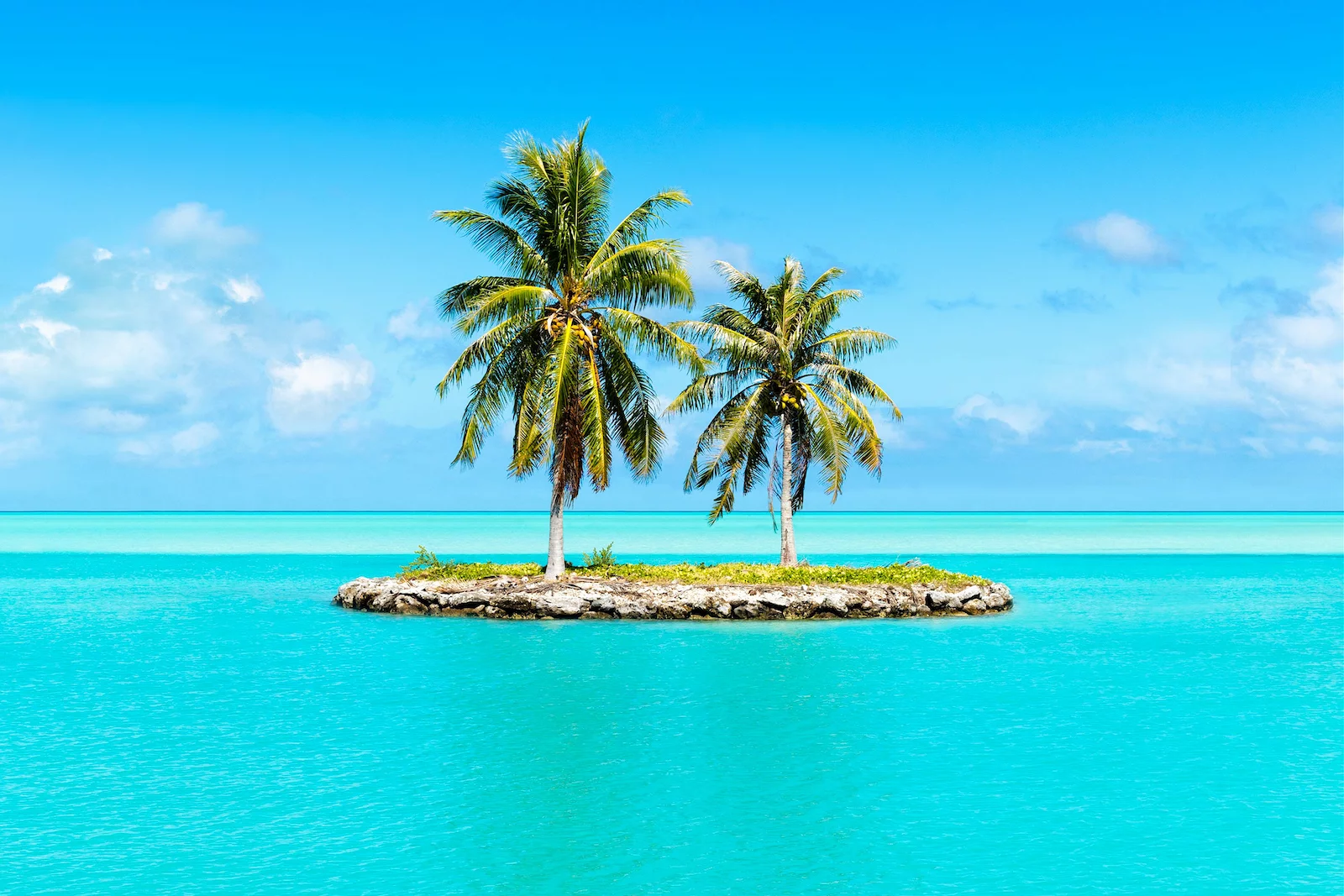
Photo retrieved from intpolicydigest.org
The riveting landscapes and vibrant cultures of the Pacific Islands have long been a source of fascination and wonder for the world. However, the very existence of these unique island nations is under threat due to the relentless march of climate change. Rising sea levels, ocean acidification, and intensified storm surges are putting these island nations on the front lines of the worsening climate disaster.
In the face of this existential threat, Pacific Island states are taking bold steps to safeguard their cultural heritage, traditions, and identities against the decaying of their natural defenses. While climatologists cannot exactly predict when parts of the region will become untenable, existing research and on-the-ground meteorological patterns reveal how several islands may become inevitably uninhabitable.
As such, I want to highlight the proactive measures these nations are undertaking to preserve their cultural and historical legacies. I also explore the potential obstacles and opportunities these measures face amidst the growing competition between China and the United States in the region and Tuvalu’s notable leadership since 2022 in mitigating climate change, which has inspired smaller middle states to take up the mantle of responsibility.
The Pacific Islands, among the first hit by climate change, face the fastest sea-level rise in nearly five millennia due to severe flooding and the erosion of various low-lying islands. With over 25,000 islands spanning 15% of the globe’s surface, the Pacific is home to 1,750 unique languages and millions of disparate communities. This culturally diverse region, home to Melanesian, Polynesian, and Micronesian groups, has a deep history of maritime exploration and reliance on coastal resources. The Solomon Islands, spanning hundreds of islands, are at the forefront of experiencing the submersion of five reef islands, while an additional six have nearly vanished entirely since the beginning of this century.
Kiribati, designated a UN climate risk since 1989, faces growing dangers from rising sea levels and storms, resulting in freshwater contamination, crop damage, and residential flooding. Despite minimal greenhouse gas emissions (0.6% of the global total), the nation grapples with emigration, temporary measures, and land acquisition in Fiji. Seeking international aid for climate-displaced individuals, New Zealand is the sole provider, accepting 150 migrants annually. Alongside the threat to its physical landscape, Kiribati also risks losing centuries of its unique cultural and historical identity.