
Teeming with Turtles: Cabo Verde Island Sees 80-Fold Increase in Nesting Loggerheads
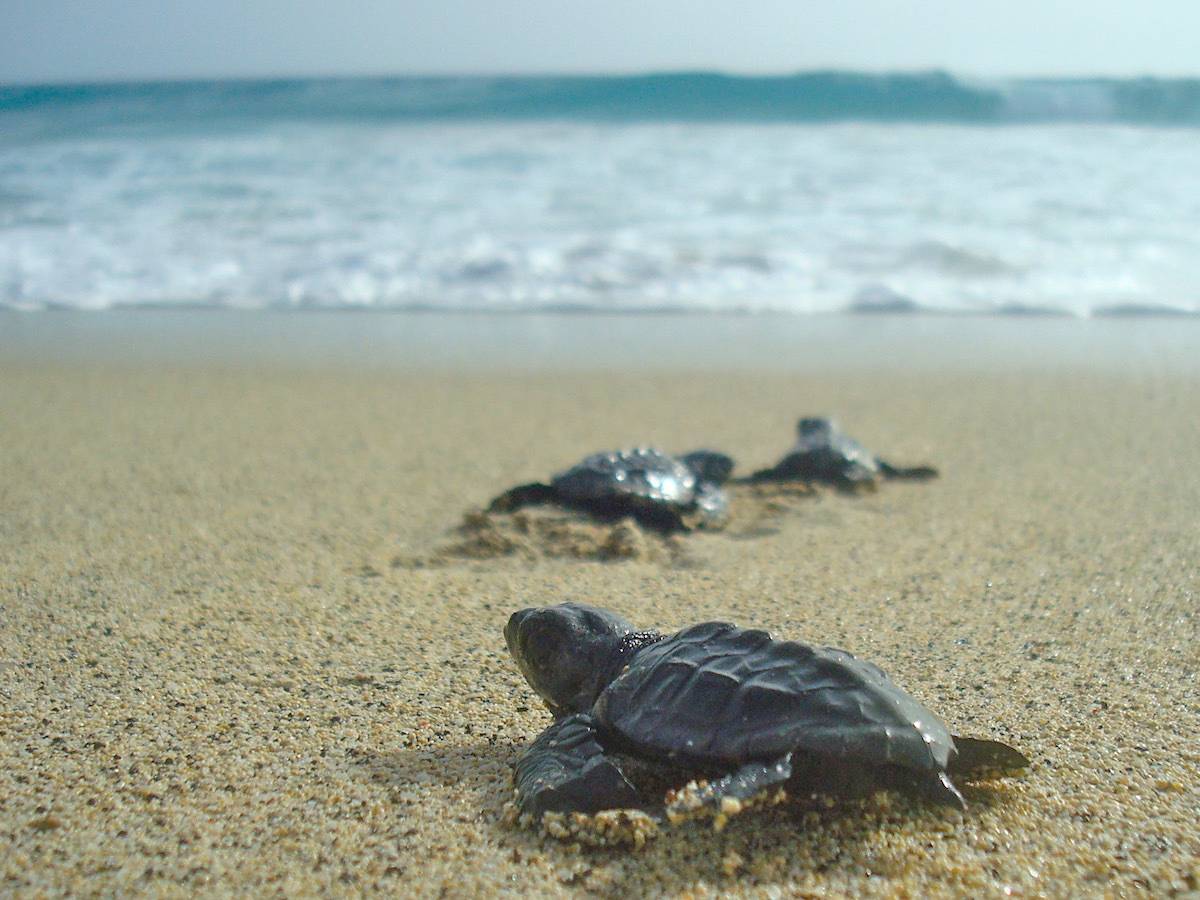
In 2018, night patrol teams on Boa Vista, the third-largest island in the Cabo Verde archipelago, started noticing a change along the beaches: The loggerhead turtles were arriving in significantly larger numbers than usual. In previous years, each team, comprised of staff and volunteers from local conservation NGO Cabo Verde Natura 2000 (CVN2), encountered between five and 10 female turtles (Caretta caretta) a night. But now, the teams were each recording between 20 and 30 females a night. By 2021, that number had grown to between 30 and 40. A recent study published in Biological Conservation confirms the upward trend: An 80-fold increase in the population of loggerheads nesting at three of Boa Vista's beaches over 27 years, from 1998 to 2024. The authors of this first long-term study of Cabo Verde's nesting loggerheads ascribe the remarkable trend to decades-long conservation efforts at the local and national level. Loggerheads, which primarily inhabit temperate and subtropical regions of the Pacific, Atlantic and Indian oceans and the Mediterranean Sea, are long-lived, slow-maturing migratory animals. With a lifespan of 80 years or more, female loggerheads take decades to reach sexual maturity. The global loggerhead population has declined by 47% over the past three generations, according to the last IUCN Red List assessment, where it remains listed as a globally 'vulnerable' species. The IUCN, the global wildlife conservation authority, largely attributes this decline to anthropogenic pressures such as habitat loss, marine pollution, bycatch, poaching and multiple climate change-driven impacts. Relative to other global loggerhead nesting sites, the numbers at Boa Vista are striking. Whereas biologists have recorded up to 600 nests per kilometer (0.62 mile) at sites in the U.S. state of Florida and in Oman (the only other sites with more than 10,000 females nesting per year), the new study found that the three largest nesting sites at Boa Vista reached a whopping 22,000 nests per kilometer in 2021.