
This Under-the-radar Caribbean Island Has One of the Most Affordable Citizenship-by-Investment Programs
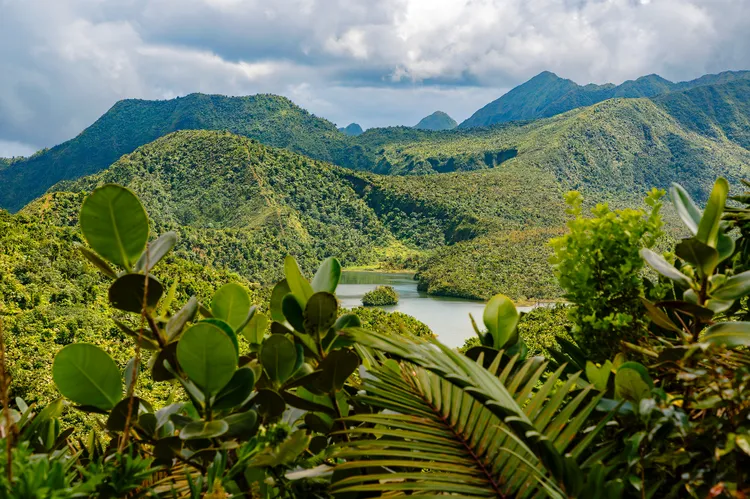
Recently named the best island in the Caribbean in the 2026 World’s Best Awards, Dominica has spent decades quietly attracting travelers seeking nature over crowds. But according to Dan Merriam, a Caribbean real estate and investment migration advisor with Sotheby’s International Realty, change is on the horizon.
“Although this has not happened on a large scale yet, I see Dominica becoming increasingly attractive to retirees, digital nomads, outdoor enthusiasts, and global families looking for a unique place to live and a more intentional way of life,” he tells Travel + Leisure. “The island offers low density, abundant freshwater, food security, natural beauty, and a warm and inviting culture that has not been overwhelmed by tourism.” You can hike to waterfalls, kayak to quiet beaches, and take a boat down the meandering Indian River—activities that make it abundantly clear why Dominica is called the “Nature Island.”
And then there’s the appeal of Dominica’s citizenship-by-investment (CBI) program, which provides citizenship status after meeting certain requirements. “Historically, demand for citizenship-by-investment and Golden Visa programs came primarily from developing countries. But due to recent global events, second citizenship has become a much more common topic among high-net-worth and ultra-high-net-worth families in the United States, Canada, Europe, and other developed markets,” says Merriam.
One of the “Caribbean Five,” a group of nations known for offering citizenship through investment, Dominica currently has the most affordable CBI program. “The accessibility of the Dominica citizenship-by-investment program largely centers around its relatively uncomplicated application process along with its relatively low contribution requirement,” explains Dominic Volek, group head of private clients at Henley & Partners. There are two pathways to citizenship: a $200,000 contribution to the Economic Development Fund (or $250,000 for a main applicant and up to three qualifying dependents) or a $200,000 investment in real estate.
While Volek notes that the program requirements are “in line with those of other Caribbean programs,” and applicants are “generally not required to reside in or travel to Dominica during the application process,” things may soon change. “The government has announced that successful applicants will, in future, be required to visit Dominica to collect and renew their passports. The implementation date and detailed requirements have yet to be confirmed,” he says. It’s also worth mentioning that there’s been recent pressure from the European Commission to end CBI in Eastern Caribbean countries.
As of now, though, Merriam says the increased interest in second citizenship has benefited CBI-approved real estate in the Caribbean. “For families interested in spending time in the region, purchasing an approved property can be more attractive than making a government donation because it combines citizenship eligibility with a tangible asset, personal use, potential rental income, and eventual resale,” he explains. Plus, as Volek adds, “Dominica has one of the lowest investment holding periods at three years if the property is sold on the open market, and five years if sold to another citizenship-by-investment investor.”