Content Library

News

Curated stories and analysis from islands and sustainability leaders worldwide.

Showing 9 of 164 news items in Energy & Transport
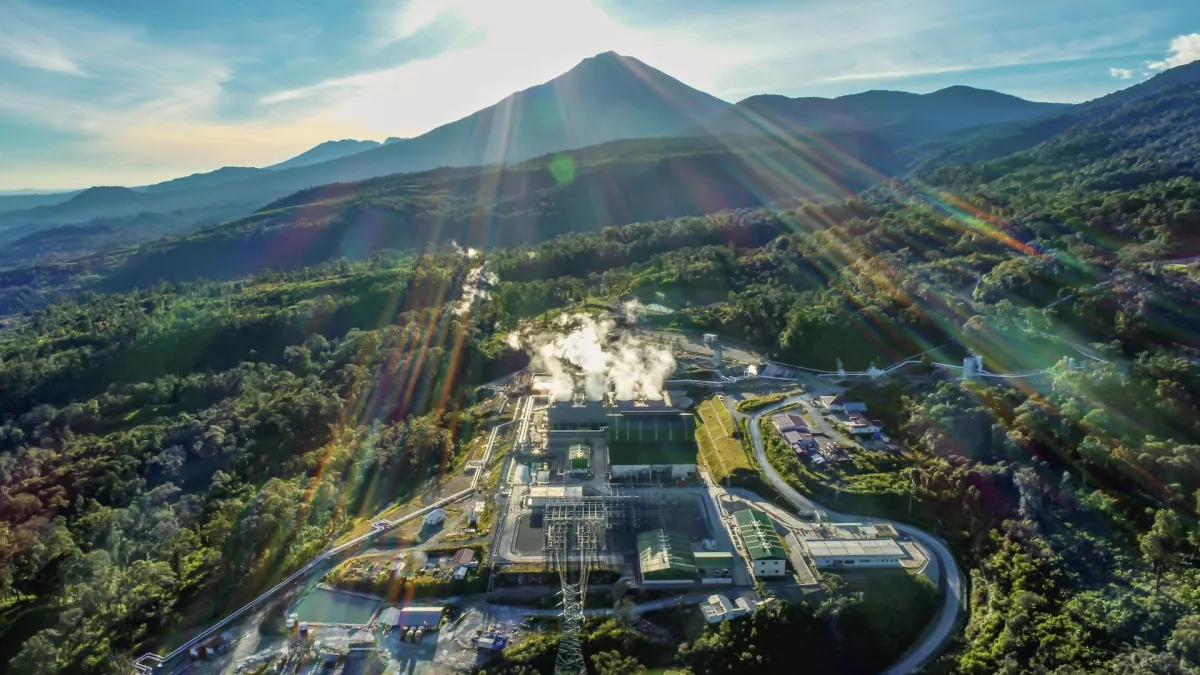
OECS Commission announces geothermal study tour to Guadeloupe: A step towards sustainable energy
Energy & TransportJuly 7, 2025

OECS Commission announces geothermal study tour to Guadeloupe: A step towards sustainable energy

The OECS Commission has announced the commencement of a pivotal study tour to Guadeloupe, focusing on geothermal energy development. This initiative underscores the OECS’s commitment to advancing sustainable energy solutions and strengthening regional energy independence by tapping into the potential for indigenous, clean power from the heat beneath our feet. This study tour, organised by the OECS Geothermal Energy Capacity Building for Utilisation, Investment and Local Development ([GEOBUILD](https://oecs.int/en/geobuild)) Programme, from June 23-27, builds on a history of regional collaboration and learning in geothermal energy, facilitated by the OECS Commission and regional and international agencies. Guadeloupe has been a pioneer in the Caribbean, operating a geothermal electricity plant since 1986.

Read more
GSIS2025 – OECS geothermal projects raise profile at Nevis Geothermal Forum
Energy & TransportJuly 1, 2025

GSIS2025 – OECS geothermal projects raise profile at Nevis Geothermal Forum

**Photo credit: OECS Press Room /pressroom.oecs.int** Caption: From left, Dr. Mohammed Nagdee, Executive Director, and Kiesha Farnum, Head of Partnerships and Programmes, Caribbean Centre for Renewable Energy and Energy Efficiency (CCREEE); Hon. Konris Maynard, Chair, OECS Council of Ministers: Energy and Minister of Energy, St Kitts and Nevis; Hon. Mark Brantley, Premier of Nevis; and James Ellsmoor, CEO, Island Innovations, at the Nevis geothermal forum. The Organisation of Eastern Caribbean States (OECS) Commission has hailed the Nevis Geothermal Forum, held on May 26, as a watershed moment for the region’s sustainable energy ambitions. Organised by Island Innovation in collaboration with the Nevis Island Administration and the OECS GEOBUILD Programme as a prelude to the Global Sustainable Island Summit (GSIS) in St Kitts and Nevis, the forum convened government leaders, technical experts, international partners, and private sector stakeholders to accelerate geothermal development across the OECS. ​ **Political will, regional collaboration, hallmarks of development** The forum showcased a new era of cooperation between the federal government of St Kitts and Nevis and the Nevis Island Administration. The Honourable Mark Brantley, Premier of Nevis, welcomed participants by highlighting the island’s unique geothermal potential:

Read more
The power of islands: offshore Africa enters a new energy era
Energy & TransportJune 3, 2025

The power of islands: offshore Africa enters a new energy era

Scattered around the fringes of the continent, Africa’s small island countries are notable for their diversity. Some – such as Mauritius, a hub for financial services, and Cabo Verde, a tourist hotspot – are relatively wealthy. Others, like Comoros and Madagascar, are among the poorest in the world. The Seychelles consists of low-lying islands that are extremely vulnerable to rising sea levels, whereas São Tomé and Príncipe is made up of towering volcanic peaks. While each of Africa’s island nations is unique, their small size and relative isolation create some common challenges. When it comes to generating electricity for island grids, “in general, your cost per unit is extremely high,” says James Ellsmoor, CEO of consulting firm Island Innovation. “The smaller the island, the higher the cost per unit, just because of economies of scale. And so that has a knock-on effect down the whole economy, and it puts island economies as a whole at a real disadvantage.”

Read more
Gran Canaria Boosts its Largest Investment in Renewable Energies with More Than 8.6 Million Euros
Energy & TransportMay 19, 2025

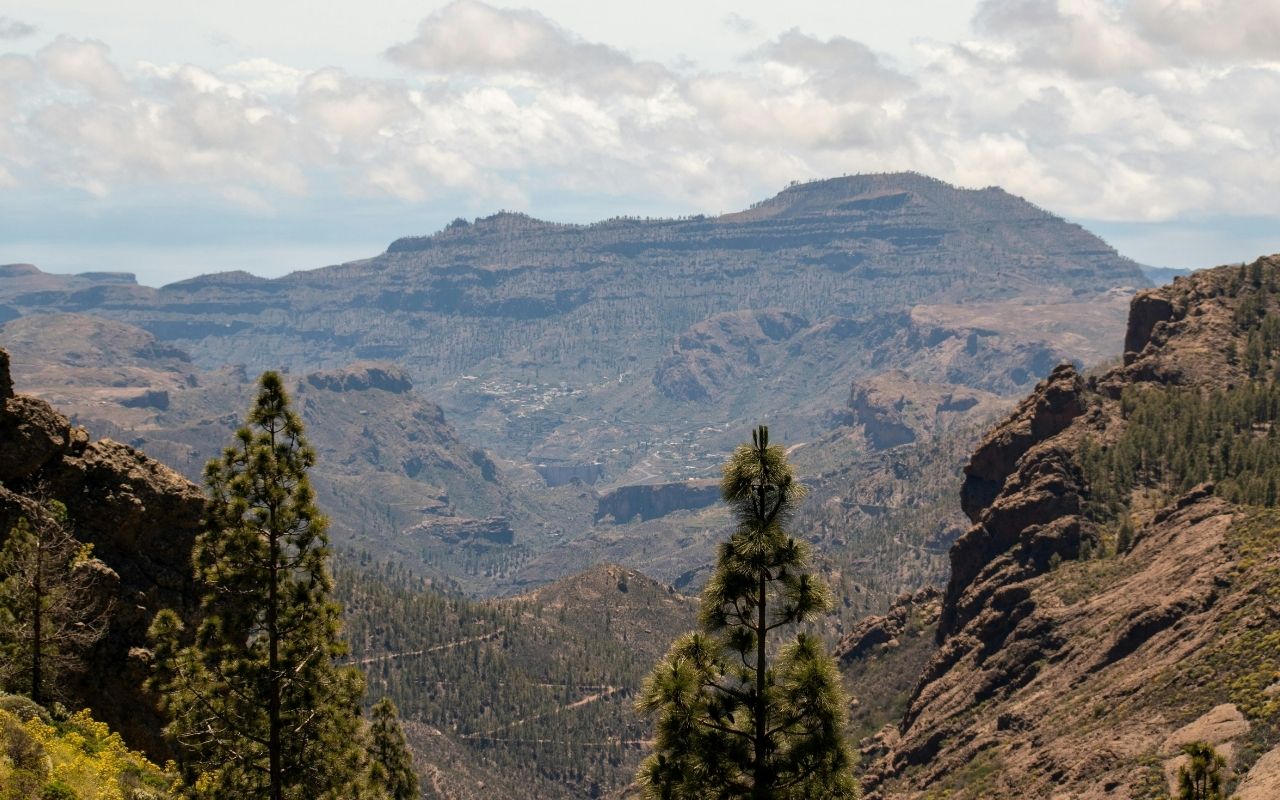
Gran Canaria Boosts its Largest Investment in Renewable Energies with More Than 8.6 Million Euros

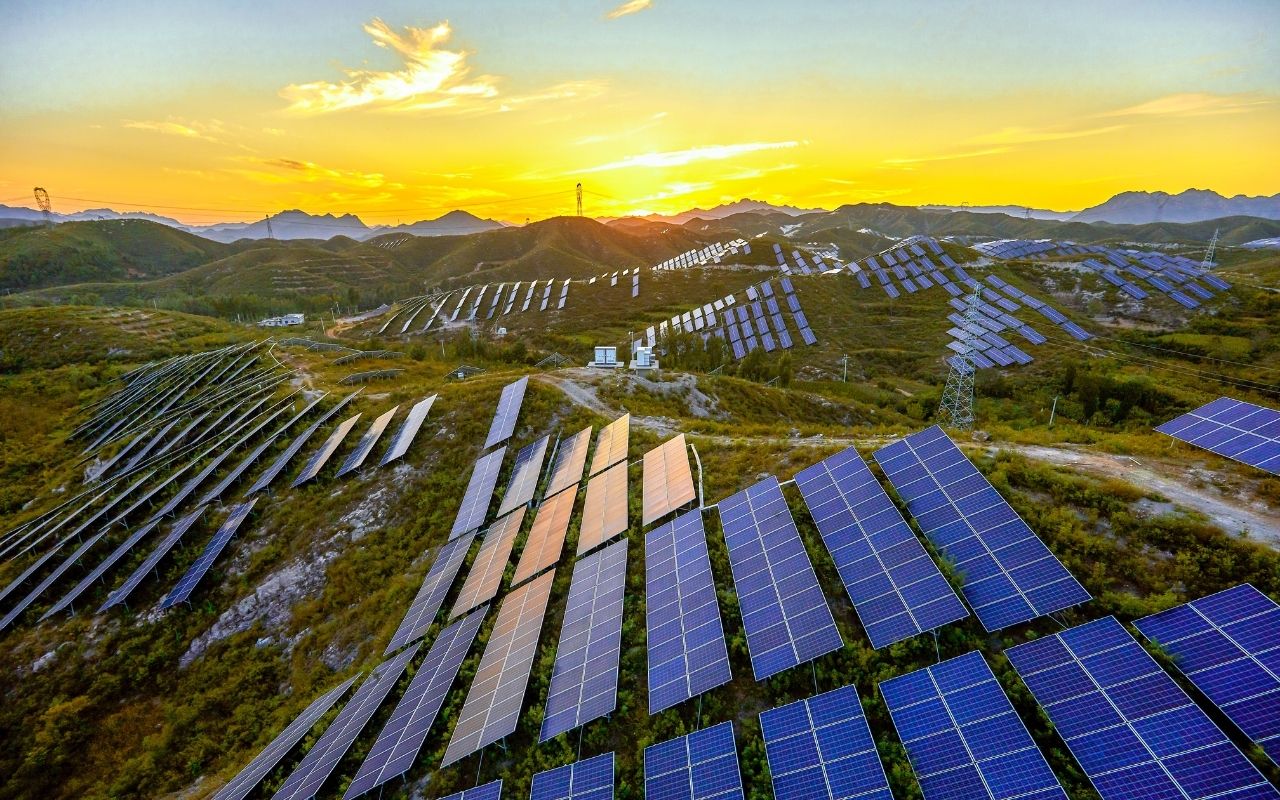
The project in Arinaga includes photovoltaic canopies with storage, promoting the use of renewable and sustainable energies to reduce the ecological footprint and boost energy innovation in Gran Canaria. The Gran Canaria Island Council has announced the call for tenders for a landmark project for the island’s energy transition, with an investment of 8.6 million euros allocated to the installation of photovoltaic canopies with storage in the Arinaga Industrial Estate. Partially financed by European NextGenerationEU funds (more than 4.5 million), this project is part of the Island Council’s commitment to sustainability, renewable energy, and the development of the energy community in Gran Canaria. Collaborative Initiative The initiative is being carried out in collaboration with the Agüimes Town Council and the Arinaga Energy Community, a non-profit cooperative that brings together 30 companies. The plan includes the installation of 2,244 bifacial modules that will generate approximately 1.48 MWp, along with four energy storage systems with a total capacity of 12 MWh, guaranteeing a stable supply and promoting collective self-consumption.

Read more
Croatia’s Pag Island to Produce Green Hydrogen Using Wave Energy
Energy & TransportMay 13, 2025

Croatia’s Pag Island to Produce Green Hydrogen Using Wave Energy

The island town of Novalja could become one of the first in Croatia to begin the production of green hydrogen, and a rare example in the region. Moreover, the local authority would utilize innovative technology. Croatia adopted its national strategy for hydrogen until 2050 in March 2022. The first hydrogen production facility could be installed in Križevci, according to a report from last year.

Read more
Canary Islands government approves geothermal exploration drilling in Tenerife
Energy & TransportMay 6, 2025

Canary Islands government approves geothermal exploration drilling in Tenerife

The Governing Council of the Canary Islands has approved the start of geothermal resource exploration surveys on the island of Tenerife, particularly for a number of sites that were tendered back in 2021. The main goal for this project would be to assess geothermal potential for the sites, located in the southern part of Tenerife, through exploratory drilling, and thus assessing the feasibility of geothermal electricity generation. The “TF-Sur Soundings” project will involve four mining grids assigned in the tender. The Tahatan and Tikahit sites have been assigned to commercial entity Energia Geotermica de Canarias, while two sites in Barranco Hondo will be managed by the Technological Institute and Renewable Energies (Instituto Tecnológico y Energías Renovables / ITER). The licenses were awarded to these two companies back in 2024. Salient to the approval is the decision to exclude the “TF-Sur Soundings” project from the simplified environmental impact assessment procedure. This was done to comply with European regulations that establish a timeframe to accelerate the deployment of renewable energy in Europe. None of the surveys planned are located within natural areas belonging to the Canary Islands Network of Protected Natural Areas or the Natura 2000 Network, which justifies the decision.

Read more
Saint Kitts and Nevis Poised to Become Regional Leader in Sustainable Energy with $36 Million Geothermal Investment
Energy & TransportMay 1, 2025

Saint Kitts and Nevis Poised to Become Regional Leader in Sustainable Energy with $36 Million Geothermal Investment

St. Kitts and Nevis (WINN)—In a recent interview with Island Innovation, Hon. Konris Maynard, Minister of Public Infrastructure, Energy, Utilities, Domestic Transport, ICT, and Post, underlined the pivotal role energy plays in the Federation’s bold push toward sustainability. With abundant geothermal, solar, wind, and ocean resources, the twin-island nation stands at the cusp of dramatically reducing electricity costs, attracting new industries, and creating meaningful jobs. “A nexus which we believe in and which is a statement that I have made everywhere I can is that if we solve energy, we solve water. If we solve water, we solve food. Expanding further, if we solve energy, we solve industry. And if we solve industry, we solve salaries,” Minister Maynard asserted, highlighting energy as the linchpin in uniting other critical sustainability areas within the Federation.

Read more
Hon. Albert Bryan Jr., Governor, U.S. Virgin Islands, to Speak at Sustainability Summit in St. Kitts and Nevis
Energy & TransportMay 1, 2025

Hon. Albert Bryan Jr., Governor, U.S. Virgin Islands, to Speak at Sustainability Summit in St. Kitts and Nevis

With less than two months left before the start of the 2025 Global Sustainable Islands Summit co-hosted by Island Innovation and the Government of St Kitts and Nevis, preparations are well underway across the Twin Islands. The summit includes specialized Forums aimed at empowering island communities and highlighting local projects having a global impact: the Island Youth Forum (May 25-26, St Kitts), Geothermal Energy Forum (May 26, Nevis), and the 1st Forum on Access to Climate Finance for Sub-National Island Jurisdictions (May 30, Nevis).

Read more
Madagascar’s ‘Solar mamas’ are Lighting the Way
Energy & TransportApril 22, 2025

Madagascar’s ‘Solar mamas’ are Lighting the Way

In the heart of Madagascar’s Menabe region — a biodiversity hotspot renowned for its sprawling mangroves, rare dry forests, and endemic species — a quiet revolution is unfolding. Here, in the village of Ambakivao, four women are tackling two of the region’s most pressing challenges: energy access and environmental degradation. Known locally as the “solar grandmothers,” Remeza, Kingeline, Yollande, and Hanitra are bringing light to their community, one solar lamp at a time, while also protecting Madagascar’s fragile ecosystems. Like much of rural Madagascar, where less than 15% of households have access to electricity, Ambakivao has long relied on petroleum lamps to illuminate its homes after dark. These dim, smoky lamps come with a steep cost: respiratory illnesses, fire hazards, and a dependence on expensive, imported fuel. Here, as in so many villages across the country, darkness limits opportunity. “We had always used petroleum-filled lamps, producing smokes that made our children ill and polluted the air,” Hanitra told WWF. Today, however, solar lamps are brightening their homes, enabling children to study at night and families to work together in the evening. The transformation has been profound. “With this solar technology, humans are feeling good, and nature also. It doesn’t smoke and doesn’t smell bad,” Hanitra said.

Read more