Content Library

News

Curated stories and analysis from islands and sustainability leaders worldwide.

Showing 9 of 235 news items in Ocean & Biodiversity
Caribbean islands seek $200 million for regional biodiversity push
Ocean & BiodiversityMarch 18, 2026

Caribbean islands seek $200 million for regional biodiversity push

Excerpt from reuters.com A group of ​Caribbean countries plan to raise $200 million for a joint bid to boost biodiversity, in a ‌push for more influence on internationally financed environment projects to maximise their impact, Grenada's climate ambassador has told Reuters. The 30X30 initiative by the Organisation of Eastern Caribbean States (OECS) and its 12 members is part of a broader global drive ​towards targets, agreed in 2022, that include protecting 30% of the world's land and sea ​by 2030.

Read more
Massive win for moana as Taranaki seabed mining application rejected
Ocean & BiodiversityMarch 2, 2026

Massive win for moana as Taranaki seabed mining application rejected

Excerpt from greenpeace.org Greenpeace along with iwi and environmental groups are calling the decision to reject Trans Tasman Resources proposal to mine the Taranaki seafloor “a massive win for people power and the ocean”. In a draft decision, released today, the Fast Track expert panel declined the Australian company’s application to mine the seabed in the South Taranaki Bight. The panel declined consent for the project, finding it would likely cause material harm to marine ecosystems, threatened species like pygmy blue whales and penguins, and concluded it could not be safely managed, even with conditions attached. Greenpeace Aotearoa seabed mining spokesperson Juressa Lee says: “This is the outcome we have been fighting for over 12 years. It shows exactly what happens when communities, iwi, experts and ocean protectors stand together.

Read more
Azores dodges proposal to overturn no-fishing zones in its giant new MPA network
Ocean & BiodiversityMarch 2, 2026

Azores dodges proposal to overturn no-fishing zones in its giant new MPA network

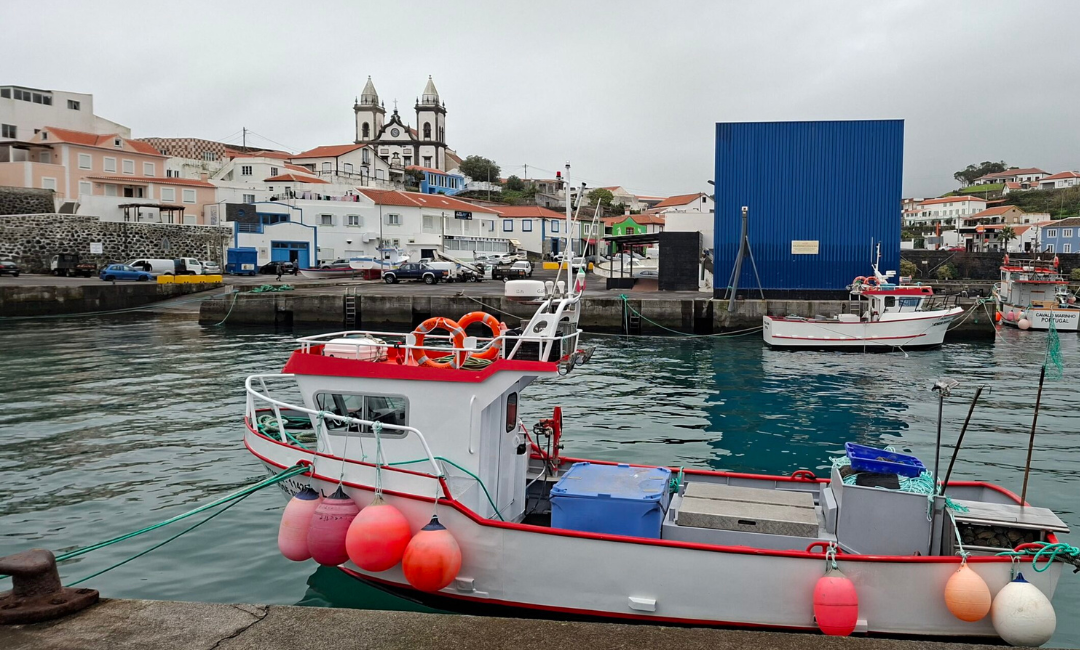
Excerpt from news.mongabay.com SÃO MATEUS, Portugal — Winter forced Emanuel Alves to remove his boat from the water at the port of São Mateus in the Azores, the Portuguese archipelago in the North Atlantic Ocean. The 64-year-old fisher expressed concern about the giant network of marine protected areas that permeates the archipelago. “Where are we going to fish now?” he asked. The law establishing the Azores Marine Protected Areas Network was approved in October 2024 and took effect just recently, on Jan. 1 this year. The network now safeguards 30% of Azorean waters, 287,000 square kilometers (110,800 square miles) of seascape sheltering a rich array of marine life. Not two weeks later, on Jan. 15, the Azores Parliament voted to uphold a core provision of the MPA network, after it came under fire in recent months: No fishing inside the fully protected areas, which constitute half the vast network.

Read more
Green tribunal rules in favour of Great Nicobar Island project, citing ‘adequate safeguards’
Ocean & BiodiversityFebruary 25, 2026

Green tribunal rules in favour of Great Nicobar Island project, citing ‘adequate safeguards’

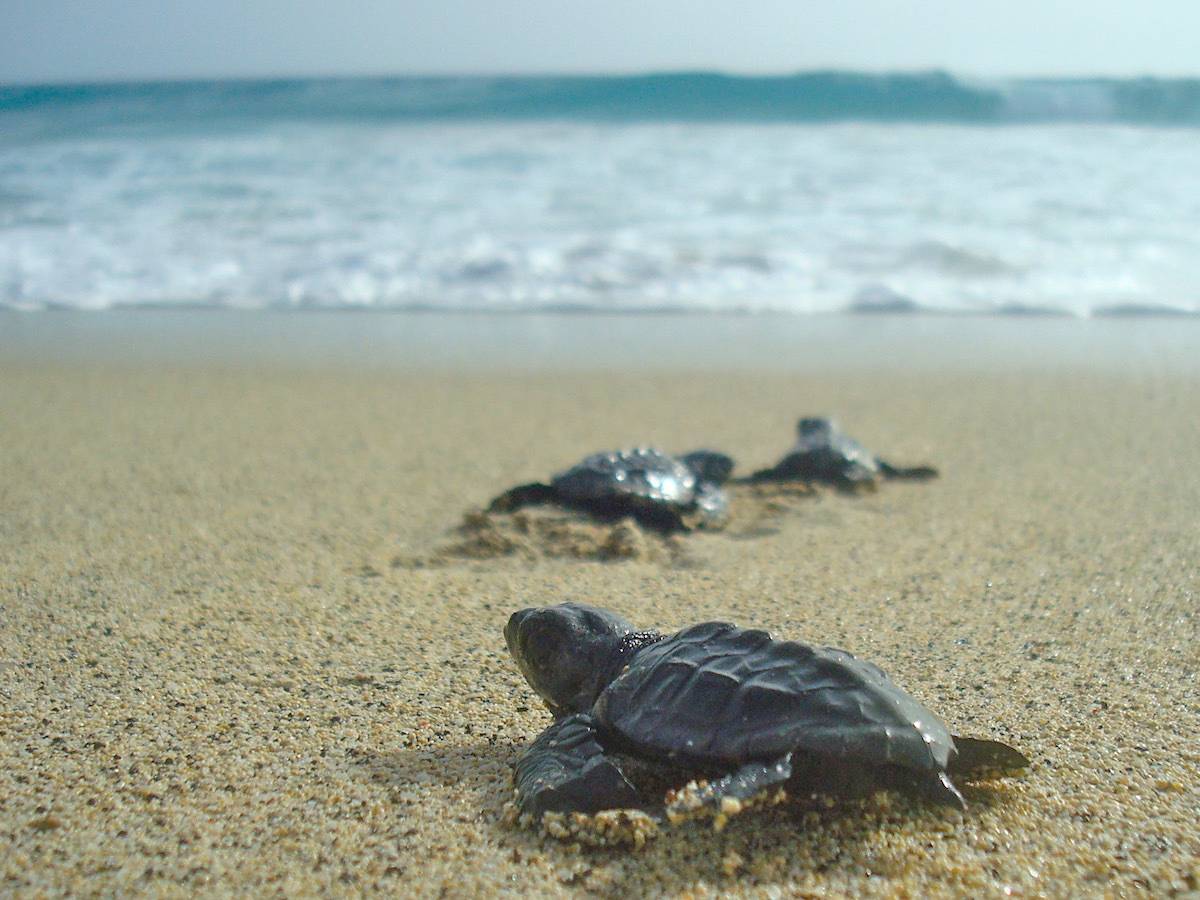
Excerpt from india.mongabay.com The National Green Tribunal (NGT) has refused to interfere with the environmental clearance for the Great Nicobar Island project, concluding that “adequate safeguards have been provided” for gaps in the clearance process. The order follows a lengthy court battle challenging the project’s compliance with coastal regulations, which prohibit the development of large projects in sensitive coastal areas. The NGT pronounced its order on February 16, after reserving its judgement for several months. The development of Great Nicobar Island has drawn sharp criticism from environmentalists, sociologists, and members of the Opposition for the destruction it will cause on the island, which is part of the Andaman and Nicobar Islands. The ₹81,000 crore (₹810 billion) project includes building an international container trans-shipment port on a leatherback turtle nesting site, as well as an airport, gas and solar power plant, and township which will lead to the felling of a million trees. The government argues that the project will help India take advantage of trade routes along the Malacca strait, which would “counter the pressure being built by foreign powers’ growing presence.” In its order, the NGT said that “considering the strategic important of the Project [sic],” it found no “good ground” to interfere with the project’s environmental clearance, which was granted in 2022. Jairam Ramesh, former environment Minister and a vocal critic of the project, called the outcome “deeply disappointing,” in a post on X. “There is clear evidence that the project will have disastrous ecological impacts. The conditions for its clearance, that the NGT draws reference to, will do little to deal with these long-term consequences.”

Read more
More than 5 years after Wakashio oil spill, questions linger in Mauritius
Ocean & BiodiversityFebruary 18, 2026

More than 5 years after Wakashio oil spill, questions linger in Mauritius

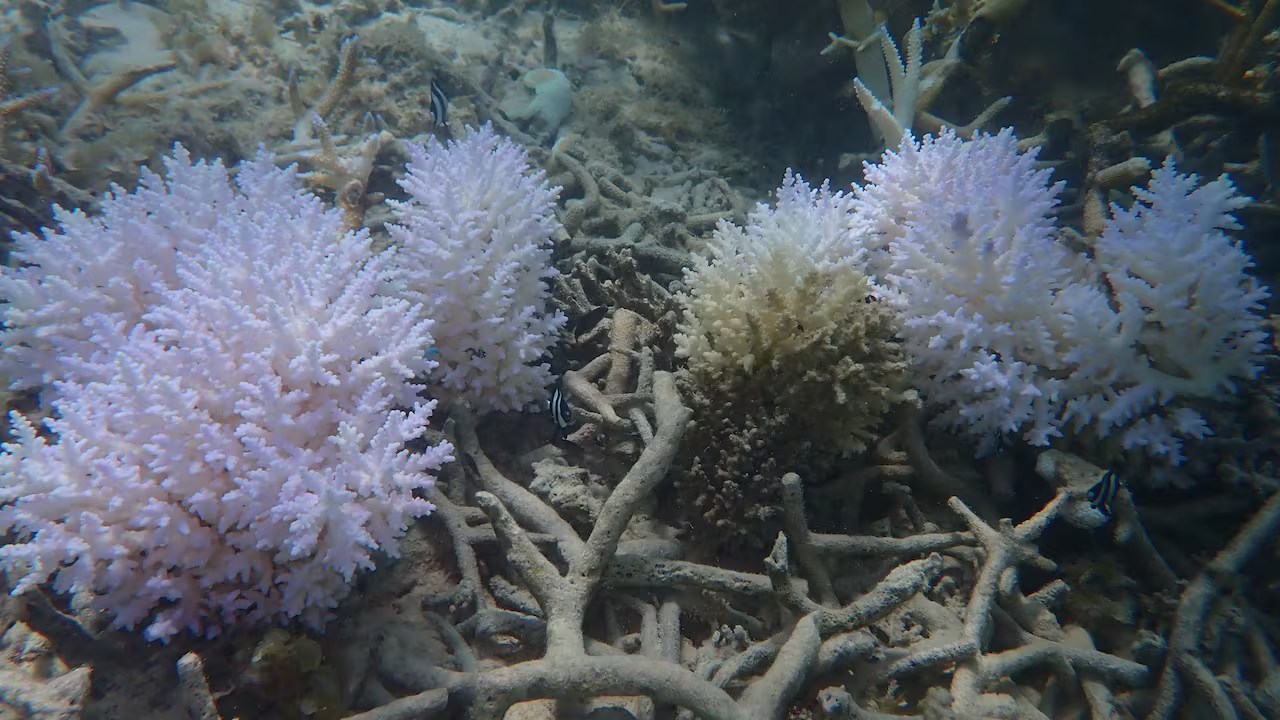
Excerpt from news.mongabay.com In August 2020, Vikash Tatayah at the Mauritian Wildlife Foundation made a phone call he never expected to make. He had “an unusual request,” he recounts telling friends in the U.K. who owned a private jet: A bunch of geckos needed to be evacuated. Mauritius had just entered COVID-19 lockdown, its airspace was closed, so it would have to be a special flight. Amid the chaos of the pandemic, the island nation had been hit by one of the worst environmental disasters in its history. On July 25, the MV Wakashio crashed onto coral reefs off Mauritius’ southeastern coast, later spilling around 1,000 metric tons of oil.

Read more
Guam calls for moratorium on seabed mining, sees growing opposition against seabed raid
Ocean & BiodiversityFebruary 18, 2026

Guam calls for moratorium on seabed mining, sees growing opposition against seabed raid

Excerpt from pacificislandtimes.com Any adverse impacts from leasing the Northern Mariana Islands' outer continental shelf for seabed mining will likely affect a wider area, including Guam, according to the Bureau of Statistics and Plans. Lola Leon Guerrero, the bureau's director, noted that the proposed mining site, as outlined by the Department of the Interior’s Bureau of Ocean Energy Management, is only about 128 nautical miles from Guam, near enough so that any negative impacts will likely disturb the territory. “Such an impact could pose a significant threat to the biodiversity of the Mariana Trench and the surrounding seamounts, which are globally recognized hotspots, and could consequently compromise the ecosystem function within Guam's exclusive economic zone,” Leon Guerrero said in her written testimony read by Edwin Reyes, BSP administrator, at a public hearing on Wednesday.

Read more
Guam Governor would support ban on deep-sea mining in Guam waters, headed to DC to lobby issue
Ocean & BiodiversityFebruary 11, 2026

Guam Governor would support ban on deep-sea mining in Guam waters, headed to DC to lobby issue

Excerpt from guampdn.com Gov. Lou Leon Guerrero on Thursday said she would support a ban on deep-sea mining in Guam waters, as she plans a visit to Washington, D.C. to oppose the harvesting of minerals from the region’s seafloor. “Of course I would support that,” Leon Guerrero said of a proposed mining ban in Guam waters. “I don’t know what weight that’s going to hold, because they can just come in and do it.” Sen. Therese Terlaje and five other members of the Guam Legislature have introduced a bill to ban mining in Guam’s nearshore waters and restrict the use of island ports for mining activity. The ban would only cover waters extending about 3 nautical miles out from Guam’s coast, but is meant to hamper the use of the island to support deep-sea mining in waters claimed by the federal government.

Read more
Japan’s unprecedented project could test the limits of deep-sea mining
Ocean & BiodiversityFebruary 11, 2026

Japan’s unprecedented project could test the limits of deep-sea mining

Excerpt from grist.org The year 2010 was a reckoning for Japan’s economic security. On September 7, the Chinese fishing trawler Minjinyu 5179 refused an order by Japan’s coast guard to leave disputed waters near the Senkaku Islands, which are known in China as Diaoyu. The vessel then rammed two patrol boats, escalating a decades-long territorial feud.

Read more
Brazil's most mysterious oceanic island recovers part of its forest after eliminating goats
Ocean & BiodiversityFebruary 4, 2026

Brazil's most mysterious oceanic island recovers part of its forest after eliminating goats

Excerpt from oglobo.globo.com Photo credit: Élcio Braga via OGlobo.Globo.com The Brazilian island that holds the most mysteries per square kilometer is becoming greener. For centuries, Trindade — 1,180 kilometers off the coast of Espírito Santo — began to be devastated by a herd of hungry goats, transforming it almost into a desert bathed by the South Atlantic. A study conducted by researchers from the National Museum, with support from the Navy, shows that this scenario has been changing over the last 30 years. A forest is resurging — and, even better, with native species. The green area increased by 1,468%, equivalent to 65 hectares. Meanwhile, the undergrowth expanded by 325 hectares, an increase of 319%.

Read more