VIS 2026VIS 2026 — Virtual Island Summit|Also: GSIS 2027GSIS 2027
Island Innovation Logo
About
Services
The Network
Events
Content Library
Contact Us

Subscribe to our newsletter. By submitting, you agree to our Privacy Policy.

Island Innovation

Island Innovation works with governments, institutions, and partners worldwide to support island-led sustainable economic development.

We Support The UN Development Goals

SDG 9: Industry, Innovation and Infrastructure
SDG 11: Sustainable Cities and Communities
SDG 12: Responsible Consumption and Production
SDG 13: Climate Action
SDG 14: Life Below Water
SDG 17: Partnerships for the Goals

Explore

AboutServicesNetworkEvents

Content

ArticlesNewsCareers

Ready to Connect?

Join the island innovation community

Get in Touch

About

  • About us
  • Case Studies
  • FAQs
  • Press
  • Careers
  • Contact

Services

  • Services Overview
  • Public & Media Relations
  • Strategic Communications

Network

  • The Island Network
  • Academic Council
  • Newsletter

Events

  • Our Events
  • Watch Past Events

Content

  • All Content Library
  • Videos
  • Articles
  • News
Privacy PolicyTerms of ServiceContact

© 2025 Island Innovation. All rights reserved.

    News

    Curated stories and analysis from islands and sustainability leaders worldwide.

    Filter by Core Theme

    All ThemesCircular EconomyClimate ActionConnectivity & DigitizationCulture & CommunityEnergy & TransportGreen Finance & EconomyOcean & BiodiversityPolicy & GovernanceTourism & Remote WorkWater & Food
    Showing 9 of 97 news items in Tourism & Remote Work
    Cattle dung keeps winter tourism alive on Luing
    Tourism & Remote WorkJanuary 25, 2026

    Cattle dung keeps winter tourism alive on Luing

    Excerpt from westcoasttoday.co.uk Photo credit: Fieldsports via westcoasttoday.co.uk Pasture grazed by the distinctive Luing cattle attracts large numbers of woodcock and snipe each winter and with the island seldom freezing because of the warm Gulfstream currents that flow past it, cowpats break down and become rich feeding grounds for worms and insects, drawing in migrating birds from across Europe. The story of how traditional island farming, wildlife and rural tourism can work hand in hand is being told in a new film made for Fieldsports TV channel (www.fieldsportschannel.tv/) showing how something as ordinary as cattle dung can underpin wildlife, attract winter visitors and help sustain families on one of Scotland’s Atlantic islands. Each winter, the Hebrides become a refuge for Britain’s migratory woodcock and snipe population, with birds pushed west by colder conditions on the continent. On Luing, those birds concentrate on cattle-grazed land, where marks where they have dug into in the dung show just how intensively they are feeding. Because of the birds’ hunger for insects in the dung the island’s farming family, the Cadzows, offer walked-up snipe and woodcock shooting during the quieter winter months — bringing visitors and income at a time when tourism would otherwise slow dramatically. Luing gamekeeper Darren Smith, who manages shooting on the island, says: "You start to see a lot of snipe here. The birds are feeding hard, and the ground really works for them.” The additional winter income has helped the farm invest in self-catering accommodation, including luxury holiday cabins, which are let to shooters in winter and holidaymakers in summer.

    12345678910
    Read more
    How Climate Recovery Is Creating New Paths To Work Across Caribbean Tourism
    Tourism & Remote WorkJanuary 16, 2026

    How Climate Recovery Is Creating New Paths To Work Across Caribbean Tourism

    Excerpt and Photo Credit: forbes.com On Virgin Gorda recovery doesn’t announce itself. It unfurls quietly in the return of sailboats cutting across the harbor, in beach bars reopening without fanfare, and in workers who never fully left even when the island was stripped down to essentials. Years after Hurricanes Irma and Maria devastated much of the British Virgin Islands’ tourism infrastructure, Virgin Gorda has emerged as a case study on how to rebuild an economy without hastening the process. The island didn’t just reopen. It recalibrated—quietly, deliberately—around the people whose livelihoods depend on tourism continuing to work.

    Read more
    Island Games boosted Orkney's economy by £4m
    Tourism & Remote WorkJanuary 7, 2026

    Island Games boosted Orkney's economy by £4m

    Excerpt and Photo Credit: bbc.com The 20th International Island Games held in Orkney this summer boosted the local economy by £4m, a report has confirmed. The event, held over six days in July, cost £3.6m to stage and involved 1,630 athletes from 24 island communities. They competed in 12 sports. It was the largest event ever hosted by the Orkney community of 22,000 people and involved 1,027 local volunteers. Orkney made history as the smallest island to have hosted the Games, welcoming a record number of visitors for a single event - a total attendance of at least 63,336.

    Read more
    Tourism, politics, and why every resident should pay attention
    Tourism & Remote WorkMay 7, 2026

    Tourism, politics, and why every resident should pay attention

    Excerpt from guampdn.com Tourism is often described as a private sector industry driven by hotels, airlines, tour operators, and restaurants. While that is certainly true, it is only part of the story. The reality is that tourism does not exist in isolation. Tourism thrives or struggles depending on the political environment surrounding it. For Guam, this relationship between tourism and politics is especially important. Tourism has long been one of Guam’s primary economic engines. Thousands of residents depend on the industry for employment, and many local businesses rely on visitor spending to survive. Tourism also generates tax revenue that helps fund public services such as education, public safety, health care, and infrastructure improvements, benefiting the entire community. In short, tourism supports far more than hotels and restaurants. It supports livelihoods, small businesses, government services, and the island’s economic stability.

    Read more
    The Galapagos Paradox
    Tourism & Remote WorkMay 7, 2026

    The Galapagos Paradox

    Excerpt from bluedotliving.com The archipelago’s unique, seemingly pristine environment is what attracts visitors, but their very presence threatens to harm it. One writer set out to discover how the islands are balancing conservation and tourism. As my plane descended over the Galapagos Islands and its intense blue waters, a flight attendant sprayed the overhead baggage compartments with insecticide. When I landed, I stepped onto an astroturf carpet saturated with pesticide to kill off any foreign organisms on the soles of my shoes. I’ve traveled all over the world, but I’d never seen anything like this. It was an introduction to the many ways the stewards of these islands protect them, and my first clue to how precious the wonders for which they do it really are.

    Read more
    15 Years Into the Boom, Iceland Asks if It’s Had Enough of Mass Tourism
    Tourism & Remote WorkSeptember 30, 2025

    15 Years Into the Boom, Iceland Asks if It’s Had Enough of Mass Tourism

    Photo credit: Alldor Kolbeins / Agence France-Presse — Getty Images via NYTimes.com Excerpt from nytimes.com “Sometimes it can feel like Iceland is just one big tourist attraction.” Helga Gudrun, a waiter at a family-owned restaurant in Vik, a scenic village in South Iceland, had just placed a bowl of warm Icelandic lamb soup on the table. Home from college to work the summer season, she was reflecting on the ways tourism had changed the place where she grew up. Visitors had spurred job growth and helped revitalize the area, but not all tourists follow the rules, Ms. Gudrun said. Farmers have complained about tourists parking on their land and feeding horses without permission. “One horse even died,” she said. And in July, a local paper reported that Vik’s septic system had been overwhelmed by the “sheer number of tourists.” It hadn’t always been this way. In fact, one event in particular had set it all off. “I remember the summer everything just — changed,” she said.

    Read more
    ‘Plastic holidays on mystic island’: Siquijor’s journey to be the Philippines’ first zero waste destination
    Tourism & Remote WorkSeptember 30, 2025

    ‘Plastic holidays on mystic island’: Siquijor’s journey to be the Philippines’ first zero waste destination

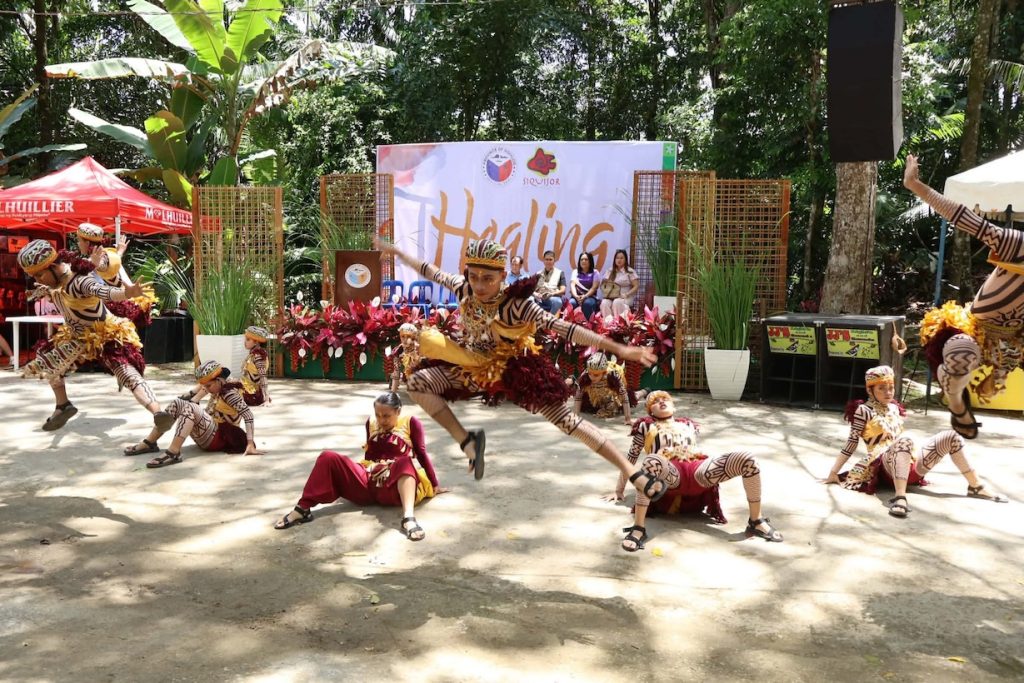
    Excerpt from eco-business.com The island in the Central Visayas region shows that zero waste strategies can work, but experts warn its success won’t last without caps on plastic production. Some 900 kilometres south of Metro Manila in the Philippines’ Central Visayas region lies the small beach destination of Siquijor, the country’s “mystic island” – a moniker born out of the charm of the destination’s white sand beaches, cascading waterfalls and centuries-old traditions of folk healing and witchcraft.

    Read more
    St Helena got an airport: Where to now for one of Earth’s remotest places?
    Tourism & Remote WorkSeptember 30, 2025

    St Helena got an airport: Where to now for one of Earth’s remotest places?

    Excerpt from goodtourismblog.com It’s not news, but it will be news to many. The remote island of St Helena and its tiny population got a USD 380 million airport. That was shortly before the global COVID shutdowns. While St Helena Airport (HLE) has yet to deliver on its tourism and economic development potential, Marcella Mittens and many other ‘Saints’ remain hopeful.

    Read more
    Instagram vs reality: Bali is becoming a victim of its own success
    Tourism & Remote WorkSeptember 30, 2025

    Instagram vs reality: Bali is becoming a victim of its own success

    Photo credit: Getty Images via BBC.com Excerpt from bbc.com Bali, Indonesia's famed tropical paradise, has charmed plenty of tourists over the years. But it's also leaving a growing number disillusioned - recently among them Zoe Rae. "Since landing in Bali, something for us has just not felt quite right," she said in a YouTube video in July, filmed in her hotel room. "We came to Bali with high expectations because we'd seen on social media everyone having such a lovely time." She added: "If you took a picture of the coffee shop and zoomed out, you would see what the reality was." Ms Rae did not describe the reality she saw - nor reply to the BBC's questions. But it was unsettling enough to make her book an impromptu flight to Dubai to continue celebrating her wedding anniversary there instead.

    Read more