VIS 2026VIS 2026 — Virtual Island Summit|Also: GSIS 2027GSIS 2027
Island Innovation Logo
About
Services
The Network
Events
Content Library
Contact Us

News

Curated stories and analysis from islands and sustainability leaders worldwide.
Loading news...

Subscribe to our newsletter. By submitting, you agree to our Privacy Policy.

Island Innovation

Island Innovation works with governments, institutions, and partners worldwide to support island-led sustainable economic development.

We Support The UN Development Goals

SDG 9: Industry, Innovation and Infrastructure
SDG 11: Sustainable Cities and Communities
SDG 12: Responsible Consumption and Production
SDG 13: Climate Action
SDG 14: Life Below Water
SDG 17: Partnerships for the Goals

Explore

AboutServicesNetworkEvents

Content

ArticlesNewsCareers

Ready to Connect?

Join the island innovation community

Get in Touch

About

  • About us
  • Case Studies
  • FAQs
  • Press
  • Careers
  • Contact

Services

  • Services Overview
  • Public & Media Relations
  • Strategic Communications

Network

  • The Island Network
  • Academic Council
  • Newsletter

Events

  • Our Events
  • Watch Past Events

Content

  • All Content Library
  • Videos
  • Articles
  • News
Privacy PolicyTerms of ServiceContactManage email preferences

© 2025 Island Innovation. All rights reserved.

    Filter by Core Theme

    All ThemesCircular EconomyClimate ActionConnectivity & DigitizationCulture & CommunityEnergy & TransportGreen Finance & EconomyOcean & BiodiversityPolicy & GovernanceTourism & Remote WorkWater & Food
    Showing 9 of 96 news items in Water & Food
    No rivers, no lakes: Discover how Bermuda built a 400-year-old water system that still functions
    Water & FoodMarch 25, 2026

    No rivers, no lakes: Discover how Bermuda built a 400-year-old water system that still functions

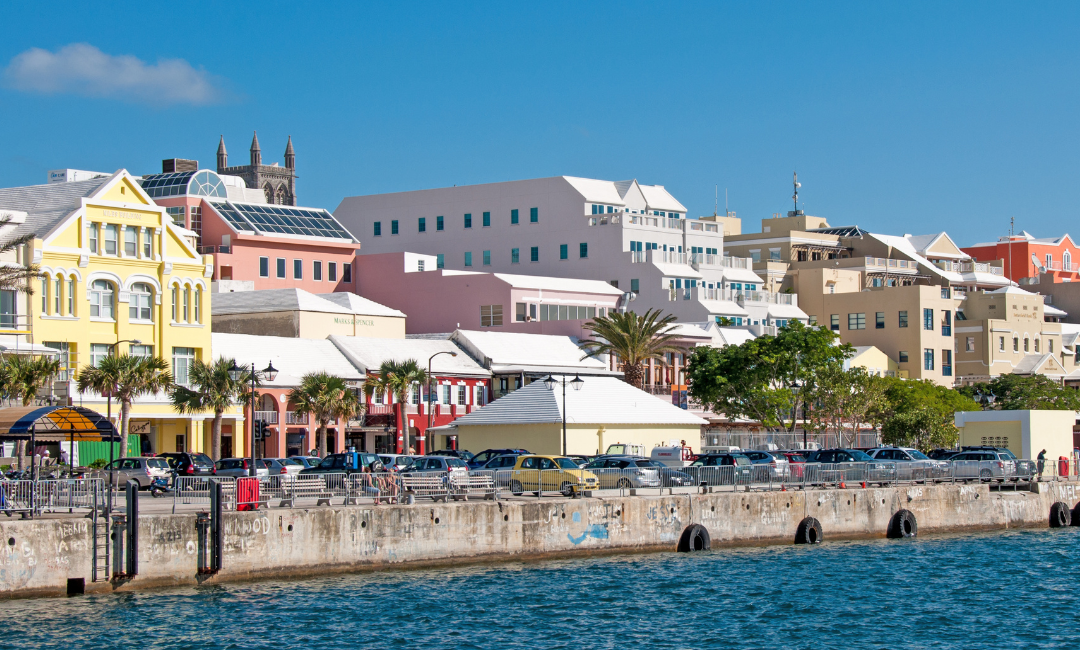
    Excerpt from timesofindia.indiatimes.com Bermuda is an island in the middle of the North Atlantic Ocean, and it has no rivers, no lakes, and no natural springs of fresh water. For more than 400 years, the islanders have been relying on a brilliant but simple idea: Every roof is a collector of drinking water. The island’s famous white, stepped roofs are not just a picturesque postcard image; they are a rainwater–harvesting system that has quietly and successfully served the islanders through storms, droughts, and centuries of change. Modern research in the Journal of the American Water Resources Association (JAWRA) still points to Bermuda as a living example of how traditional design. The system is resilient and sustainable.

    Read more
    12345678910
    Fukushima town launches rice-based carbon credit project under Japan’s J-Credit scheme
    Water & FoodMarch 25, 2026

    Fukushima town launches rice-based carbon credit project under Japan’s J-Credit scheme

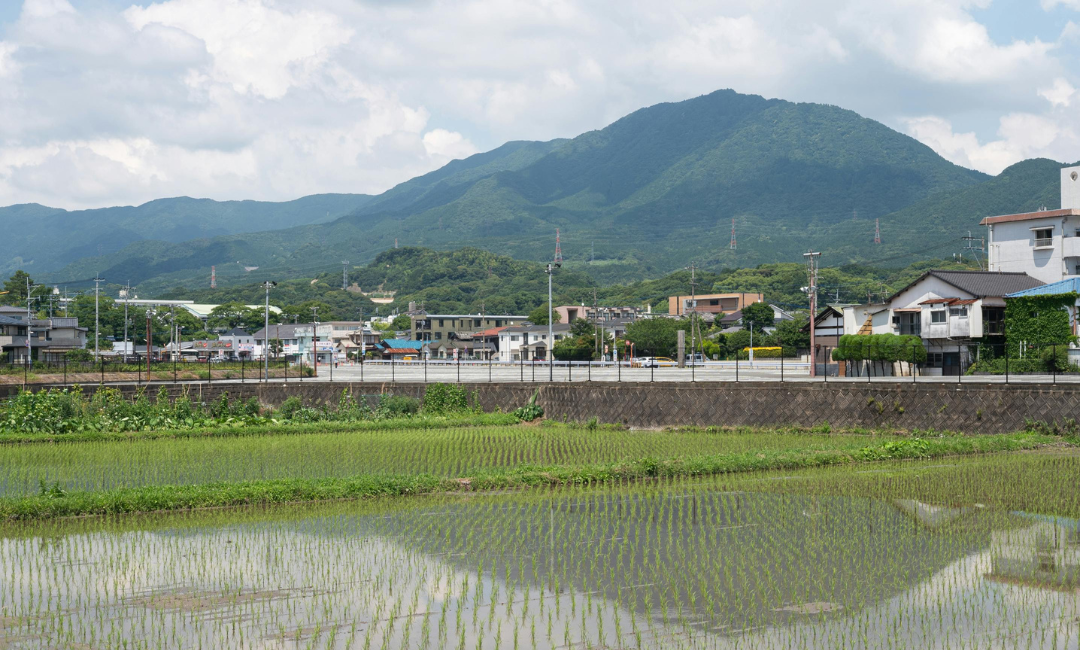
    Excerpt from eco-business.com Japanese agricultural decarbonisation firm Faeger said it will partner with the town of Hirono in Fukushima Prefecture to generate carbon credits from rice cultivation and develop a premium rice brand produced using climate-friendly farming methods. The agreement aims to cut agricultural greenhouse gas emissions while boosting crop quality and farmers’ incomes, the Tokyo-based company said in a statement last week. Under the partnership, farmers will extend the mid-season drainage period of paddy fields – a technique known to reduce methane emissions – and adopt other measures such as biochar use to generate government-certified J-Credits. Revenue from the credits will be reinvested in heat-resilience measures and improvements to the cultivation environment, the company said.

    Read more
    Jersey will protect over one-fifth of its waters from trawling
    Water & FoodMarch 19, 2026

    Jersey will protect over one-fifth of its waters from trawling

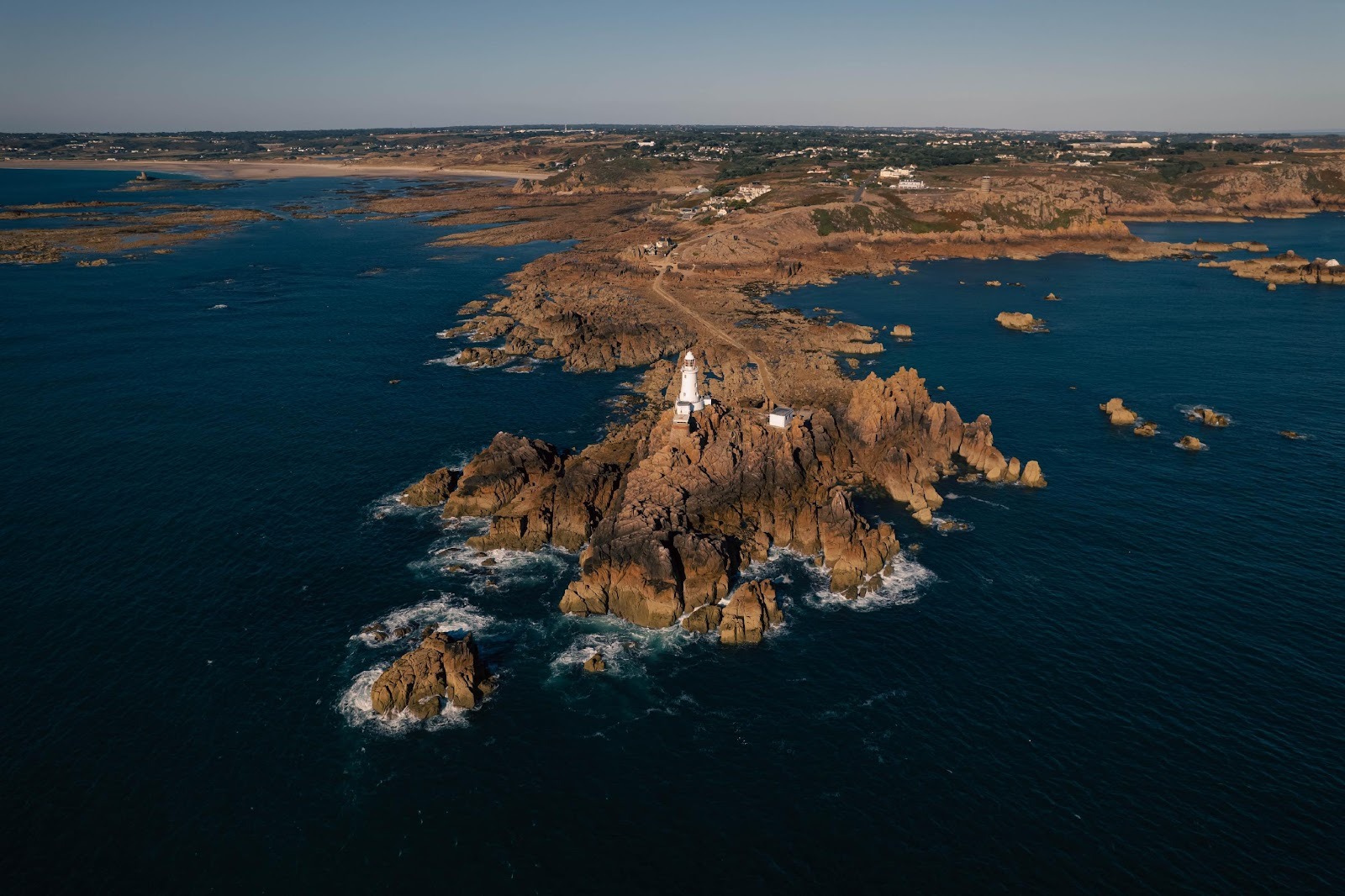
    Excerpt from oceanographicmagazine.com Jersey has approved one of the most ambitious marine protection plans in the British Isles, nearly quadrupling the area of its seas protected from damaging fishing practices and positioning the Island as a leader in ocean conservation across the region. The newly agreed Marine Protected Area (MPA) network will cover 21.7% of Jersey’s waters from 1 September this year, with a further 1.9% scheduled to come into force on 1 January 2030. The network safeguards a range of ecologically important habitats, including kelp forests, seagrass meadows, biodiverse reef systems, and fragile maerl beds – among the rarest and most sensitive marine habitats in the region.

    Read more
    Integrating nutrition into anticipatory action: lessons from the 2025 pilot projects in Madagascar and Mali
    Water & FoodMarch 11, 2026

    Integrating nutrition into anticipatory action: lessons from the 2025 pilot projects in Madagascar and Mali

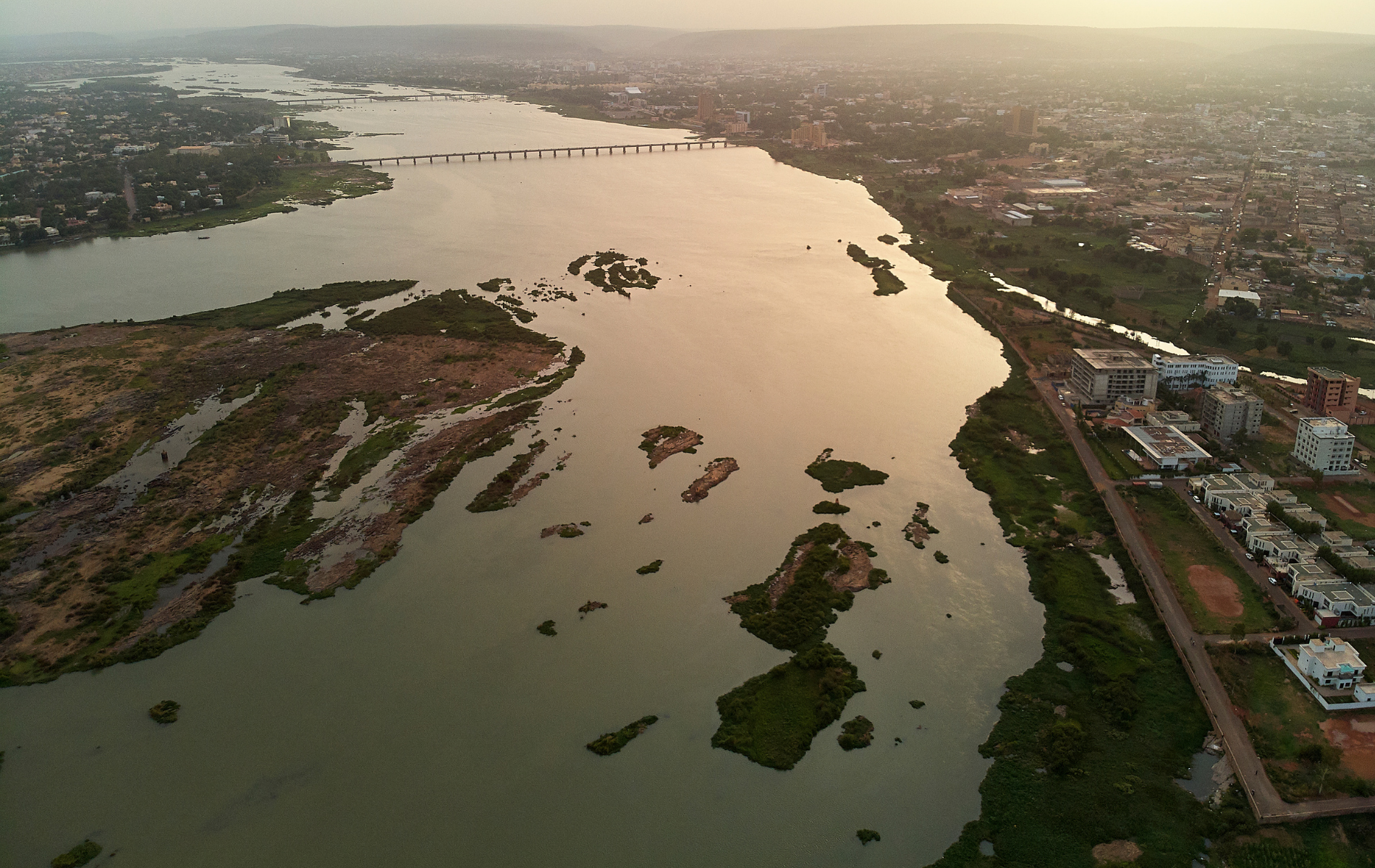
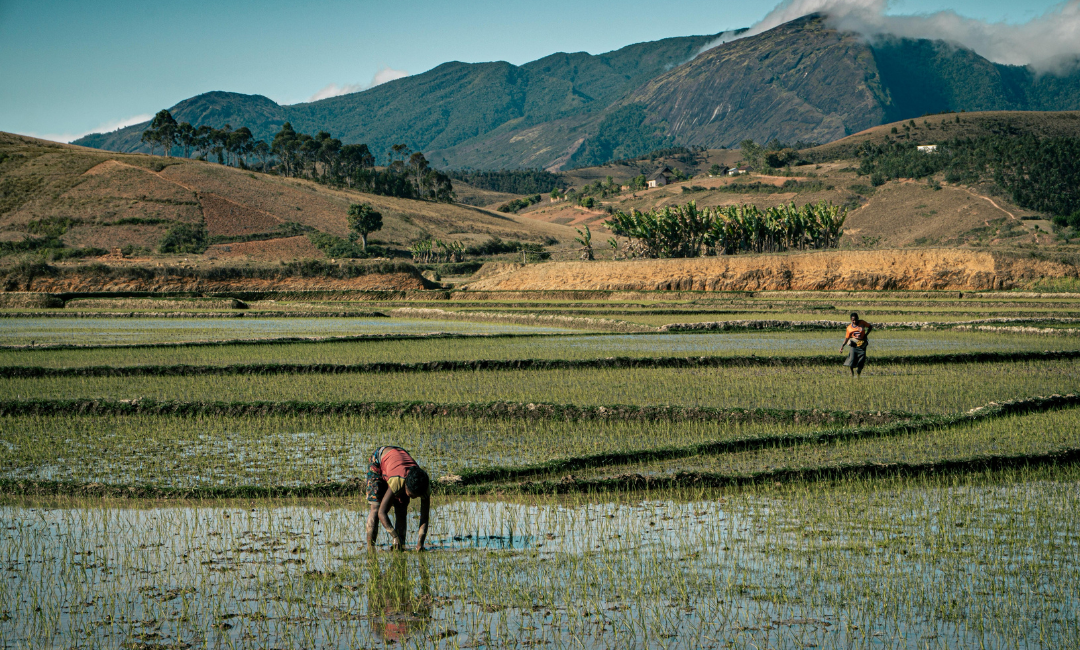
    Excerpt from preventionweb.net Action Against Hunger (Action Contre la Faim/ACF) has published its new methodology for integrating nutrition-based activities into anticipatory action frameworks and systems. Addressing a critical gap in anticipatory action Nutrition is largely absent from anticipatory action frameworks and systems, despite the fact that obvious and rapid nutritional impacts regularly follow climate shocks. Droughts, floods and cyclones can accelerate a deterioration in people’s nutritional status, particularly in areas that are already vulnerable. Many health systems and acute-malnutrition-management programmes only intervene in response to a crisis and are often insufficiently prepared to meet increased post-shock needs. A multi-level, community-based approach to nutrition The pilot projects aimed to address this critical gap. To document the impacts on communities’ nutrition status, and the needs and capacities on which the approach could be based, ACF applied an action research methodology at three levels: community, sub-national and national. Nearly 400 community members and local and national experts were interviewed across the two countries, using a survey specially created for this initiative. Through these interviews, ACF teams were able to draft initial recommendations and actions specific to integrating nutrition into anticipatory action frameworks and systems. These were then discussed, reinforced and validated by a panel of stakeholders, authorities and community representatives during capacity-building and exchange sessions.

    Read more
    Landmark project improved farmers’ livelihoods and protected forests in Madagascar, new report finds
    Water & FoodMarch 2, 2026

    Landmark project improved farmers’ livelihoods and protected forests in Madagascar, new report finds

    Excerpt from webwire.com Findings from the impact evaluation conducted by Conservation International, in partnership with the Green Climate Fund’s Independent Evaluation Unit, found clear evidence of higher crop yields and lower deforestation rates among farming communities participating in the USD 16 million “Sustainable Landscapes in Eastern Madagascar” project. The project supported more than 24,000 smallholder farming households in and around the Ankeniheny-Zahamena and the Ambositra-Vondrozo forest corridors with climate-smart agriculture techniques, distribution of seeds and equipment, forest patrols, agroforestry promotion and forest restoration.

    Read more
    DNA discovered in 2,000-year-old lentils could help save global food crops
    Water & FoodFebruary 25, 2026

    DNA discovered in 2,000-year-old lentils could help save global food crops

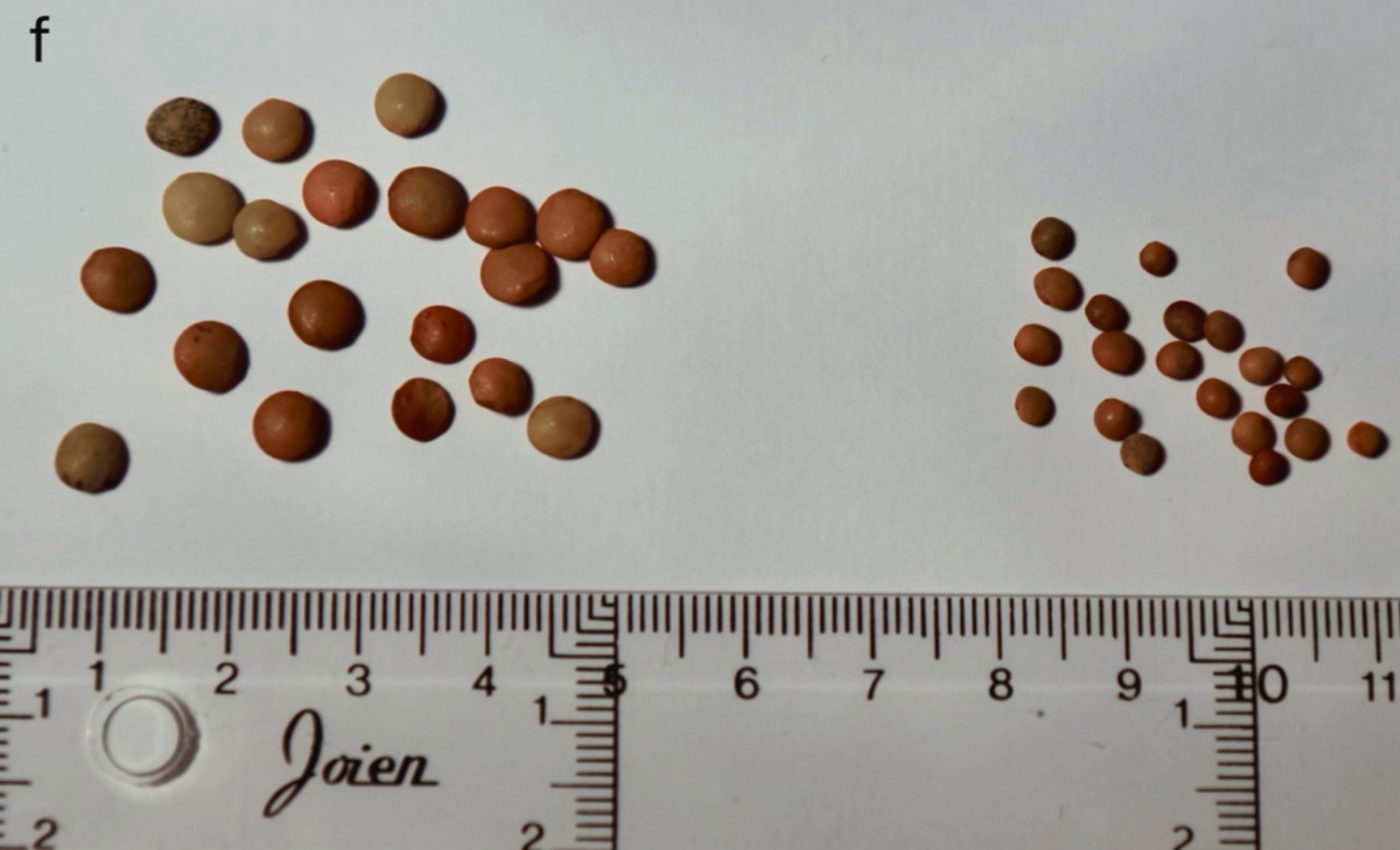
    Photo Credit and Excerpt from earth.com Lentils grown today on a small Atlantic archipelago off the northwest coast of Africa have preserved a continuous DNA lineage reaching back nearly 2,000 years to some of the region’s earliest farming communities. That continuity shows how food crops can quietly carry human history across conquest, migration, and climate pressure, while holding traits shaped by long exposure to heat and drought.

    Read more
    Hawaii Island Seed Bank helps build climate resilience
    Water & FoodMay 12, 2026

    Hawaii Island Seed Bank helps build climate resilience

    Excerpt Photo credit from hawaiitribune-herald.com There is an off-grid, solar-powered storage container just north of Kailua-Kona filled with millions of seeds. Containing mostly native plants and some food crops, the Hawaii Island Seed Bank was created to help preserve and protect the island’s native species. It is a mission that has only become more pressing over the years as the impacts of climate change are becoming increasingly felt across the state, especially in the form of more frequent and intense disasters. “If we have floods – which we do – if we have fires, if we have other Earth events, droughts – then we need to have backup,” said Jill Wagner, a Kona-based forestry specialist who runs the seed bank. “If we have a human-caused event, if something we do causes the destruction of native systems, it’s very important.”

    Read more
    Food security or risky investment? Palau’s livestock proposal faces scrutiny over evidence gaps
    Water & FoodMay 12, 2026

    Food security or risky investment? Palau’s livestock proposal faces scrutiny over evidence gaps

    Excerpt from islandtimes.org Last week, delegates passed a resolution urging President Whipps and the Agriculture, Fisheries, and Environment Ministry (MAFE) “to establish a cattle and livestock farm, primarily  cows and goats.” Citing shipment delays and rising food costs, House Joint Resolution No. 12-12-3S aims to bolster Palau’s food security. Within the committee report, delegates claim that “cattle raising was successful during the Japanese Administration and further believe that it can be more successful and sustainable now with modern technology, learned knowledge, vast experience, and best practices, techniques, and methods we have obtained.” The committee report also reports that following consultation with MAFE, the ministry recommended launching a pilot project for capacity building, local data collection, and expertise development to sustain the livestock sector. MAFE estimates start-up costs for a 30-cow cattle farm at $300,000–$450,000, and $47,000 for a smaller goat pilot farm. Similar ideas have surfaced before. During the Toribiong administration’s Green Revolution initiative, pig semen from Taiwan was brought to Palau to boost the pig population, alongside 120 live goats. Furthermore, in 2008, Japan’s Tomoe Dairy Processing Co. President Toshio Nagata donated 22 cattle to the Ngiwal Livestock Association.

    Read more
    Could This Fish Be a Notebook?
    Water & FoodMay 7, 2026

    Could This Fish Be a Notebook?

    Excerpt from reasonstobecheerful.world Forget AI — in Iceland, the truly exciting startups are working in fish. From medical bandages to sustainable furniture, the Icelandic fishing industry has learned to extract value from virtually every part of its catch, putting the country at the forefront of a global “blue economy.” It wasn’t always this way. A collapse in Iceland’s fisheries in the ’80s and ’90s forced the island nation to look beyond the fillet and find new uses for its top export, from scales to tails. Today, Iceland cod fishers use more than 90 percent of the fish they catch, compared to roughly 40 percent of each fish caught in North America’s Great Lakes. Now, the 100% Great Lakes Fish Initiative aims to follow Iceland’s lead, showing seafood companies from the region how using all of the fish can help keep their industry both profitable and sustainable. RTBC Founder David Byrne spoke with David Naftzger, executive director at Great Lakes St. Lawrence Governors and Premiers, which oversees the initiative, about Icelandic innovation, doing more with less, and Byrne’s method for cooking up homemade fish head broth. —RTBC Editorial Team

    Read more