Content Library

News

Curated stories and analysis from islands and sustainability leaders worldwide.

Showing 9 of 87 news items in Water & Food
Joint initiative to secure the Pacific’s sustainable fisheries future
Water & FoodMarch 22, 2024

Joint initiative to secure the Pacific’s sustainable fisheries future

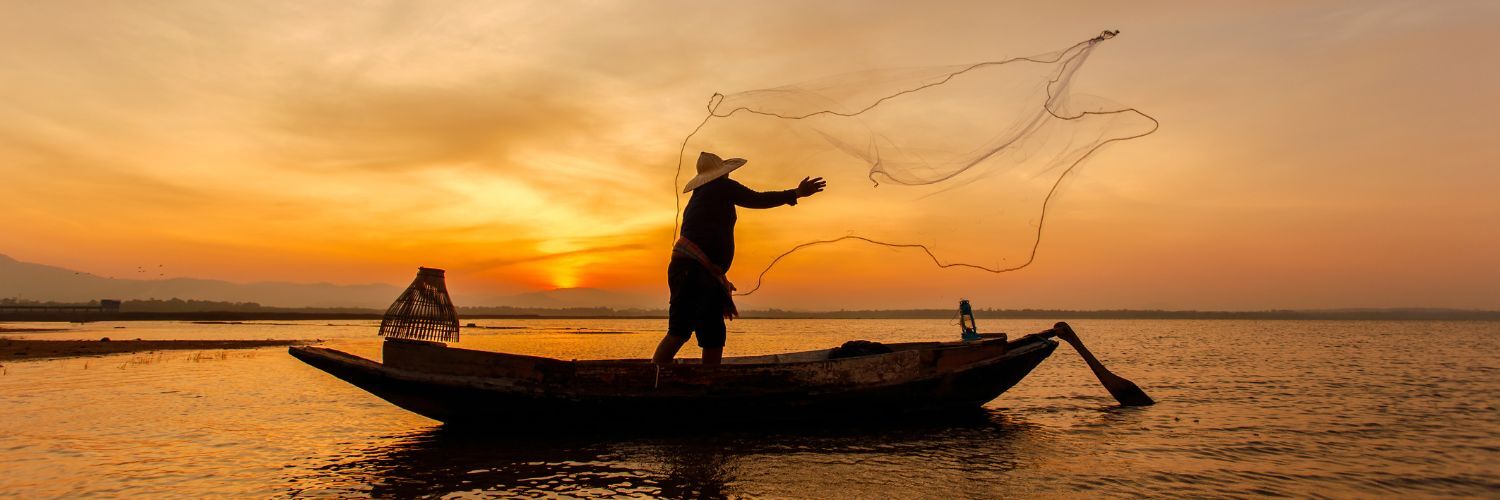
Excerpt and Photo from fiskerforum.com **Enhancing maritime security and promoting sustainable fisheries management across the Pacific is a key outcome of Operation Rai Balang, which has just come to a close.** ‘This operation exemplifies the spirit of regional collaboration and determination among Pacific Island nations,’ said Pacific Island Forum Fisheries Agency (FFA) Director General, Dr Manu Tupou-Roosen, highlighting the significance of the FFA-led Operation Rai Balang. ‘By tackling IUU fishing head-on, we are not only preserving our marine resources but also securing the livelihoods and food security of our people. Operation Rai Balang reinforces FFA’s commitment to sustainable fisheries management and maritime security in the Pacific.’ The two-week Operation saw Pacific Islands Forum Fisheries Agency (FFA), Members, Pacific Quadrilateral Defence Coordination Group (Pacific QUADs) and partners safeguarding the invaluable marine resources of Pacific Island nations and the Western Central Pacific Ocean.

Read more
Guyana farmers share lessons on improving coconut industry
Water & FoodMarch 18, 2024

Guyana farmers share lessons on improving coconut industry

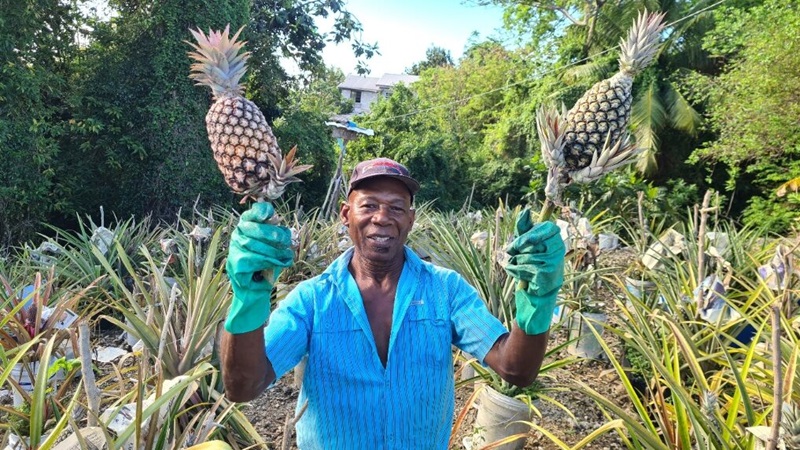
Photo: Christopher Serju. Retrieved from jamaica-gleaner.com AS THE five-day regional coconut workshop, ‘Sustainable and Resilient Coconut Production within a Changing Climate’, came to a close yesterday, the testimony shared by Guyanese participants revealed a glimpse into how the cultivation of coconut rose from obscurity to a priority in their country. Eusi Simpson, the Caribbean Agricultural Research Development Institute (CARDI) Guyana coconut technician explained that the nation had an ailing coconut industry prior to the introduction of the Alliances for Coconut Industry Development, Expansion, and Enhanced Support for the Caribbean (ACIDES) project, during a technical session held at The Jamaica Pegasus hotel in New Kingston. The project, which is funded by the European Union (EU), is nearing the conclusion of its second phase, which started in 2019. The first phase of the project started in 2014.

Read more
Net gains: how Pacific Island states are securing the future of tuna – and their own
Water & FoodMarch 8, 2024

Net gains: how Pacific Island states are securing the future of tuna – and their own

Excerpt and Photo from euronews.com The largest tuna fishery in the world is also the most sustainable. How do the small island states of the Pacific prevent overfishing, develop their economies, and prepare for the imminent effects of climate change? Our report from the Marshall Islands. Crystal clear waters, white sands and kilometres of scattered islets, stretching as far as the eye can see; the Marshall Islands, a microstate in the Pacific Ocean, is a diver’s paradise, halfway between Australia and Hawaii. The region’s tuna fishing industry, valued at €5.5 billion, is a vital economic resource for the countries and territories of Oceania. However, climate change is a major threat to the Marshall Islands, shoals of tuna, particularly skipjack and yellowfin varieties, are projected to be migrating eastwards towards cooler open water due to rising sea temperatures. According to a UN special report on the impact of climate change on the ocean, ten Pacific Island countries and territories could lose approximately €55.2 million a year in fishing fees and up to 15 per cent in revenue by 2050 due to these tuna migration patterns.

Read more
Voices from the field: In Papua, health workers and communities mobilize against malaria
Water & FoodMarch 1, 2024

Voices from the field: In Papua, health workers and communities mobilize against malaria

Photo: WHO/Rosa Panggabean. Priskila. Retrieved from who.int In Papua Region, eastern Indonesia, local health workers and communities are accelerating action to prevent, detect and treat malaria, in alignment with Indonesia’s updated National Action Plan on Acceleration of Malaria Elimination 2020–2024 and its 2025–2026 bridging plan. Based on a recent Ministry of Health [report](http://p2p.kemkes.go.id/laporan-tahunan-malaria/), as many as 81% of all malaria cases in Indonesia come from just nine districts and cities in Papua, highlighting the urgent need for accelerated, comprehensive and sustained action, with communities leading the way. From community clinics to remote islands, and from medicines and larval control to bed nets, each image in this story highlights the resilience, innovation and perseverance at the heart of Papua’s quest to become malaria-free, joining 389 malaria-free districts country-wide.

Read more
How potato farmers in Prince Edward Island combat soil erosion and disease threats
Water & FoodFebruary 20, 2024

How potato farmers in Prince Edward Island combat soil erosion and disease threats

Excerpt and Photo from fwi.co.uk Prince Edward Island in eastern Canada claims to be the potato capital of the world based on production per capita, with an annual harvest of 1.45m tonnes. This equates to 10t of potatoes per head of its 150,000 population. Elizabeth Irving, who runs Indian River Farms alongside her grandfather and mother, describes its iconic iron-red, fine sandy loam soils – common to large parts of the province and ideal for growing potatoes – as the business’ prize asset. But Prince Edward Island’s (PEI’s) undulating topography and maritime climate present a major threat to its sustainability. On average, the island serves up more than 1,000mm of annual rainfall, harsh winter freeze-thaw cycles and…

Read more
Mangrove crab sustainability is vital for fishers in Indonesia’s Aru Islands
Water & FoodFebruary 2, 2024

Mangrove crab sustainability is vital for fishers in Indonesia’s Aru Islands

Photo by Ridzki R. Sigit/Mongabay-Indonesia. Retrieved from news.mongabay.com A recent rapid survey in Lorang village by Indonesian researchers, however, has indicated signs of depletion in the abundance of mud crabs, sparking new concerns among local fishers who depend on the marine creature for their livelihoods. The boom in mud crab fisheries in the Aru Islands started in 2014 when the Indonesian government imposed [a moratorium on various fisheries commodities](https://peraturan.bpk.go.id/Details/158400/permen-kkp-no-56permen-kp2014-tahun-2014), including shrimp and fish. “In the late 1990s, some people in Lorang were hunting for crabs in the mangroves,” said Natanel, who was also one of the first generation of crab catchers in the village. “But it started to flourish from 2015 until now.” The Indonesian government [has estimated](https://peraturan.bpk.go.id/Details/159676/kepmen-kkp-no-50kepmen-kp2017-tahun-2017) the potential for crab resources in the fisheries management area that includes the Aru Islands at 1,498 tons with a total allowable catch of 1,198 tons. Fishers in Lorang village, for example, don’t need to go far to sell their mud crabs, as buyers from elsewhere in the district would travel there themselves. Typically, crabs weighing 300-700 grams (10-25 ounces) are sold for 90,000 rupiah ($5.70), and those weighing more than that, up to 1 kilogram (2.2 pounds), are priced at 180,000 rupiah ($11.40). Crabs larger than 1 kg can be sold for up to 300,000 rupiah ($19).

Read more
Farmers on Small Italian Islands Restore Ancient Groves and Local Production
Water & FoodFebruary 2, 2024

Farmers on Small Italian Islands Restore Ancient Groves and Local Production

Photo by Federico Burgalassi. Retrieved from oliveoiltimes.com One of the seven islands of the Tuscan archipelago, Giglio covers 21 square kilometers and is located nearly 16 kilometers off the region’s southern coast. Fewer than 1,500 people live year-round on the island, characterized by hilly terrain, steep terraces that slope toward smooth, pale granite cliffs, and a few sandy beaches much sought-after by vacationers during the warmest months. “An olive mill has been operating on the island until the mid-1990s,” Bancalà said. “Our ancestors landed on these coasts between 1560 and 1570, and afterward, they were most likely engaged in olive farming.” “Indeed, today, we are taking care of trees that have been passed down to us from our great-grandfather, who produced olive oil,” he added. “The company’s name is a tribute to him; Goffo is the nickname by which he was known in the village.” Agriculture, primarily viticulture, has always been vital for the economy of Giglio, which was also home to a pyrite mine that provided work to more than 300 islanders from 1938 to 1962. Then, in the 1960s, tourism started developing and gradually supplanted the other activities – for several years, only some villagers continued cultivating the land. Over the past two decades, a renewed enthusiasm for farming began to spread on the island. In the early 2000s, some entrepreneurs reintroduced Ansonaco (the local dialect for Ansonica) wine, made from an autochthonous white grape, onto the market.

Read more
In community with food, champions of regenerative agriculture gather in Kauai
Water & FoodDecember 18, 2023

In community with food, champions of regenerative agriculture gather in Kauai

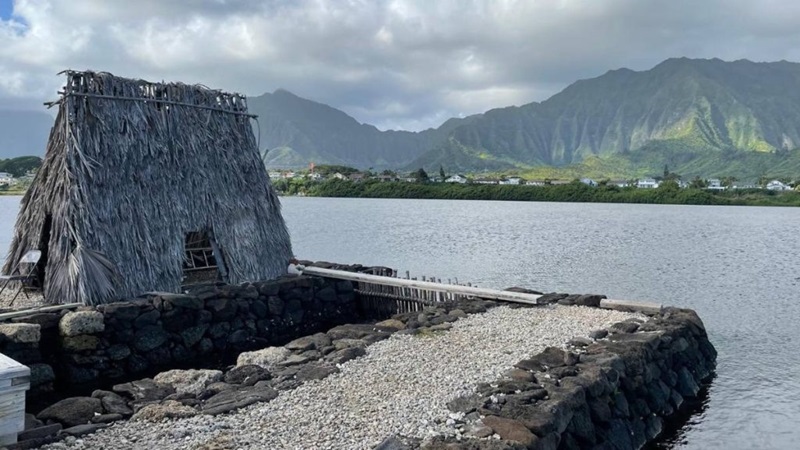
Excerpt and Photo from impactalpha.com If you think regenerative agriculture is merely an elite affectation of modern foodies, you might want to pay a visit to the 600-year-old Alakoko fishpond on a bend in the Hulēʻia River on the windward side of Kauaʻi. Alakoko is one of nearly 500 fishponds that once provided sustainable seafood to communities across the Hawaiian islands. Most have fallen prey to development and disrepair; a few dozen are being restored by community and conservation organizations. At Alakoko, the nonprofit [Mālama Hulēʻia](https://malamahuleia.org/) and scores of volunteers are restoring the 2,700 foot kuapā, or fishpond wall, that once created a vibrant ecosystem to nurture young fish, along with crabs and birds. Crews also are pulling out thickets of red mangroves, an invasive species that had choked the pond.

Read more
Bison herd fuels Prairie Island community’s journey to food sovereignty
Water & FoodDecember 18, 2023

Bison herd fuels Prairie Island community’s journey to food sovereignty

Photo: Ben Hovland / MPR News. Retrieved from agweek.com Dressen says the return of bison to the river valley is just one sign of health here. “Thanks to the commitment of our elders, our veterans and our community members and tribal council, today we have a herd of at least 300,” said Dressen. “We have at least 70 babies this year. So as our community came back home and started to grow, it also mirrored our relatives coming back also. And today, both the community and the buffalo here at Prairie Island are flourishing.” In the decades since Prairie Island established its bison herd, tribal nations have worked to get U.S. Department of Agriculture support for the growing and processing of Indigenous foods. And they want more say in how those systems operate. Advocates say tribal self-governance under the farm bill means that tribes would manage their own programs after agreeing to comply with USDA standards. It’s part of an effort to reclaim food sovereignty or control over production and distribution of the foods that sustained communities for generations including before colonization. In 2018, the Native Farm Bill Coalition (NFBC) advocated for a pilot project that supported the purchase of traditional foods. Eight tribes were allowed to purchase Indigenous foods outside those vendors approved by the USDA. The coalition and others would like to see the program expanded to include all tribal nations across the country. For Prairie Island, it could mean contracts with the USDA that would offset the costs of their operation and increase sales and trade opportunities. The coalition said the USDA spent $4 billion in tribal communities nationwide in fiscal year 2022, but only a fraction of that spending went to contracts with Indigenous farmers and producers.

Read more