Can The 2027 Indian Ocean Games Transform Tourism in Comoros?
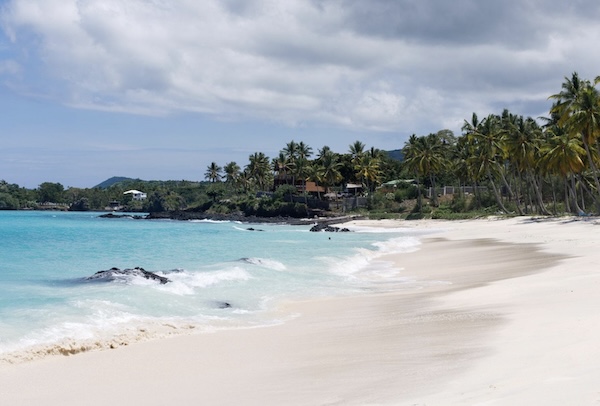
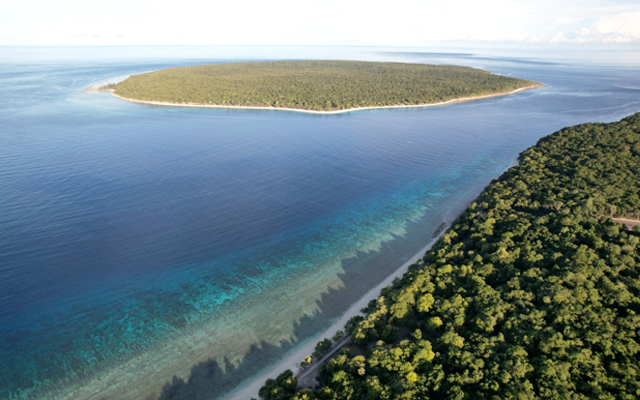
The Comoros Islands have long possessed the ingredients of an Indian Ocean tourism success story: volcanic landscapes, largely undeveloped beaches, coral-rich waters, a distinctive blend of African, Arab and French influences, and a location between East Africa, Madagascar and the established island destinations of Mauritius, Seychelles and Réunion.
What Comoros has lacked is not tourism potential, but the infrastructure, connectivity, investment pipeline and international visibility required to convert that potential into a functioning visitor economy.
The 2027 Indian Ocean Island Games, known by the French acronym JIOI, could become a rare opportunity to change that trajectory. Yet the Games will only produce a lasting tourism dividend if the accommodation, transport and sporting investments being planned are designed for commercial use long after the athletes have returned home.
At the center of one proposed legacy project is Faouzia Vitry, a former Réunion regional political figure with extensive experience in Indian Ocean cooperation. Information provided to eTurboNews says Vitry has been appointed to lead a special-purpose company responsible for developing an accommodation village for the Games.
The proposed development would include approximately 200 villas used to house participants during the sporting event before being converted into permanent residential or tourism accommodation.
The plan is ambitious. It could provide Comoros with desperately needed room capacity and create an investable real-estate product for Comorians, the diaspora and regional partners. It could also become an expensive post-event liability unless ownership, utilities, management, access and market demand are settled before construction begins.
Independent public documentation confirming the SPV’s complete financing structure, construction timetable and final commercial model remains limited. These details will be essential in judging whether the village is a bankable tourism development or primarily a Games-related accommodation solution.
Faouzia Vitry Returns to Indian Ocean Regionalism
Vitry’s appointment would reconnect several strands of Indian Ocean tourism history.
In 2016, she represented Réunion at the Carnaval International de Victoria in Seychelles, an event associated with former Seychelles tourism minister Alain St. Ange and designed to bring cultures and tourism destinations together through a highly visible international carnival.
At that time, Réunion and Comoros were both associated with the Vanilla Islands regional tourism initiative, which sought to market the Indian Ocean islands collectively rather than as isolated destinations.
Vitry later served as a vice president of the Regional Council of Réunion. Regional documents identify her as having held responsibilities connected with education, youth, the Vanilla Islands and regional affairs.
According to the information supplied to eTurboNews, she also managed regional cooperation programs with a budget of approximately €64 million and served in municipal and community positions in Saint-Denis.
Her move to Comoros is therefore more than a conventional property appointment. It signals an attempt to bring regional political experience, institutional knowledge and diaspora engagement into a project that Comoros hopes will survive beyond 2027.
eTurboNews contacted Alain St. Ange, who described the proposed Games village as an opportunity to bring Comoros more visibly onto the tourism map. His broader argument is familiar across the Indian Ocean: major events are most valuable when they leave usable hotel rooms, transport links, public spaces and international awareness rather than empty structures.
What Are the Indian Ocean Island Games?
The Indian Ocean Island Games are a regional multi-sport competition involving Comoros, Madagascar, Maldives, Mauritius, Mayotte, Réunion and Seychelles. The event was created to promote sporting competition, friendship and cooperation among the islands and is generally held every four years.
Comoros is scheduled to host the 12th edition in Moroni in 2027. Recent regional reporting says 18 sporting disciplines have been approved, with the Games expected to run from August 24 into early September. The program includes athletics, swimming, football, basketball, handball, judo, karate, volleyball, table tennis, tennis, pétanque and para-sport events.
Hosting the Games is significant for Comoros because the country has never before had to provide accommodation, sporting facilities, transportation and event services at this scale.
A regional inspection has already raised the issue of slow infrastructure progress. That does not mean the Games cannot be delivered, but it compresses the time available for procurement, construction, testing and operational training.
The event could attract several thousand athletes, officials, media representatives, contractors and supporters. Even if the direct visitor volume is modest by global mega-event standards, it would represent a substantial demand shock for a destination whose tourism economy remains small.
Comoros Has the Product, but Not Yet the Tourism System
Comoros consists principally of Grande Comore, Anjouan and Mohéli, while Mayotte is administered by France and remains politically disputed.
Grande Comore offers the capital, Moroni, the active Mount Karthala volcano, lava landscapes, traditional towns and beaches framed by black volcanic rock. Anjouan is greener and more mountainous, with historic settlements, waterfalls and agricultural landscapes. Mohéli has perhaps the strongest ecotourism proposition, including marine biodiversity, nesting sea turtles, whales and community-based conservation.
The country’s tourism potential has been recognized for years. A World Bank tourism review identified nature, culture and marine assets but also highlighted weak infrastructure, limited skills, poor destination management and inadequate connectivity as major barriers.
The numbers demonstrate how far Comoros remains from its Indian Ocean competitors. Central-bank data cited by Trading Economics indicate 21,718 tourist arrivals in 2024, compared with 20,297 in 2023. Even allowing for differences in statistical methods, this is a fraction of the annual traffic handled by Mauritius, Seychelles or nearby Zanzibar.
Low visitor numbers are not necessarily a weakness. They give Comoros a chance to avoid the high-density resort model and position itself around nature, culture, community tourism and small-scale luxury.
But exclusivity by itself is not a tourism strategy. Travelers still need reliable flights, functioning roads, quality accommodation, trained guides, safe boats, medical support, electricity, water, telecommunications and predictable booking channels.
The United States’ travel guidance states that formal tourism infrastructure is limited and warns that emergency response and medical treatment capacity are inadequate. Canada similarly advises travelers to exercise a high degree of caution because of limited emergency and medical services.
Those warnings are commercially important. International tour operators, insurers, corporate travel departments and event organizers consider medical evacuation, emergency planning and duty-of-care standards before placing clients in a destination.