Content Library

News

Curated stories and analysis from islands and sustainability leaders worldwide.

Showing 9 of 87 news items in Water & Food
The University of the West Indies academics advocate for regional sustainability at Global Sustainable Islands Summit 2025
Water & FoodJune 24, 2025

The University of the West Indies academics advocate for regional sustainability at Global Sustainable Islands Summit 2025

**Image credit:** The University of the West Indies, St. Augustine Campus **Caption:** (Second from left) Dr. Preeya Mohan joins the plenary panel at the 2025 Global Sustainable Islands Summit. Source: [The UWI St. Augustine](https://sta.uwi.edu/newspics/2025/PHOTO%204%20Summit.jpg) **ST. AUGUSTINE, Trinidad and Tobago. 18 June, 2025** – From May 27 to 29, **UWI Senior Lecturer Dr Ronald Roopnarine** and **Senior Fellow Dr Preeya Mohan** represented The University of the West Indies (The UWI) St Augustine Campus at the 2025 Global Sustainable Islands Summit (GSIS) in St Kitts and Nevis. Hosted by Island Innovation in collaboration with the Government of St Kitts and Nevis, the summit addressed issues affecting island communities like sustainable water management, energy security, climate adaptation, food security and climate-resilient agriculture. A senior lecturer in Agri-Environmental Disaster Risk Management and Deputy Dean at the Faculty of Food and Agriculture, Dr Roopnarine said the summit attracted hundreds of stakeholders from island communities across the world, which presented an opportunity to highlight The UWI’s sustainability efforts and build networks.

Read more
USD 8.9 million approved for climate-resilient agriculture in Solomon Islands
Water & FoodJune 16, 2025

USD 8.9 million approved for climate-resilient agriculture in Solomon Islands

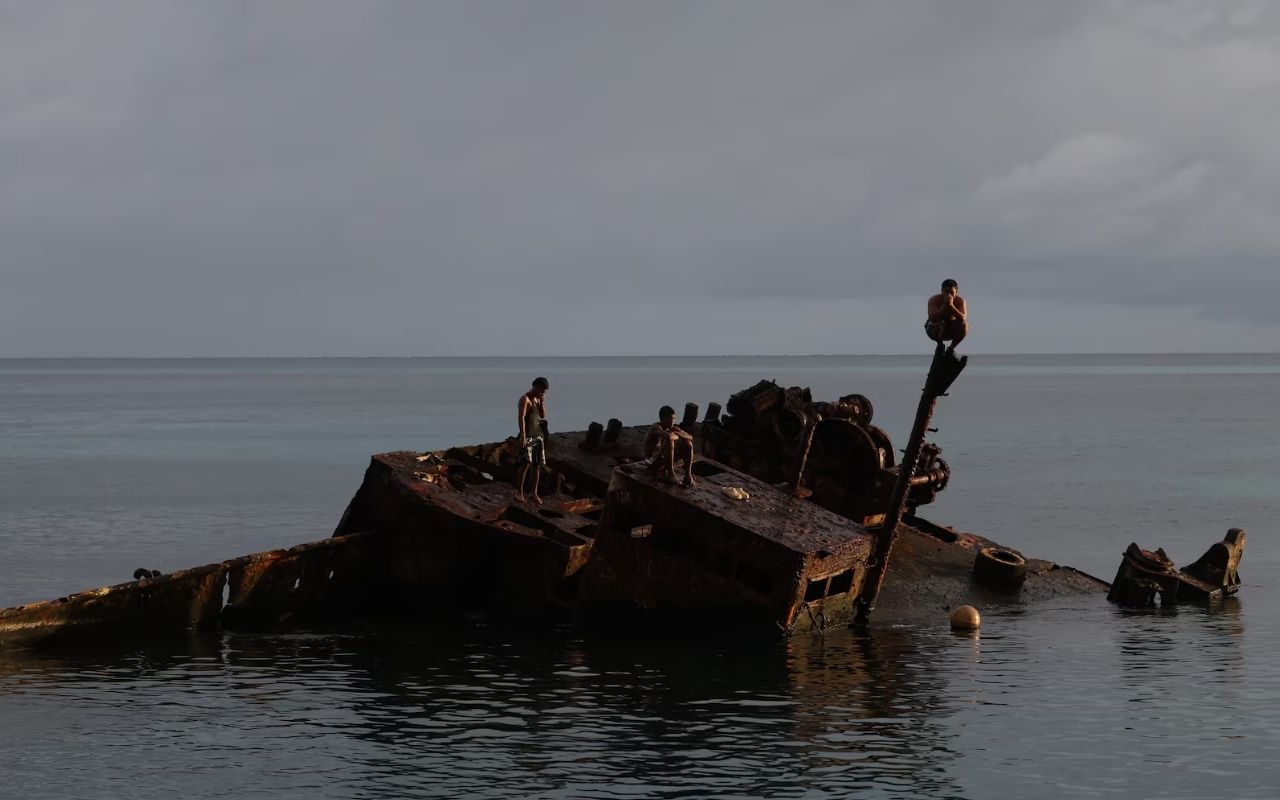
The Least Developed Countries Fund (LDCF) has approved USD 8.9 million in grant funding for an FAO-led initiative to strengthen food security and climate resilience in the Solomon Islands. With rising sea levels, extreme weather events, and a large rural population dependent on agriculture and fisheries for livelihoods and food, the Solomon Islands is among the world’s most climate-vulnerable nations. Bolstered by over USD 29 million in co-financing, the Resilient Rural Economic Growth and Food Security project aims to transform how food is grown, accessed, and sustained in the Solomons – promoting sustainable agricultural practices, enhancing national policies, strengthening local governance, and improving availability and access to climate information. GEF CEO and Chairperson Carlos Manuel Rodríguez said that the project was a powerful example of how locally led action can turn environmental challenges into opportunities for transformation. “By combining scientific knowledge with traditional practices and anticipating future environmental risks, this collaboration with the Government of Solomon Islands will equip communities to adapt not only their crops and coastlines, but their entire way of life,” Rodríguez said. “This is adaptation action that is inclusive, anticipatory, and deeply rooted in local leadership.” The project will improve the management of more than 36 000 hectares of land and coastal areas for climate resilience, train more than 60 000 people, and directly benefit more than 75 000 people. The project targets five provinces – Malaita, Guadalcanal, Choiseul, Temotu, and Rennel/Bellona – that underpin national food security, face heightened climate change hazards, and hold high potential as models for scalable, community-led adaptation. Malaita and Guadalcanal provinces are key agricultural hubs with high exposure to climate-induced crop losses. Choiseul, Temotu, and Rennell/Bellona are remote provinces with limited market access and infrastructure, where communities are highly dependent on natural resources and traditional food systems.

Read more
Overcoming Drought With Ecological Agriculture
Water & FoodJune 10, 2025

Overcoming Drought With Ecological Agriculture

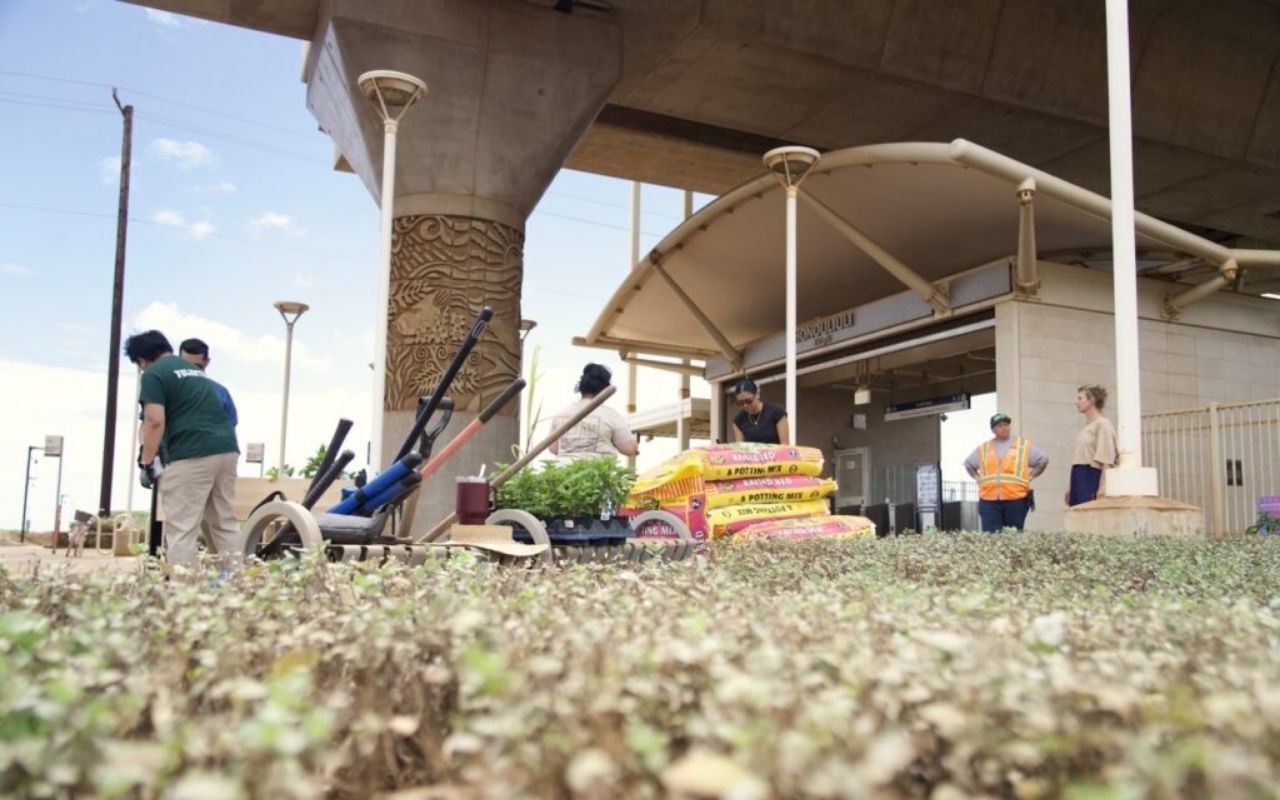
Many areas across Hawaiʻi are seeing increased drought conditions once again. Gardeners, farmers and foresters can be considerably affected by these severe droughts. Even East Hawaiʻi island’s Hilo and Hāmākua districts rivers and creeks are dry much of the year now. Widespread increased drought means increased fire risk. Thankfully, there are natural solutions that help cultivators conserve and collect water, revitalize the soil, and increase production.

Read more
Cyprus: Government launches €67.5m investment scheme to boost agriculture
Water & FoodJune 10, 2025

Cyprus: Government launches €67.5m investment scheme to boost agriculture

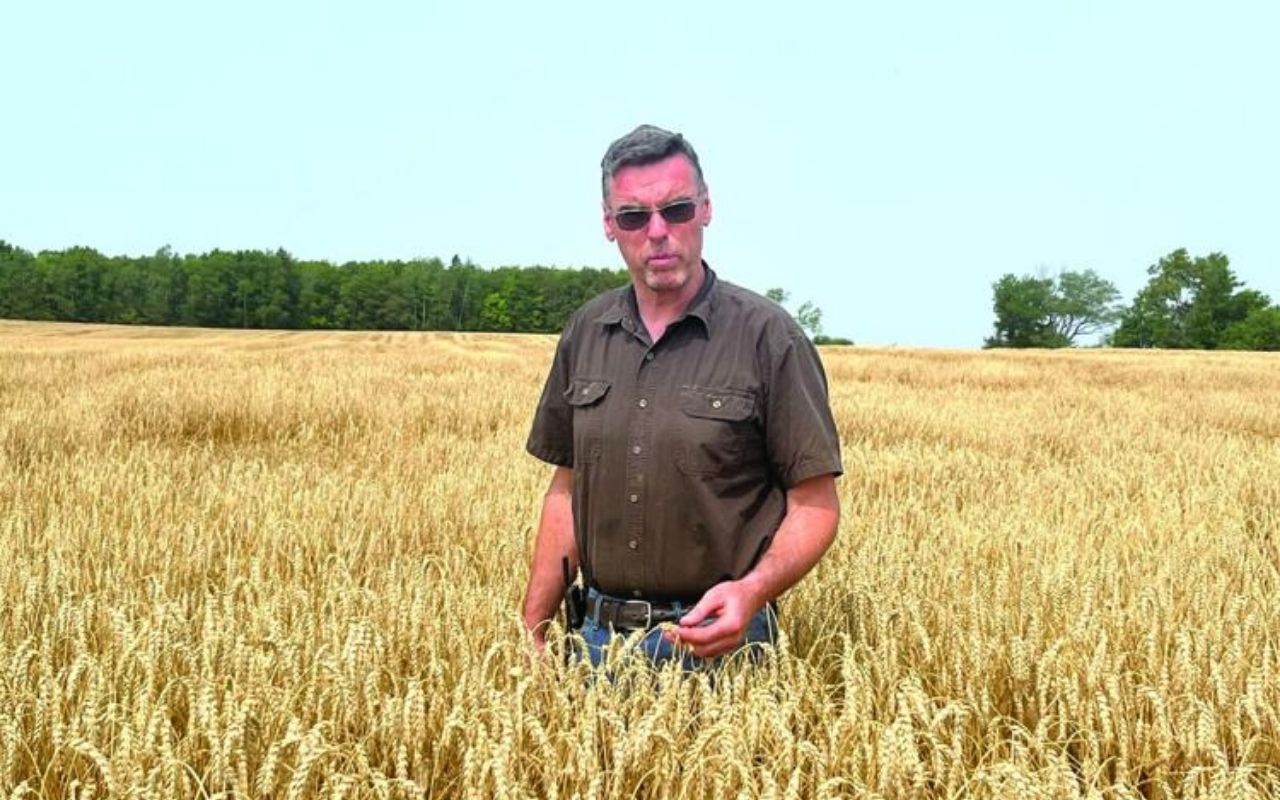
Photo Credit: [Cyprus Mail](https://cyprus-mail.com/image/s1100x619/fill/webp/path/wp-content/uploads/2025/06/turnip-8266093_1920.jpg) Cyprus will roll out a €67.5 million investment scheme this Thursday as part of its strategic plan under the EU’s common agricultural policy (CAP), government spokesman Konstantinos Letymbiotis confirmed on Tuesday. Speaking at the presidential palace, Letymbiotis said the programme forms a key pillar of the 2023–2027 CAP strategy, aiming to modernise the island’s farming sector and address long-standing challenges faced by local producers. “The government will proceed on June 5 with the launch of the major investment measure of the strategic plan for the common agricultural policy,” Letymbiotis said.

Read more
ABB technology safeguards water resources on historic Greek island of Chios
Water & FoodMay 6, 2025

ABB technology safeguards water resources on historic Greek island of Chios

Chios is a picturesque Greek island in the Aegean Sea, known for its medieval villages, distinctive mastic production, attractive beaches and rich Byzantine heritage. The local authorities have taken a decisive step towards increased water sustainability. To help drastically reduce non-billable water leakage and ensure both the supply and quality in their potable water distribution network, The Chios Municipal Water and Wastewater Company of the Island awarded ABB a contract to deliver an advanced telemetry system. The comprehensive agreement includes designing, supplying and installing the complete water management system, from advanced leak detection technology to high-efficiency pumps. ABB will deliver an integrated solution tailored to the island’s specific needs. The contract also includes the development of a containerized power station that transforms and distributes electricity to power the entire water management infrastructure.

Read more
Prince Edward Island (P.E.I) Women’s Institute celebrates diverse flavours of the province
Water & FoodApril 7, 2025

Prince Edward Island (P.E.I) Women’s Institute celebrates diverse flavours of the province

Photo courtesy of Rana Liu/CBC. Retrieved from cbc.ca The [P.E.I. Women’s Institute](https://www.peiwi.ca/) (WI) is celebrating the diverse flavours of P.E.I. with their [Tell Your Food Story 2025 Contest](https://www.peiwi.ca/post/tell-your-food-story-a-new-contest) showcasing local ingredients from the Island. In partnership with the Department of Agriculture, the WI is presenting the finalists, including their favourite recipe and the reason why their dish is special and meaningful. Each culinary creation includes at least three ingredients sourced from P.E.I.’s agriculture or fisheries such as fruits, vegetables, grains, dairy, eggs, beef, pork, poultry, fish or shellfish. In addition to this spotlight feature, the P.E.I. Women’s Institute is offering winners cash prizes. **Kay Wall: Squash and cranberry casserole** Women’s Institute member Kay Wall’s journey of growing squash and incorporating it into family traditions highlights the importance of local agriculture. Her recipe’s success at family gatherings and WI conventions adds to its charm.

Read more
Remote Tikopia communities celebrate new water supply
Water & FoodApril 7, 2025

Remote Tikopia communities celebrate new water supply

Excerpt and Photo from solomonstarnews.com Families comprising 576 people in Tikopia, Temotu province are now enjoying reliable access to clean water for drinking, cooking, and washing—right at their houses’ doorsteps. This transformation follows the successful completion of the St. Luke Community Faea Water Project, which began in June 2023. Four communities in the Faea District and one in the St. John Community of Ravenga District have benefited from the project, which included the construction of two water dams and a network of 31 standpipes. For over 20 years, these communities relied on rainwater collection and a deteriorating water system built in the early 1980s. Over time, the system degraded to a single standpipe, which was dry most of the time. Periods of drought, intensified by climate change, often left families struggling to secure water, exacerbating social and economic vulnerabilities on this cyclone-prone and geographically isolated island. “This project has lifted one of our longest-standing burdens,” said Mr. Pae Seivaea, Chairman of the St. Luke Community. “For years, we had to carry water over long distances—mothers, children, everyone. Now, clean water is right in front of our homes. It is truly changing our daily lives.” The project’s completion reflects the United Nations Development Programme’s (UNDP) commitment to community-driven development in the Solomon Islands and the broader Pacific region. It directly contributes to improving the resilience and well-being of local populations.

Read more
Scaling agroforestry can support fisheries, local food production, cultural practices
Water & FoodMarch 24, 2025

Scaling agroforestry can support fisheries, local food production, cultural practices

Photo credit: Maggie Sogin. Retrieved from hawaii.edu Protecting native forests combined with transitioning fallow and unmanaged agricultural lands to ʻŌiwi (Native Hawaiian) and other place-based agroforestry systems has direct benefits for local fisheries, according to a [new study inNature Ocean Sustainability](https://www.nature.com/articles/s44183-024-00090-6) by an interdisciplinary team from the University of Hawaiʻi at Mānoa, Institute of Pacific Islands Forestry, Kamehameha Schools and Seascape Solutions. These forest management and restoration efforts can improve local food production, biodiversity conservation and cultural connection in places from land to sea. **Mauka to makai** For generations, Kanaka ʻŌiwi, like other Pacific islands cultures, managed from land to sea (mauka i makai) through a system of land divisions (moku) that ensured food security and ecological balance. However, colonization, land privatization and industrial agriculture disrupted these systems. Over the past few decades, large-scale declines in plantation agriculture has now left 40% of Hawaiʻi’s agricultural lands fallow and unmanaged, which can pose risks from elevated erosion, invasive species and wildfire. The research found that combining native forest protection (100,000 acres) with transitioning suitable fallow agricultural land to agroforestry (400,000 acres) could increase sediment retention by 30%, thereby reducing erosion and boosting nearshore food production by almost 100,000 meals per year in some moku. Benefits of this magnitude were shown for west Kauaʻi, the south shore of Molokaʻi, west Maui and east Hawaiʻi Island, where communities are tightly connected to and reliant on fishing for livelihoods, subsistence and social networks.

Read more
To meet local demand, St. Helena-based hydroponic farm grows vertically
Water & FoodFebruary 27, 2025

To meet local demand, St. Helena-based hydroponic farm grows vertically

Photo courtesy: Jessica Wade/Staff. Retrieved from postandcourier.com A wall of lettuce was rolled aside to make way for rows of colorful edible flowers as Selma Davis looked through her hydroponic farm like a librarian confidently sifting through shelves of books. She picked a piece of bright green arugula. “Give that a try. It is the most unbelievable arugula,” Davis said. “It’s spicy because it’s older.” The bushels of arugula are among dozens of greens grown vertically within a large shipping container dropped by a crane on St. Helena Island farmland. On the inside, the 320-square-foot structure is high tech, using water to produce large yields of pesticide free greens and vegetables through a method called hydroponics.

Read more