VIS 2026VIS 2026 — Virtual Island Summit|Also: GSIS 2027GSIS 2027
Island Innovation Logo
About
Services
The Network
Events
Content Library
Contact Us

News

Curated stories and analysis from islands and sustainability leaders worldwide.
Loading news...

Subscribe to our newsletter. By submitting, you agree to our Privacy Policy.

Island Innovation

Island Innovation works with governments, institutions, and partners worldwide to support island-led sustainable economic development.

We Support The UN Development Goals

SDG 9: Industry, Innovation and Infrastructure
SDG 11: Sustainable Cities and Communities
SDG 12: Responsible Consumption and Production
SDG 13: Climate Action
SDG 14: Life Below Water
SDG 17: Partnerships for the Goals

Explore

AboutServicesNetworkEvents

Content

ArticlesNewsCareers

Ready to Connect?

Join the island innovation community

Get in Touch

About

  • About us
  • Case Studies
  • FAQs
  • Press
  • Careers
  • Contact

Services

  • Services Overview
  • Public & Media Relations
  • Strategic Communications

Network

  • The Island Network
  • Academic Council
  • Newsletter

Events

  • Our Events
  • Watch Past Events

Content

  • All Content Library
  • Videos
  • Articles
  • News
Privacy PolicyTerms of ServiceContactManage email preferences

© 2025 Island Innovation. All rights reserved.

    Filter by Core Theme

    All ThemesCircular EconomyClimate ActionConnectivity & DigitizationCulture & CommunityEnergy & TransportGreen Finance & EconomyOcean & BiodiversityPolicy & GovernanceTourism & Remote WorkWater & Food
    Showing 9 of 93 news items in Green Finance & Economy
    Cape Verde Launches First Sustainability Taxonomy to Channel Green Investment Into Energy and Water Resilience
    Green Finance & EconomyAugust 20, 2026

    Cape Verde Launches First Sustainability Taxonomy to Channel Green Investment Into Energy and Water Resilience

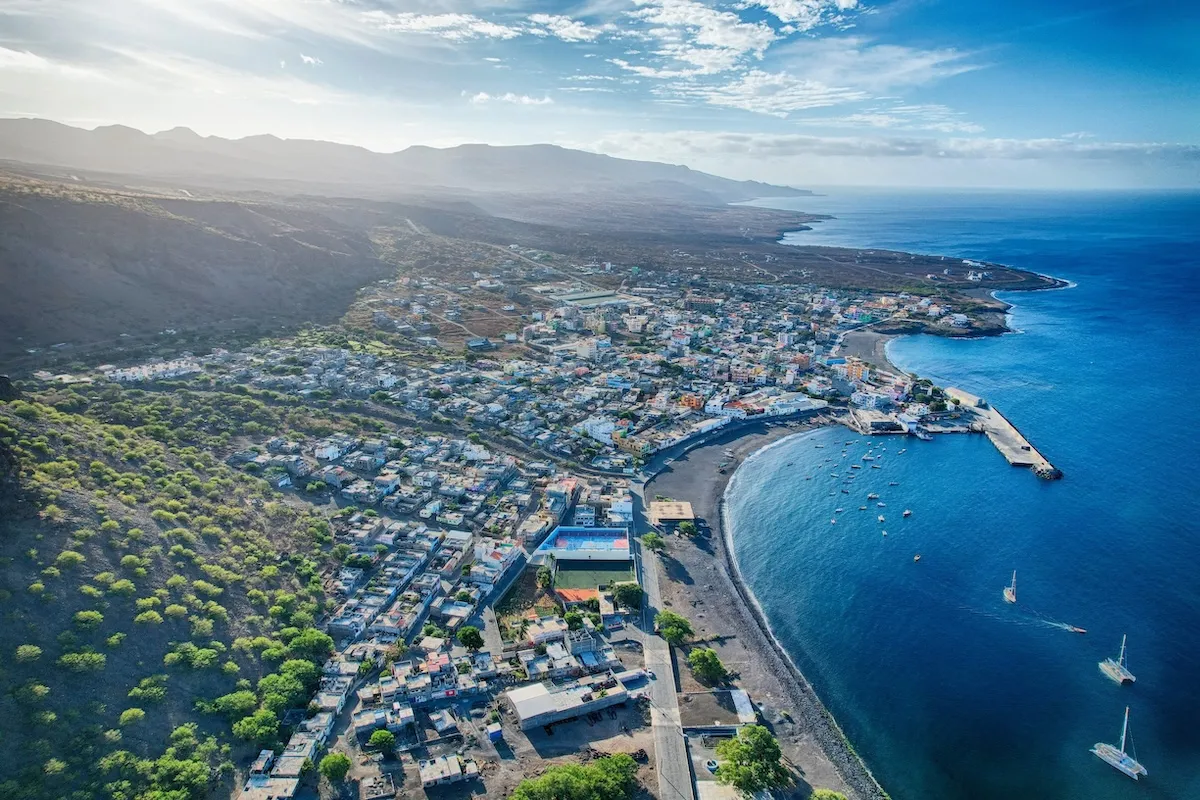
    The Bank of Cape Verde (BCV) has launched a public consultation on the country’s first sustainability taxonomy, establishing a new framework designed to guide investment towards environmentally sustainable activities in strategic sectors including energy and water. The initiative, which will remain open for public input until 10 August 2026, represents a significant step in Cape Verde’s efforts to strengthen climate resilience, improve sustainable finance standards and attract investment aligned with its long-term development priorities. The proposed taxonomy provides technical criteria for determining whether economic activities can be classified as sustainable. By creating a common framework for investors, financial institutions and policymakers, the system aims to reduce uncertainty around green investments and improve the allocation of capital towards projects that support climate mitigation, adaptation and resource efficiency. For Cape Verde, the development of a sustainability taxonomy carries particular importance given the country’s economic structure and environmental vulnerabilities. The Atlantic archipelago has significant potential in renewable energy, maritime industries and sustainable tourism, but remains highly exposed to climate-related pressures, including prolonged droughts, water scarcity, rising sea levels and extreme weather events. According to the Bank of Cape Verde, the taxonomy is intended to support the transition towards a low-carbon and climate-resilient economy by identifying activities that contribute positively to environmental and social objectives. The framework provides investors with clearer guidance on which projects qualify as sustainable, helping financial institutions incorporate environmental considerations into lending and investment decisions. The move reflects a broader global shift in sustainable finance, where governments and regulators are increasingly developing classification systems to prevent greenwashing and improve transparency in capital markets. Sustainability taxonomies have become important tools for aligning financial flows with climate and development objectives by establishing measurable standards for economic activities. Cape Verde’s first taxonomy is structured around seven key objectives: six environmental goals and one social development objective. These include climate change mitigation and adaptation, sustainable use and protection of water and marine resources, transition towards a circular economy, pollution prevention and control, protection of biodiversity and ecosystems, and social development. In the initial phase, the Bank of Cape Verde has prioritised detailed technical criteria related to climate change mitigation and adaptation. Other environmental objectives are addressed through the “do no significant harm” principle, requiring activities that contribute to sustainability goals to avoid creating substantial negative impacts in other environmental areas. This approach mirrors international sustainable finance frameworks, including those developed by major financial markets and institutions seeking to standardise environmental assessments. By adopting similar principles, Cape Verde is seeking to strengthen investor confidence and improve compatibility with international financing mechanisms. The development of the taxonomy has involved international cooperation, with technical support provided through the European Union’s Sustainable Finance Advisory Hub. The programme is implemented by the United Nations Development Programme (UNDP), with additional technical contributions from the Sustainable Finance Taxonomy Mapper.

    12345678910
    Read more
    $100M Fund to Build Resilient Blue Economies in Island States
    Green Finance & EconomyAugust 6, 2026

    $100M Fund to Build Resilient Blue Economies in Island States

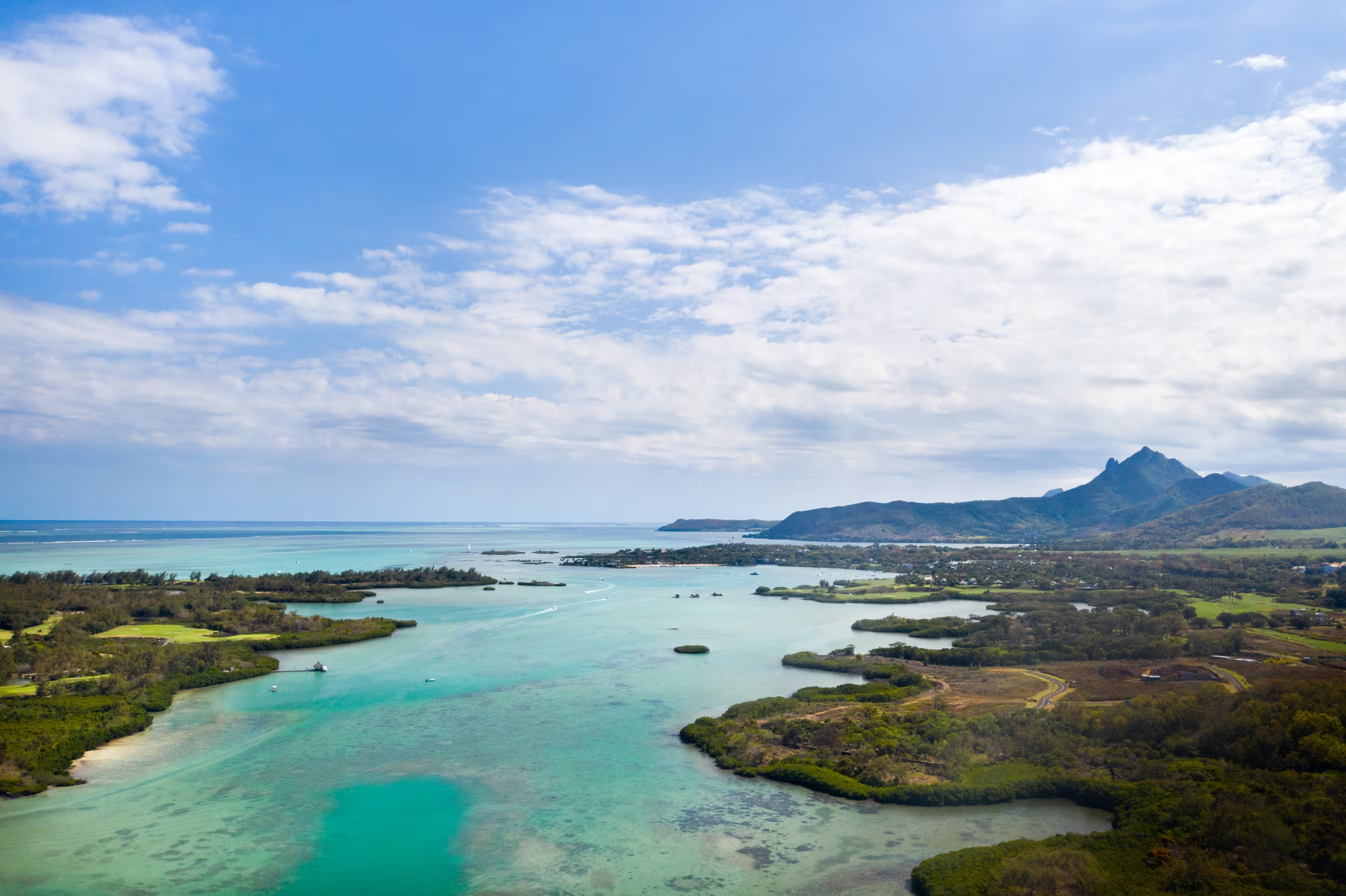
    Outrigger Impact has launched a blended-finance fund designed to provide equity and debt to blue-economy businesses in Small Island Developing States. The fund is targeting US$100 million and aims to help close the estimated US$10 billion annual adaptation-finance gap for islands. Its proposed investments include sustainable fisheries, circular economy, ecosystem restoration, coastal resilience, climate-smart infrastructure, clean energy and low-carbon shipping. The platform combines catalytic junior capital with a senior tranche for private investors and technical assistance for early-stage projects.

    Read more
    Remote Archipelagos: VAT Reduced to 1% to Support the Economy
    Green Finance & EconomyAugust 6, 2026

    Remote Archipelagos: VAT Reduced to 1% to Support the Economy

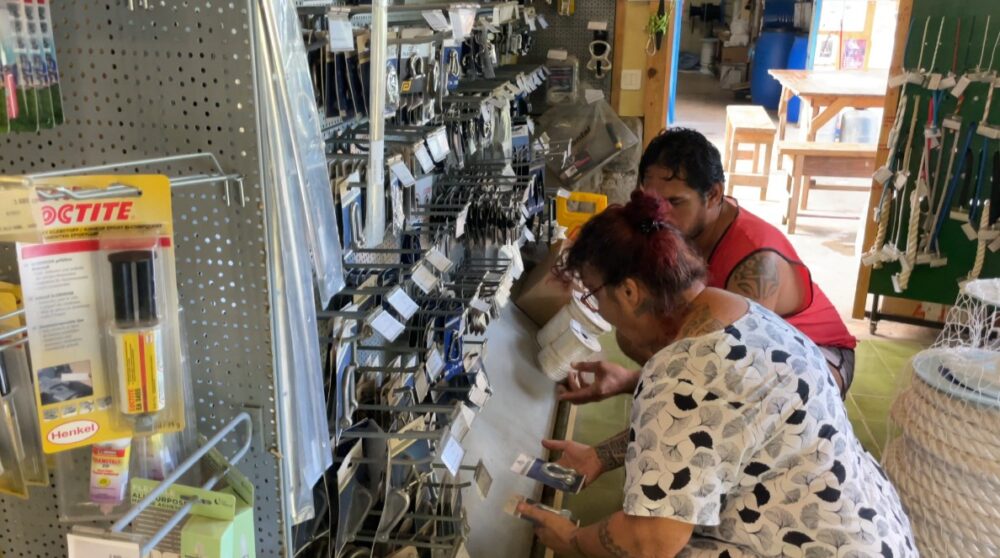
    French Polynesia has reduced VAT to 1% in the remote archipelagos outside the Society Islands, effective from 1 July 2026. The measure is intended to encourage investment, stimulate economic activity and protect household purchasing power, replacing previous rates of 13% or 16% for eligible transactions. Its application depends on where a sale takes place, the buyer's status and, for some goods sent from Tahiti, how they are shipped. Authorities will monitor prices through the end of the year to assess whether the reduction reaches consumers.

    Read more
    Zanzibar Plans $560m Free Port Project
    Green Finance & EconomyJuly 14, 2026

    Zanzibar Plans $560m Free Port Project

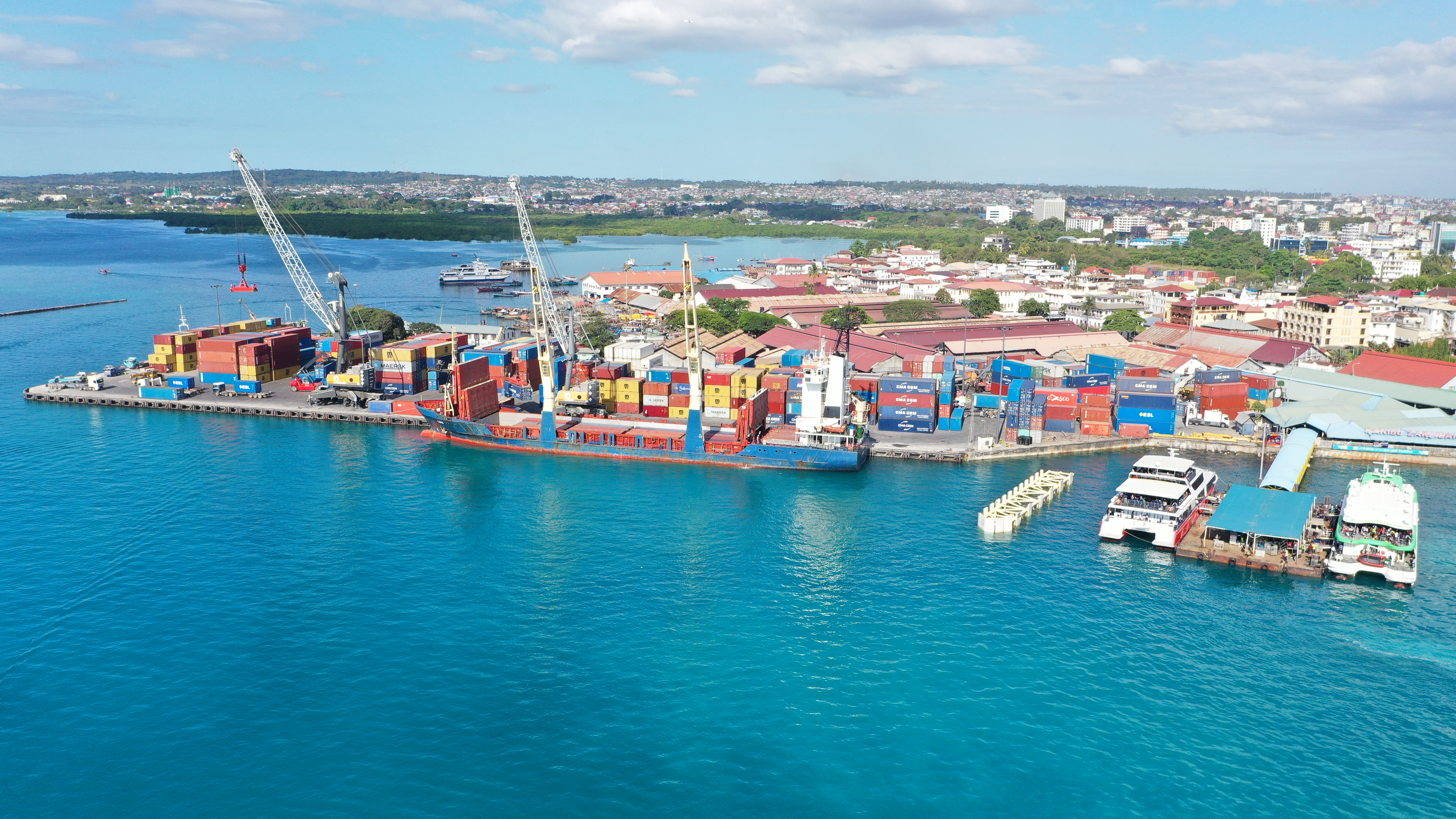
    Zanzibar has unveiled plans for a major free port development at Mangapwani as the semi-autonomous island seeks to re-establish itself as a regional trade and logistics hub along East Africa's Indian Ocean coastline. The proposed project, valued at around $560m, would create a dedicated free port and logistics zone designed to attract international shipping, transhipment, manufacturing and distribution activities. Authorities believe the development could help position Zanzibar as a gateway for trade serving East Africa, the Middle East and the wider Indian Ocean region. The development is expected to include cargo-handling infrastructure, logistics parks, warehousing and associated industrial facilities.

    Read more
    How Vancouver Island University's Financial Stability Strengthened Its City
    Green Finance & EconomyJuly 9, 2026

    How Vancouver Island University's Financial Stability Strengthened Its City

    Vancouver Island University has returned to financial health, with its Board of Governors approving a $5.3 million surplus for 2025-26 and a projected $1 million surplus for 2026-27. VIU enrolls 12,644 students and serves as a primary talent pipeline for Nanaimo employers across healthcare, manufacturing, and technology. Its applied research partnerships attract national funding and recognition. Financial stability positions VIU to remain a full partner in Nanaimo's long-term economic development. Vancouver Island University has been part of Nanaimo's fabric for nearly a century. It has trained the nurses, tradespeople, engineers, and entrepreneurs who helped build the region's workforce. For a mid-sized city built on diverse business and industry, it is one of the anchors that makes everything else possible. Which is why the news about VIU's return to financial stability matters more than most people realize. "VIU is no longer playing defense," said Dr. Dennis Johnson, VIU's Interim President and Vice-Chancellor. "We're investing in what comes next, for our students, our region, and the long-term health of this institution." After years of managing international enrollment volatility, rising operating costs, and deferred maintenance pressures, VIU enacted a deficit mitigation plan that required reducing its workforce by more than 200 positions. It was a difficult period for the university and for the community that depends on it. But it worked. On May 28, VIU's Board of Governors approved a 2026-27 budget projecting a $1 million surplus, following a $5.3 million surplus in 2025-26. Two consecutive years of surplus after years in the red marks a pivotal turning point in the institution's future. Universities are easy to take for granted. But if they begin to struggle, the effects ripple outwards into the communities that depend upon it. Fewer research partnerships, constrained program offerings, and reduced capacity to attract talent and investment compounds over time, chipping away at a region's strength. With 12,644 students enrolled as of May 2025, VIU feeds directly into the regional workforce through co-ops, work-integrated learning, internships, and permanent employment after graduation. Many choose to stay in Nanaimo, contributing skills, entrepreneurship, and spending power to the local economy. On average, a VIU bachelor's degree graduate earns $574,000 more over their working life than someone who entered the workforce with only a high school diploma. Multiply that across thousands of graduates who remain in the region and the compounding effect on Nanaimo's economic base and employee skillset becomes clear. Employers across key sectors, from manufacturing and technology to healthcare and professional services, depend on that pipeline. Long-term economic resilience depends on it too.

    Read more
    Dismantling Barriers to Climate Finance Access for Small Island Developing States and Least Developed Countries
    Green Finance & EconomyJuly 2, 2026

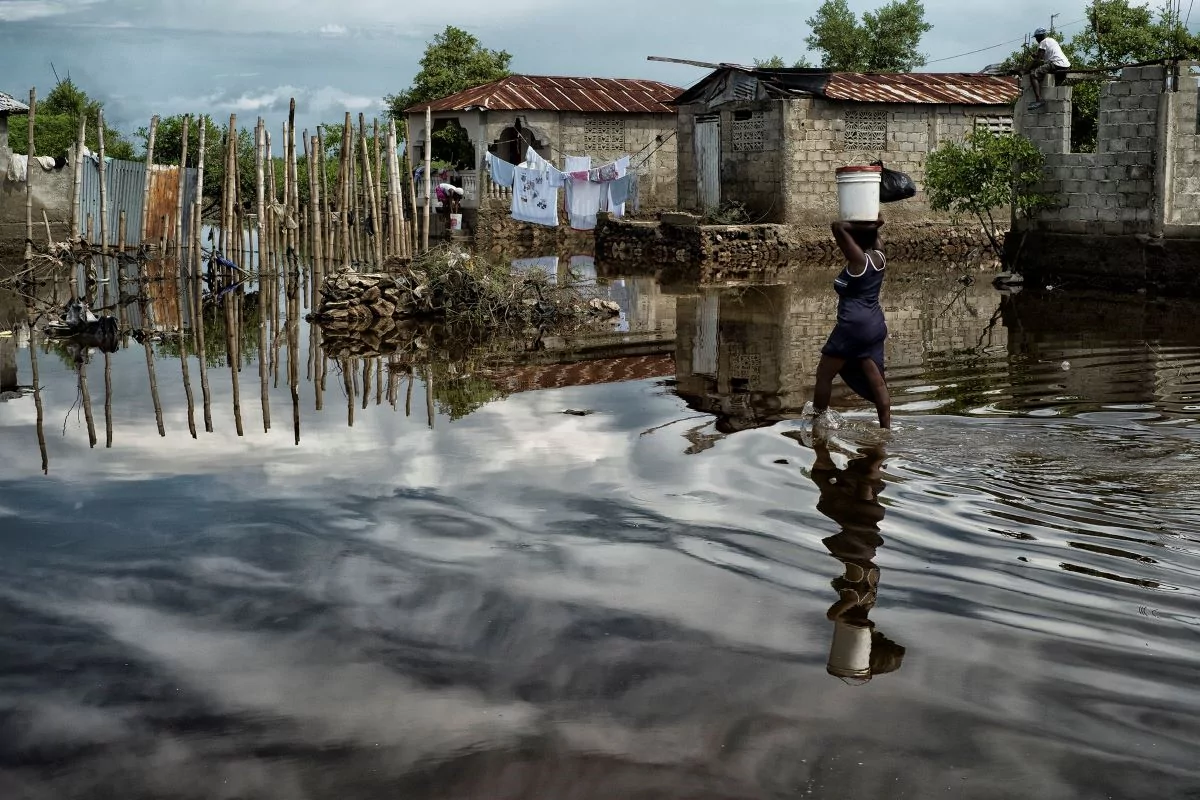
    Dismantling Barriers to Climate Finance Access for Small Island Developing States and Least Developed Countries

    Climate finance access is a critical issue for Small Island Developing States (SIDS) and Least Developed Countries (LDCs), but a common conception of the problem is lacking. Without a clear shared understanding, efforts to reform access risk addressing symptoms rather than root causes. This briefing makes the case that access challenges stem from intersecting structural, supply, and demand problems, and that 2026 presents a critical opening to tackle intersectional barriers to access. SIDS and LDCs confront clear obstacles in accessing finance to build resilience against climate change. High perceived risk, small economic scale, currency volatility, and limited institutional capacity block their access to capital markets. Their acute need for investment in projects that build local resilience but lack of revenue streams severely limits opportunities for obtaining private capital. The resulting dependence on international public finance intensifies fiscal stress during climate shocks and perpetuates a reinforcing cycle: barriers to access heighten vulnerability, and greater vulnerability increases the hurdles to securing finance, as shown below. Intersecting barriers: Structural, supply and demand The contributing barriers to this feedback loop are structural, supply-side, and demand-oriented. Structural barriers are built into the economic realities of SIDS and LDCs: their economies are small and unstable, with financial systems still emerging and institutions and fiduciary standards continuing to develop. Supply-side constraints arise from fragmented climate funds, with overlapping mandates and rigid, inconsistent access procedures. Allocation is often shaped by income classifications and donor priorities, rather than by vulnerability, and eligibility rules often overlook climate risk. Demand limitations develop from limited institutional bandwidth, fiscal room, and administrative capacity, reducing what countries can credibly propose and absorb. These barriers intersect at two key central issues: inclusion and justice in a system where marginalised groups are routinely excluded from decisions about and benefits from finance due to system design, and the vulnerability trap. Opportunities to build on progress Some progress has been made. Major funds have issued a joint action plan to streamline procedures, and the World Bank launched a crisis-preparedness toolkit. Climate finance rose to $23.7 billion for LDCs and $3.8 billion for SIDS in 2024. Furthermore, there are clear opportunities on the horizon. As COP31 President of Negotiations, Australia – working with the Pacific – can mobilise progress on access for SIDS and LDCs and help launch implementation of the New Collective Quantified Goal (NCQG). There are opportunities for intervention and they should not be overlooked; this briefing outlines pathways for progress to dismantle structural, supply, demand, and intersectional barriers in 2026.

    Read more
    In Sumatra, Social Forestry Links Conservation with Livelihoods
    Green Finance & EconomyJune 18, 2026

    In Sumatra, Social Forestry Links Conservation with Livelihoods

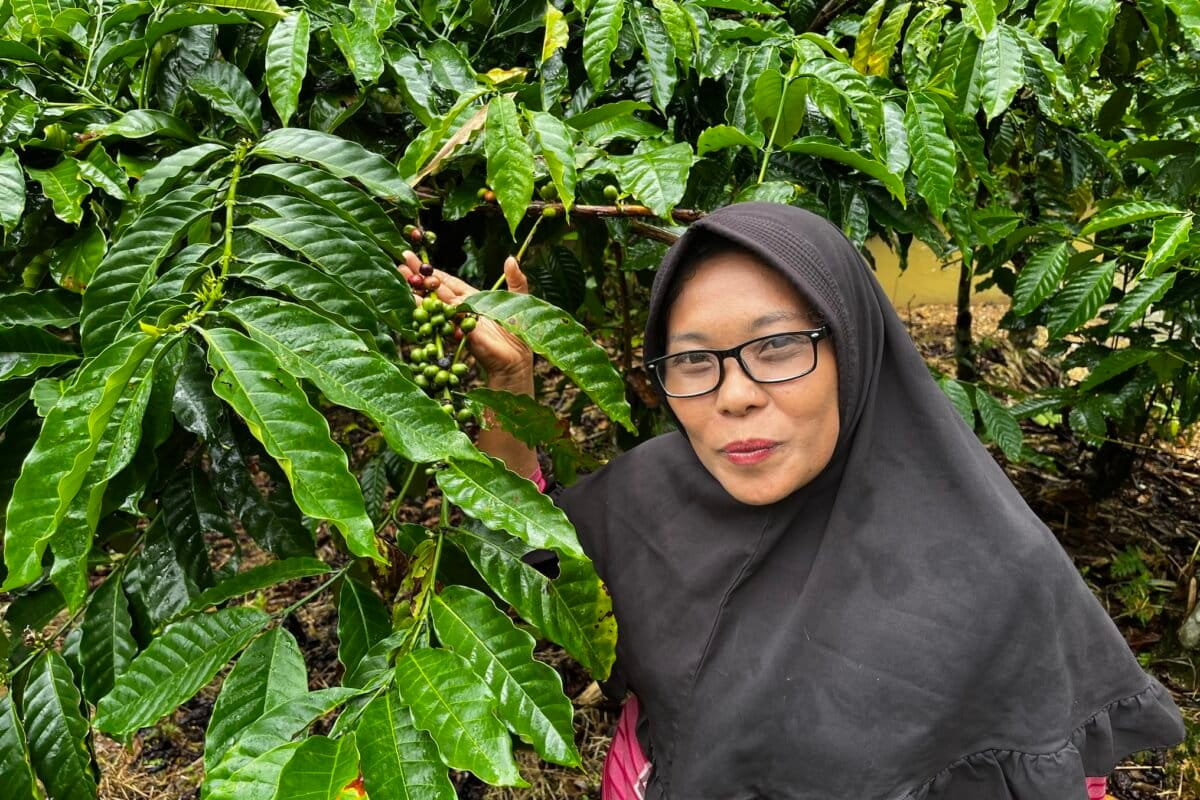
    TANGGAMUS, Indonesia — When Sri Atmiatun arrived in the hills of the Batutegi region in southern Sumatra's Lampung province in 2017, the coffee trees were already there, overgrown and neglected, slowly fading back into scrub. Her uncle had asked her to take over the plot. Sri agreed, trading years of labor on oil palm plantations in the central Sumatran province of Riau. Nearly a decade later, she still walks the same uphill path each morning. Now 45, Sri manages more than 3 hectares (7.4 acres) of land within the 1,400-hectare (3,460-acre) Sumber Makmur social forestry area. Sumber Makmur itself sits on the edge of the more than 80,000-hectare (198,000-acre) Batutegi forest landscape, where some areas are strictly protected while others are managed by communities through agroforestry systems. Under the social forestry program, the land remains state-owned, but local communities like Sri's are granted the right to manage it for their livelihoods under rules designed to protect the forest and its ecological functions. "I stayed because this land feeds us," Sri told Mongabay in early March. "If I leave, who will take care of it?" Sri's story reflects a broader shift. Across the Batutegi landscape, land that was once cleared for coffee is now being restored and managed under Indonesia's social forestry program. Legal recognition has given farmers access to support and training from the government and private organizations. In return, forest clearing and expansion into protected core areas have been reduced, allowing the forest to remain a safe habitat for native wildlife and rescued animals. But conservationists and farmers alike acknowledge that progress remains fragile, as long-term success depends on whether communities can maintain stable livelihoods, local institutions can be strengthened, and the pressure to expand deeper into the forest can be resisted.

    Read more
    Position Paper: Bridge the Climate Finance Gap for the BES Islands
    Green Finance & EconomyMarch 25, 2026

    Position Paper: Bridge the Climate Finance Gap for the BES Islands

    Excerpt from clean-energy-islands.ec.europa.eu The special municipalities of Bonaire, Sint Eustatius, and Saba (BES islands) are located in the Caribbean and part of the Kingdom of the Netherlands. The BES islands face growing challenges in securing the financing needed for a clean, reliable, and affordable energy transition. Energy transition financing is not only an environmental imperative for economic stability and energy security. The BES islands are highly motivated and have a robust pipeline of projects to meet their climate goals. By streamlining access to the right funding mechanisms, these initiatives can be unlocked. Clearer, scale-appropriate investment pathways will accelerate the transition to clean, reliable, and affordable energy, ensuring long-term stability and prosperity for households, utilities, and public budgets alike. As special municipalities, the position of the local governments and the utilities of the islands of Bonaire, Sint Eustasius, and Saba differs from that of autonomous OCTs, and as a result, they face specific challenges in financing their energy transition. In this position paper, the Clean energy for EU islands secretariat presents those challenges and proposes recommendations for European and national policymakers to improve access to funding for the energy transition in the BES islands.

    Read more
    New Small States Bulletin highlights power of Commonwealth partnership for vulnerable economies
    Green Finance & EconomyMarch 18, 2026

    New Small States Bulletin highlights power of Commonwealth partnership for vulnerable economies

    Excerpt from thecommonwealth.org The Commonwealth has mobilised millions of dollars in climate finance, strengthened debt management across 16 countries, and accelerated renewable energy investment in vulnerable Commonwealth Small States, with results highlighted in a new report launched today in London. The Commonwealth Small States Bulletin 2025, themed “Stronger Together: Scaling Solutions for Small States,” was unveiled at the Commonwealth Investment Network (CIN) Summit, detailing practical solutions for supporting small states in navigating rising debt pressures, climate shocks, and limited access to finance.

    Read more