Content Library

News

Curated stories and analysis from islands and sustainability leaders worldwide.

Showing 9 of 87 news items in Water & Food
Indigenous Women Face Water Shortages on Mentawai Islands in Indonesia
Water & FoodSeptember 17, 2024

Indigenous Women Face Water Shortages on Mentawai Islands in Indonesia

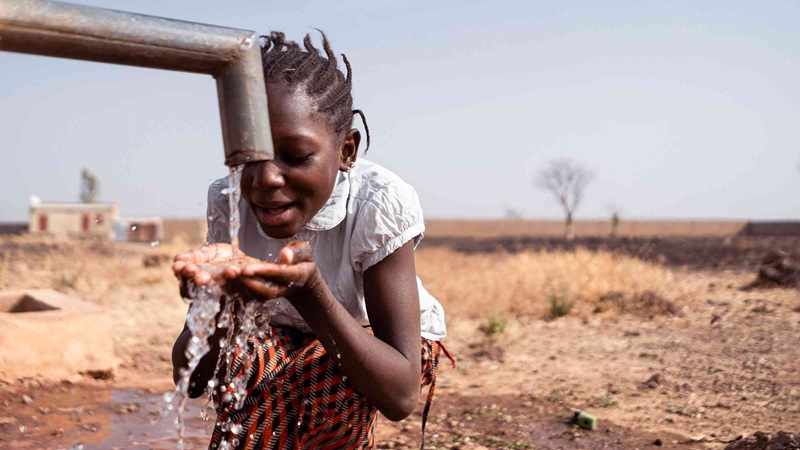
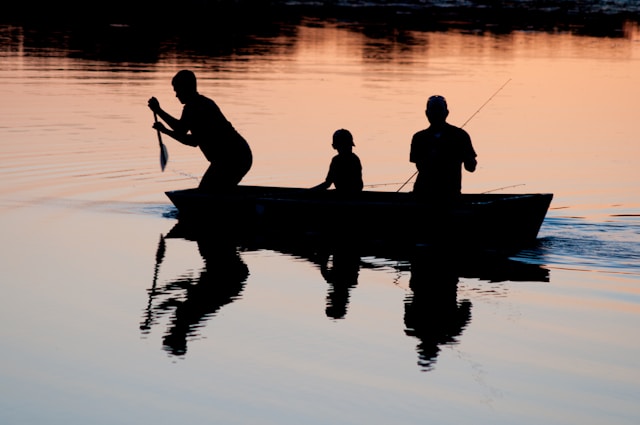
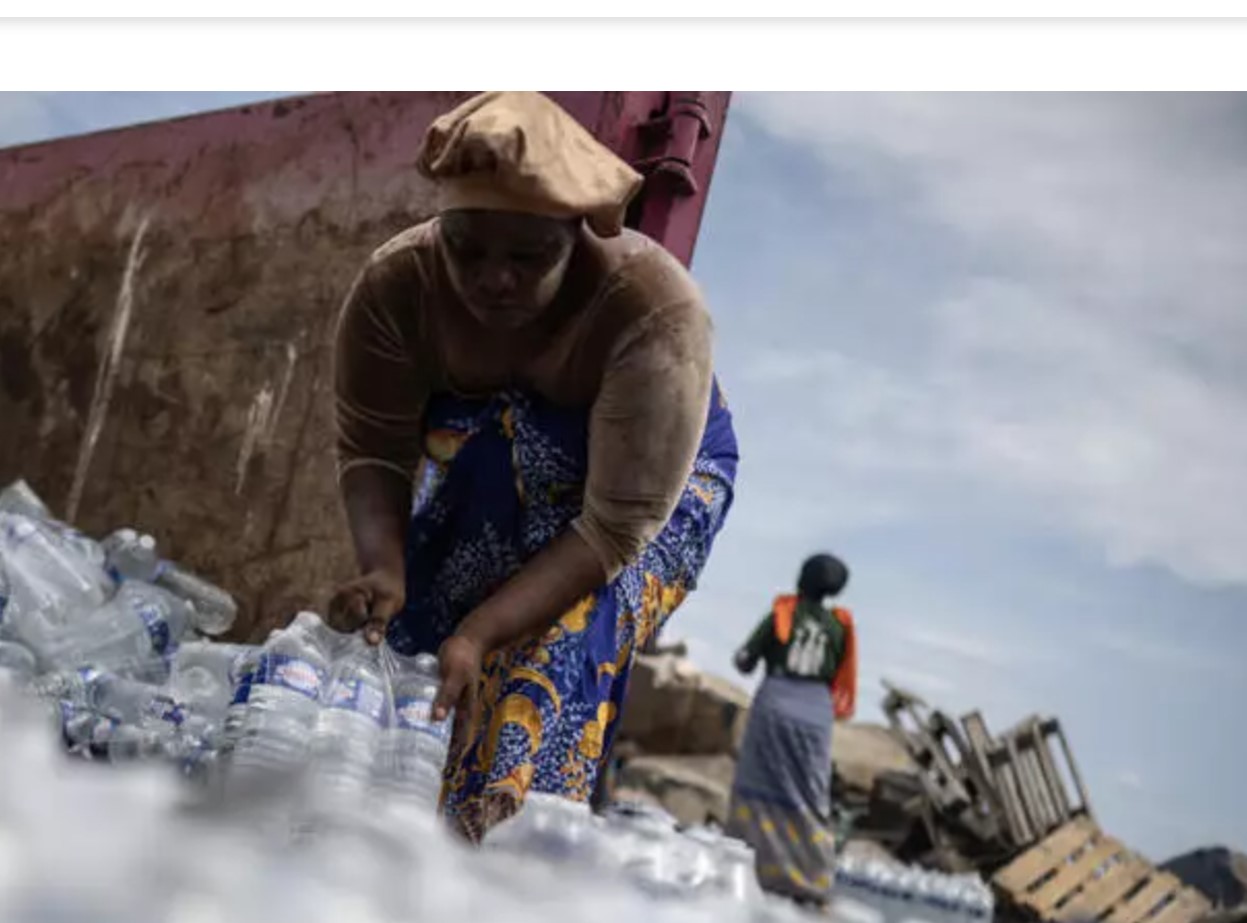
Photo Credit: Rus Akbar Saleleubaja. Retrieved from earthjournalism.net Erminarti Sabelau (35), a resident of Bungo Rayo Hamlet, Sinaka Village, South Pagai Sub-district, Mentawai Islands Regency, Indonesia, rowed a canoe across the Tattanen River. She was carrying her three-year-old son. Inside the canoe were six 5-liter jerry cans filled with water. She tied her boat to a cement ladder on the riverbank, where people usually moor their boats. On top of the ladder was her big jerry can. She transferred water from the six small jerry cans in the boat to the big jerry can. She went back and forth three times. Erminarti fetches water twice a day. She has to go boating 200 meters away from the Bungo Rayo village and then walk another 200 meters. “We have been fetching water like this since last August, since the floods hit our village which caused the Pamsimas water channel to no longer flow to the houses,” Erminarti said on October 28, 2023. Pamsimas—Community-Based Water Supply and Sanitation—is a national program to provide drinking water in villages. The Pamsimas water reservoir in Bungo Rayo Hamlet is located across the Tattanen River. The source of the water is from the upstream of the river, which is channeled by pipes. From the basin, the water is piped to the village.

Read more
Storms on the horizon: Can aquaculture insurance work on Prince Edward Island?
Water & FoodAugust 26, 2024

Storms on the horizon: Can aquaculture insurance work on Prince Edward Island?

In September 2022, post-tropical storm Fiona dumped up to 90 mm of rain in Prince Edward Island (PEI), bringing wind gusts up to 150 km an hour, high waves and flooding. Similar – and worse – activity happened across the Maritimes. “Huge rafts of buoys that had broken loose and in a tangled mess were floating around,” said Peter Warris, executive director of Prince Edward Island Aquaculture Alliance. “We literally had whole mussel farms, oyster farms just swept away. Gears strewn over miles and miles and miles.” One of the industry’s issues that Fiona exposed was the lack of affordable private insurance options for PEI’s growers, which motivated a new pilot project currently underway to rectify that situation. A combined effort amongst industry organizations, including the PEI Aquaculture Alliance and local insurers, with support from the provincial government – and hopefully, eventually, the federal government – the project aims to help aquaculture companies recover quicker from future storms and support a growing part of PEI’s economy.

Read more
They’re 600km off the coast, but farmers on Lord Howe Island say ‘we can’t compete with Woolworths’
Water & FoodAugust 16, 2024

They’re 600km off the coast, but farmers on Lord Howe Island say ‘we can’t compete with Woolworths’

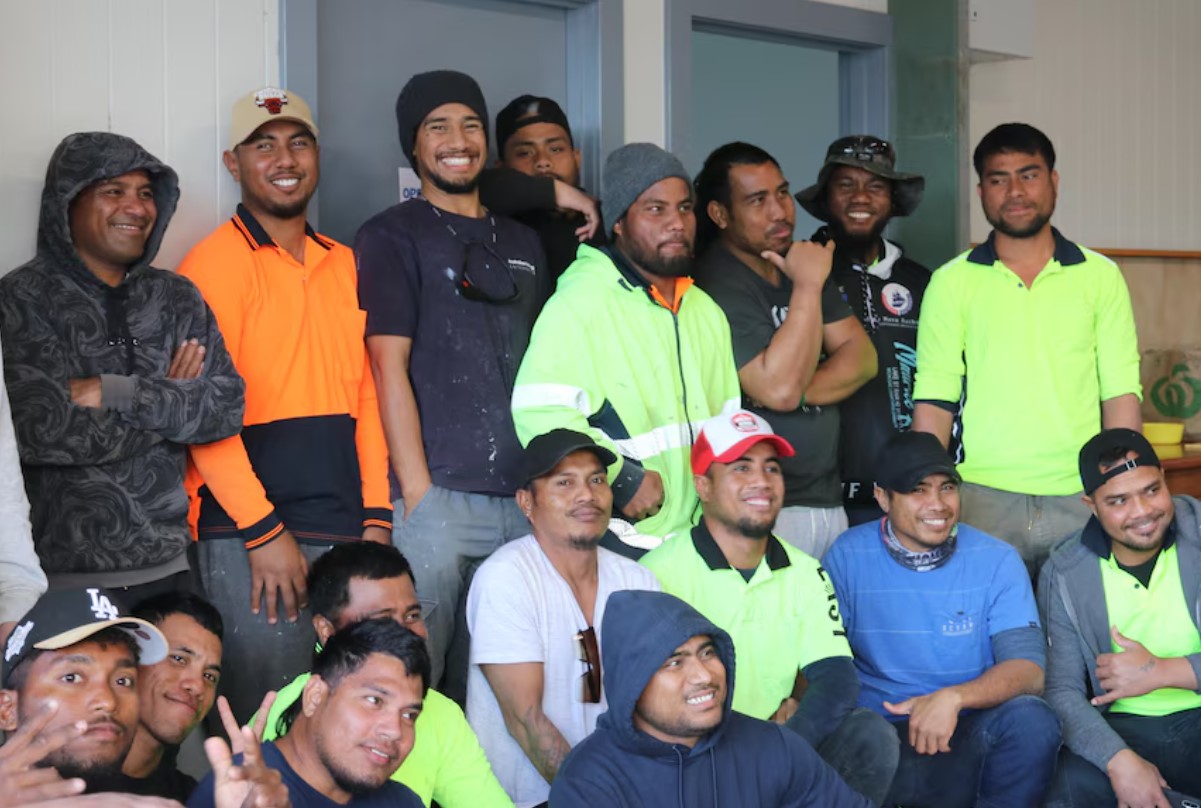
Excerpt and photo from theguardian.com Everyone who was around in 1974 remembers the runway going in. From above, the kilometre-long tarmac strip resembles a faded scar through the belly of [Lord Howe Island](https://www.theguardian.com/australia-news/lord-howe-island), a tropical jewel of conservation 600km off the New South Wales coast. For longtime locals such as Robert Jeremy, its completion marked the end of a wilder era. Jeremy is a descendant of one of the first settlers of the island, a south Pacific paradise uninhabited by humans until its discovery in 1788. He has fond memories of summers spent at****his grandparents’ island property, which hosted the butcher’s shop, dairy, liquor store and library. “The island was very family-orientated, there were no telephones, it was an isolated place,” he says. “The old family network has broken down quite a lot, but it’s still there in a meaningful way.” Then came the runway. It opened the island to the outside world, paving the way for the expansion of the tourism industry and successful conservation campaigns. It was a lifeline – and also the final nail in the island’s long tradition of****subsistence farming.

Read more
Batanes’ sustainable farming: a model for climate resilience
Water & FoodAugust 9, 2024

Batanes’ sustainable farming: a model for climate resilience

Excerpt and photo from fairplanet.org In Batanes, the Philippines’ northernmost island, Indigenous peoples’ farming practices serve as a model for food sovereignty and climate resilience. Marilou Fitero and her then 6-year-old daughter, Dianne, were huddled under their table for hours, their hands pressed tightly against their ears to block out the deafening roar of 215 kph winds and the terrifying sound of iron sheets being torn from roofs and hurled across their hometown. Batanes is the smallest island-province in the Philippines, located at the northernmost tip of the archipelago. This isolated island, positioned within the Pacific’s typhoon belt, is home to over 18,000 indigenous Ivatan people, who are renowned for their resilience in the face of severe storms. But Kiko, a [super typhoon](https://news.abs-cbn.com/news/03/23/22/pagasa-redefines-super-typhoon-tweaks-wind-signals) in the region, was one of the most devastating storms the island had ever experienced.

Read more
French Polynesians revive traditional rāhui to protect fish — and livelihoods
Water & FoodAugust 5, 2024

French Polynesians revive traditional rāhui to protect fish — and livelihoods

Image courtesy of Alexander Filous. Retrieved from news.mongabay.com It’s Mass Day in Fenua Aihere. There are no roads to this part of the island of Tahiti — it’s only reachable by boat. It’s Monday, not the typical day for Mass in a Catholic community in French Polynesia. But here, everyone is a fisher or the wife, daughter or son of one. And on Sundays, they all head to the market to sell their catch, either in Taravao, the nearest city, or across the island in Papeete, French Polynesia’s capital. Songs in Tahitian and French resonate inside the town’s small concrete church. Everyone listens carefully to the deacon’s speech, even though the temperature and humidity are nearly unbearable. The service lasts just over an hour. After one last song, believers leave the church and move on to the tasks of the day: taking care of the house and the kids, or getting ready to go out fishing. Fishers will head into the clear blue lagoon of Tautira municipality, but they must avoid the waters right off Fenua Aihere. Since 2018, 265 hectares (655 acres), about 10% of Tautira’s lagoon, have been protected with a rāhui. This Tahitian word indicates an area of land or sea where it is forbidden to take any resources, and in some cases even to enter. “I think it is a very good thing,” says Célestin Tevarai, a fisher like his father and grandfather, who sits on a bench in the church’s courtyard after the service, facing the blue lagoon. “It helps us protect the fish and to be sure that tomorrow our children will still be able to fish and feed themselves.”

Read more
St. Maarten Looks To Nevis’ Agriculture Industry For Best Practices, Possible Trade Link
Water & FoodAugust 2, 2024

St. Maarten Looks To Nevis’ Agriculture Industry For Best Practices, Possible Trade Link

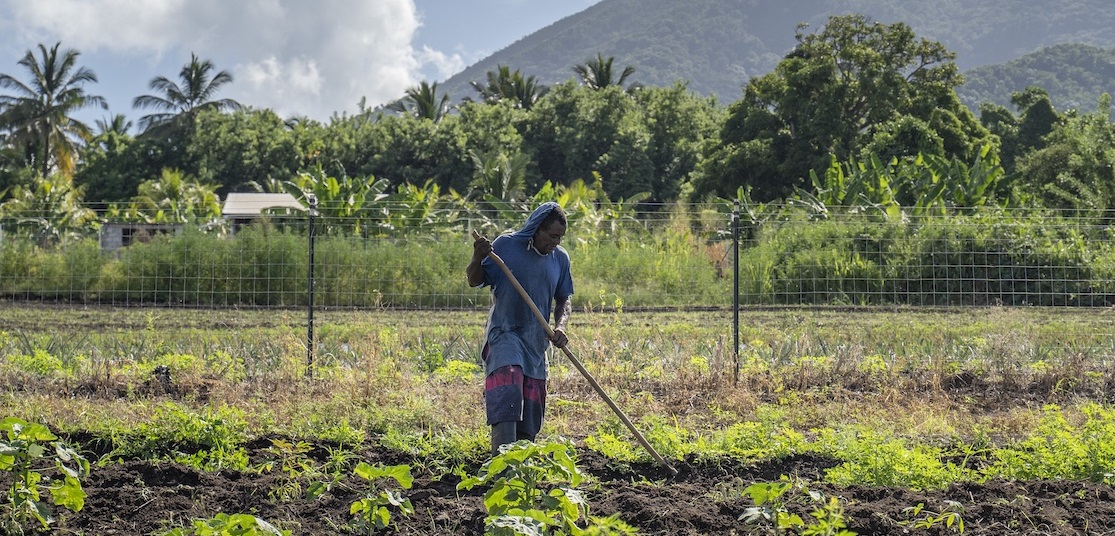
Excerpt and Photo: thestkittsnevisobserver.com Sint Maarten’s Minister of Tourism and Economic Affairs the Honourable Grisha Heyliger-Marten says not only can the Dutch territory learn from Nevis’ agriculture model, the possibility exists for the two islands to forge trade links. The idea of inter-island collaboration was well received by Deputy Premier and Minister of Agriculture in the Nevis Island Administration (NIA), the Honourable Eric Evelyn. He led the Honourable Heyliger-Marten and her delegation on a tour to various agricultural stations during a recent visit to Nevis. “We are always happy to welcome persons from the neighboring islands to come to see what we are doing and to see what they can take away. The Minister has been talking about more trade between Sint Maarten and the Federation of St. Kitts and Nevis; that is something that we would also welcome.

Read more
Taking the chance out of agriculture in Cabo Verde
Water & FoodJuly 29, 2024

Taking the chance out of agriculture in Cabo Verde

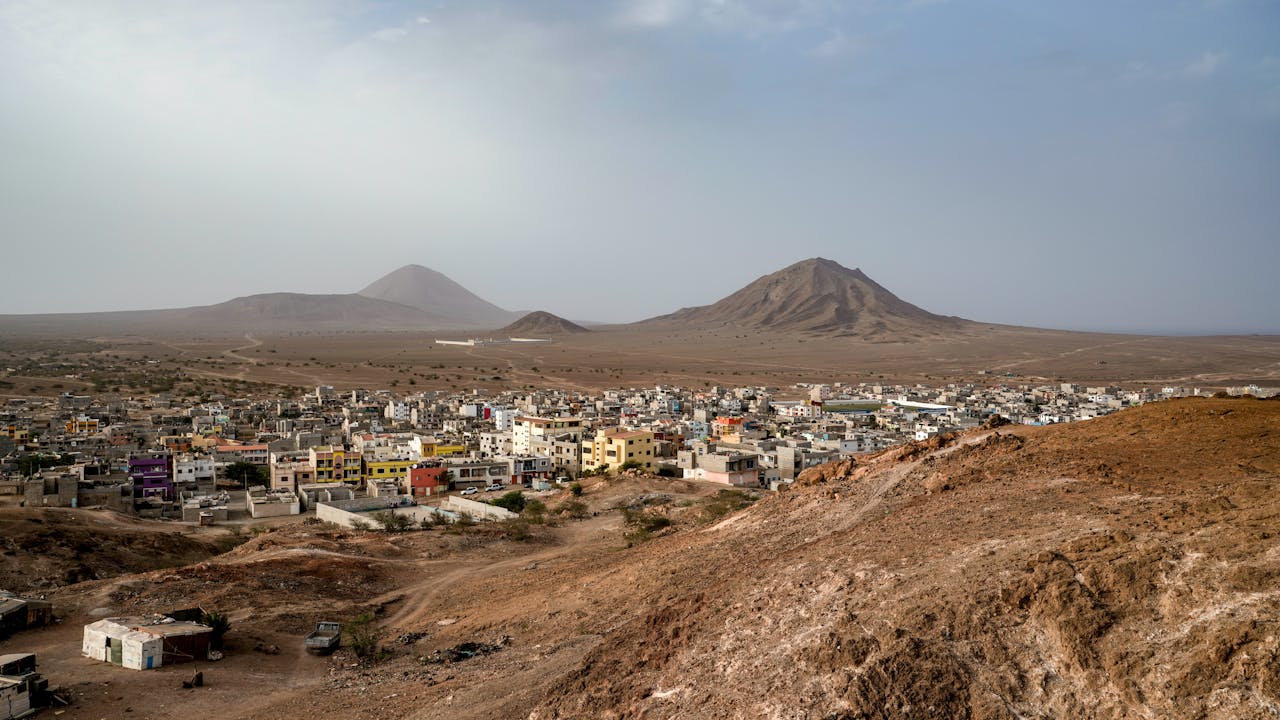
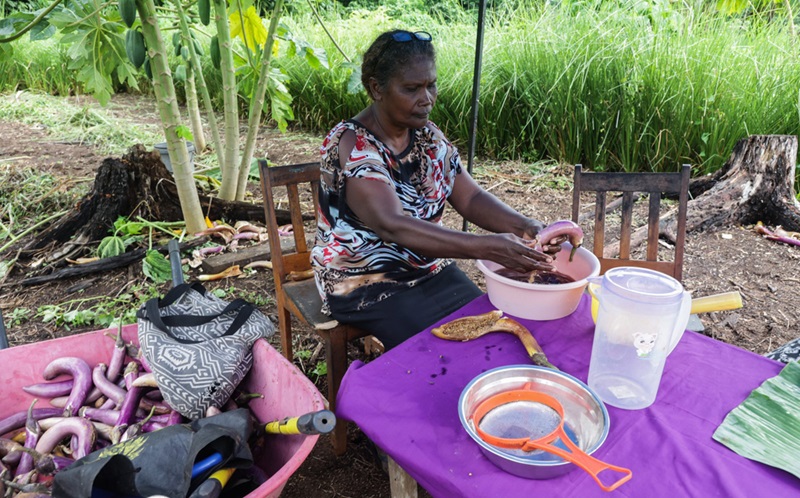
Excerpt and Photo from fao.org The beans pop out of their sheathing as Elisabeth Da Conceiçao lays them out to dry. It’s the end of the harvesting season. This year there was enough rain that she could keep some of the beans, sweet potatoes and corn for her family’s consumption, but also sell some. It all depends on the rain. Though the climate in Rui Vaz in the high hills of Cabo Verde’s capital island, Santiago, is humid and gets more precipitation than the rest of the arid country, there have been big changes here too. “In recent times, rainfall has been one of the major challenges because, as we know, the climate has changed. It rains less. We spend a lot of money to produce, and when there’s a lack of rain, everything is lost,” says Elisabeth. With the changes in climate, Cabo Verde like many other countries, has not only seen a decrease in rain but has also seen an increase in agricultural pests. In 2017,  [fall armyworm](https://www.fao.org/fall-armyworm/background/en/) arrived in the country decimating much of the corn crops, and not only. But there has been an increase in many other pests as well.

Read more
The Greek islands are grappling with a water crisis as tourist season kicks into gear
Water & FoodJuly 23, 2024

The Greek islands are grappling with a water crisis as tourist season kicks into gear

Photo: Stelios Misinas/Reuters. Retrieved from edition.cnn.com The Greek Islands, known for their idyllic towns, rugged landscapes and sun-baked beaches, are in the grip of a serious crisis. Many are running alarmingly low on water — a problem set to get worse [as the tourist season hits full flow](https://www.cnn.com/2024/06/29/travel/europe-heat-waves-tourism-safety-intl/index.html)and hot dry weather continues. Several****islands, including Leros, Sifnos and parts of Crete and Kefalonia, have declared states of emergency over water shortages, as years of very low rainfall and an abnormally hot winter have taken a toll on reservoirs and underground water sources. Authorities****are scrambling to find solutions, including turning seawater into drinking water, as the****islands prepare for millions of tourists to arrive in the weeks ahead. In Naxos, a mountainous island in the Aegean Sea, fringed with long sandy beaches, reservoirs have shrunk dramatically, revealing parched lake beds. The island’s two rain-fed reservoirs now collectively hold around 200,000 cubic meters of water (52.8 million gallons), just a third of what they had last year. “The situation for sure is bad,” said Naxos Mayor Dimitris Lianos.

Read more
Blood in the Water, Food on the Table, Protesters on the Shore
Water & FoodJuly 12, 2024

Blood in the Water, Food on the Table, Protesters on the Shore

Photo by Reda Company srl/Alamy Stock Photo. Retrieved from hakaimagazine.com In a centuries-old tradition known as a grindadráp, the Faroese people hunt long-finned pilot whales for their meat and blubber. The whales are technically large dolphins, ranging from four to over six meters long, with bulbous heads and black tails. When a pod is sighted, someone calls a “grind,” pronounced “grinned,” and people are free to leave work to participate. School children leave class to watch. Once the hunters have killed the whales using lances, they share the meat and blubber, carrying it home in buckets, wheelbarrows, and truck beds for boiling and preserving. For many in this place so deeply connected to the sea, the practice is meaningful and central to cultural identity and memory. But it’s proven controversial to outsiders. Compared with industrialized commercial meat production today, which tends to remain contained within factories and industrial slaughterhouses, the grind does not hide the violent reality of harvesting meat for food. That—and the fact that the grind’s quarry is an intelligent marine mammal—have made the hunt a high-profile target for Østrem and Marshfield, and other activists. The pair is part of a land crew with the Captain Paul Watson Foundation UK. Paul Watson is the infamous founder of Sea Shepherd Conservation Society—best known for its militant tactics on behalf of marine life, including against Indigenous whalers. When Watson split with Sea Shepherd in 2022 over directional differences, a few chapters around the world changed their names to stay aligned with him, including Sea Shepherd UK.

Read more