VIS 2026VIS 2026 — Virtual Island Summit|Also: GSIS 2027GSIS 2027
Island Innovation Logo
About
Services
The Network
Events
Content Library
Contact Us

News

Curated stories and analysis from islands and sustainability leaders worldwide.
Loading news...

Subscribe to our newsletter. By submitting, you agree to our Privacy Policy.

Island Innovation

Island Innovation works with governments, institutions, and partners worldwide to support island-led sustainable economic development.

We Support The UN Development Goals

SDG 9: Industry, Innovation and Infrastructure
SDG 11: Sustainable Cities and Communities
SDG 12: Responsible Consumption and Production
SDG 13: Climate Action
SDG 14: Life Below Water
SDG 17: Partnerships for the Goals

Explore

AboutServicesNetworkEvents

Content

ArticlesNewsCareers

Ready to Connect?

Join the island innovation community

Get in Touch

About

  • About us
  • Case Studies
  • FAQs
  • Press
  • Careers
  • Contact

Services

  • Services Overview
  • Public & Media Relations
  • Strategic Communications

Network

  • The Island Network
  • Academic Council
  • Newsletter

Events

  • Our Events
  • Watch Past Events

Content

  • All Content Library
  • Videos
  • Articles
  • News
Privacy PolicyTerms of ServiceContactManage email preferences

© 2025 Island Innovation. All rights reserved.

    Filter by Core Theme

    All ThemesCircular EconomyClimate ActionConnectivity & DigitizationCulture & CommunityEnergy & TransportGreen Finance & EconomyOcean & BiodiversityPolicy & GovernanceTourism & Remote WorkWater & Food
    Showing 9 of 399 news items in Culture & Community
    In Wallis and Futuna, a Unique Healthcare System: "You Don't Govern in Wallis the Same Way You Govern Elsewhere."
    Culture & CommunityAugust 20, 2026

    In Wallis and Futuna, a Unique Healthcare System: "You Don't Govern in Wallis the Same Way You Govern Elsewhere."

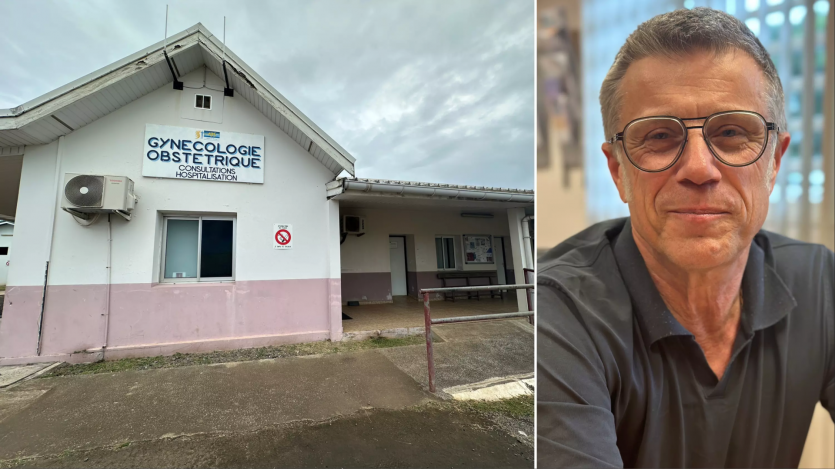
    From New Caledonia to Mayotte, via Guadeloupe, hospitals in France's overseas territories play a vital role. Despite challenges related to geographical isolation, insularity, weather conditions, various diseases, and staff shortages, they persevere, innovate, and grow. Our partner Outremers360 gives a voice to the directors of these hospitals. Dominique Cheveau, former director of Médipôle, heads the Wallis and Futuna Health Agency and oversees the territory's two hospitals. How are the hospitals in Wallis and Futuna doing? The hospitals are doing well. The situation on our island is very specific; the local healthcare system relies on the Wallis and Futuna Health Agency. This agency is responsible for the two hospitals: Sia Hospital in Wallis and Kaleveleve Hospital in Futuna, located 240 kilometers apart. The agency also oversees three clinics that offer general medical consultations, maternal and child health services, and dental care. The agency therefore has missions related to public health, epidemiology, and prevention. This public institution that you manage is responsible for implementing health policy in a territory without a general social security system or earmarked taxation. Why? This unique situation stems from an agreement between Wallis and Futuna and the French State when the territory joined the Republic. It was agreed that healthcare would remain completely free for everyone. Whether for residents or tourists, healthcare costs are covered by the State. There is no private medical practice; the Health Agency remains the sole healthcare provider, overseeing the two hospitals and three clinics. Are hospitals under strain? Hospitals represent 20% of the agency's activity. They are small facilities with relatively low patient volumes. It's exceptional for us to be at capacity. We have 20 medical beds, 20 surgical beds, and an operating theater with a surgeon. Practitioners regularly come from New Caledonia and mainland France to conduct consultations and perform operations. We almost always have visiting doctors on assignment in our hospitals. These include gastroenterologists, ophthalmologists, oncologists, and so on. Which practitioners are permanently based in your area? We have an anesthesiologist, a surgeon, two general practitioners, a pharmacist, a radiologist, a biologist, and emergency physicians. For an area of ​​about 11,000 inhabitants, that's already quite good. We have no trouble attracting specialists for missions lasting from two to three weeks; the candidates are here because it's very enriching for them medically to come here. In cases of complex medical needs, the Health Agency organizes the transfer of patients to mainland France, New Caledonia, or Australia. How many are there per year? We carry out approximately 850 medical evacuations per year. Ninety percent of these transfers are to New Caledonia. Medical evacuations to mainland France involve specialized oncology, and we also send patients to Australia for neurosurgery or cardiac surgery. These transfers represent 30% of our budget, or 25 million euros per year [nearly 3 billion francs, editor's note], and we receive state funding that allows us to pay our service providers. What are the other specific characteristics of your territory in terms of healthcare? In terms of health, we have significant nutritional problems, with widespread overweight and a very high obesity rate, as in most overseas territories. These issues lead to numerous health problems such as diabetes and heart disease. We also have vector-borne diseases, transmitted by mosquitoes, such as dengue fever. We are conducting prevention campaigns among the population, and the territorial authorities are doing everything possible to prevent an outbreak. Filariasis [a parasitic disease that affects the lymphatic system, editor's note] is also present in our territory. We are currently conducting a major treatment campaign in Futuna, with the goal of treating 60% of the population against this disease, which was thought to have been eradicated twenty years ago. However, filariasis can be neutralized, meaning it goes dormant, but it can reappear. Endometrial cancer is also prevalent in young women around the age of 30. A study is currently underway to understand the reasons for this prevalence, and we are working on this in partnership with the Eugène-Marquis Center at the University Hospital of Rennes, in Brittany. At the beginning of the year, the hospital in Futuna acquired its first hemodialysis center. What has this brought? The establishment of a hemodialysis center in Futuna has allowed many patients to receive treatment at home. Previously, Futunans had to travel to Wallis for their treatment. I met a woman who had undergone dialysis in Wallis for ten years. She was finally able to return to her island after a decade away from home. With a similar objective, we plan to install a scanner in Futuna and are considering replacing the aging one in Wallis. Our goal is to be able to more easily treat immediate emergencies in Wallis and Futuna. For acute treatments conducted outside the territory, we want patients to be able to return home as soon as possible; to achieve this, our infrastructure must be adapted for rehabilitation and postoperative care. What is the state of your healthcare infrastructure? Our buildings are old and outdated; we have renovation projects and we received €45 million [5.37 billion francs, editor's note] as part of the Ségur de la Santé (healthcare reform plan) for hospital renovations. But the work hasn't started yet; we're currently working on real estate investments. My predecessors only stayed for short periods, which doesn't make projects easy. In Wallis and Futuna, everything rests on three pillars: the Republic, the Catholic Church, and customary law (the three kingdoms). Decision-making requires time to consider each of the territory's stakeholders.

    12345678910
    Read more
    On an Indonesian Island, an Ancient Ritual Evolves to Protect an Endangered Cockatoo
    Culture & CommunityAugust 20, 2026

    On an Indonesian Island, an Ancient Ritual Evolves to Protect an Endangered Cockatoo

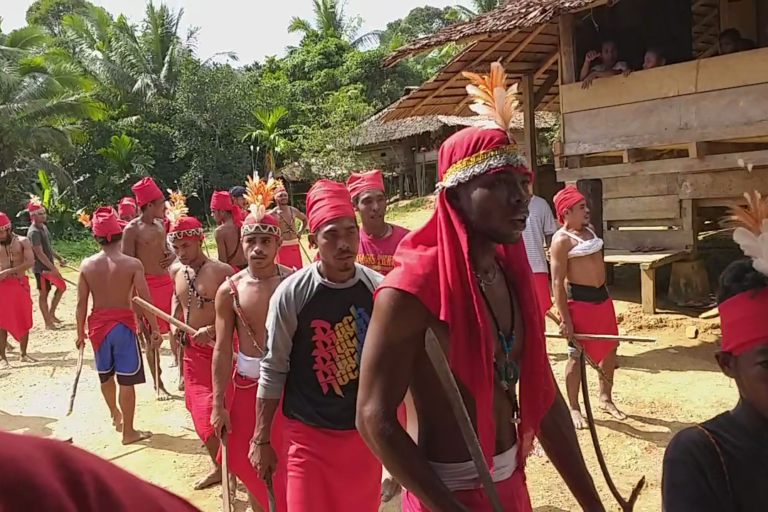
    An Indigenous community on Indonesia’s Seram Island is preserving a centuries-old coming-of-age ritual while helping protect the endangered salmon-crested cockatoo, a new study has found. The study, published in July in the Journal of Ethnobiology, documents how the Huaulu people adapted the sacred Cidaku initiation ceremony in collaboration with conservationists and government authorities. The ritual marks young men’s transition to adulthood and traditionally involved wearing the distinctive crest feathers of the salmon-crested cockatoo (Cacatua moluccensis), a bird found nowhere else on Earth. The Huaulu, one of Seram’s oldest Indigenous communities, regard Seram’s forests as a living realm inhabited by powerful spirits, shaping their approach to conservation. “The use of cockatoo feathers is specifically embedded within this cultural system and is very different from hunting birds for commercial purposes,” study lead author Dwi Agustina, a researcher at Indonesia’s Gadjah Mada University and program coordinator at the Indonesia’s Cockatoo Conservation Association (KKI), told Mongabay in an email. The Cidaku ritual once had ties to head-taking, but after colonial authorities and Christian missionaries suppressed the practice in the early 20th century, the Huaulu adapted the ceremony around hunting wild animals. The salmon-crested cockatoo became one traditional target, with its crest feathers used in the ceremonial puheliam headdress: the white feathers as a symbol of sacred life, peace and community, and the peach-tinged feathers signifying great strength and courage. Over the decades, however, the species has become endangered, largely due to poaching for the wildlife trade and habitat loss. That has put the Cidaku tradition at odds with Indonesian conservation law, which prohibits capturing or killing the species, including for ceremonial use. “The traditional hunting by the Huaulu community had a comparatively lower but not neglecting impact I would say,” study co-author George Olah, a conservation ecologist at Australian National University, told Mongabay in the email. He cited evidence from Manusela National Park, a protected area on Seram Island that overlaps with the Huaulu community’s forest territory, showing that salmon-crested cockatoo populations had fallen by more than half in some parts of the park. Those findings, in a 2021 study, also documented dozens of confiscated birds across Maluku province, the clutch of islands that includes Seram, and recommended elevating the species’ conservation status from vulnerable to the higher-risk category of endangered. In addition, the new study also found salmon-crested cockatoo feathers being offered for sale internationally via online marketplace eBay in 2024, underscoring the commercial pressures facing the endangered species. Huaulu community members distinguished their own use of feathers from wildlife trafficking and said they viewed external trade as a major driver of the bird’s decline. Researchers first conducted fieldwork with the Huaulu community in northern Seram from March to November 2019. Following the COVID-19 disruption, they resumed their fieldwork from July 2024 to May 2025. The study area, near Mount Binaya and Manusela National Park, is among the salmon-crested cockatoo’s last remaining strongholds, following the species’ disappearance from nearby smaller islands of Haruku, Saparua and Nusa Laut. Researchers interviewed 10 community members and surveyed 43 households, and conducted reviews of published research and evidence of feather trading. Discussions with Huaulu elders, traditional hunters and conservation authorities ultimately led to a proposal to not kill the birds for their feathers and instead gather the feathers that the cockatoos naturally shed. The study found that community members saw the feathers’ authenticity and sacred symbolism, and not the hunt itself, as central to the ritual’s meaning. While some elders initially worried the change could weaken the association with courage, younger men welcomed the approach, saying declining wild cockatoo numbers had made feathers increasingly difficult to obtain and risked delaying initiation ceremonies. These findings reinforced the conservation strategy of using shed feathers from rehabilitation centers, rescue facilities and zoos, enabling the Cidaku ritual to continue without hunting wild birds.

    Read more
    How Japan’s Islands Preserve Nature and Culture for the Future
    Culture & CommunityAugust 13, 2026

    How Japan’s Islands Preserve Nature and Culture for the Future

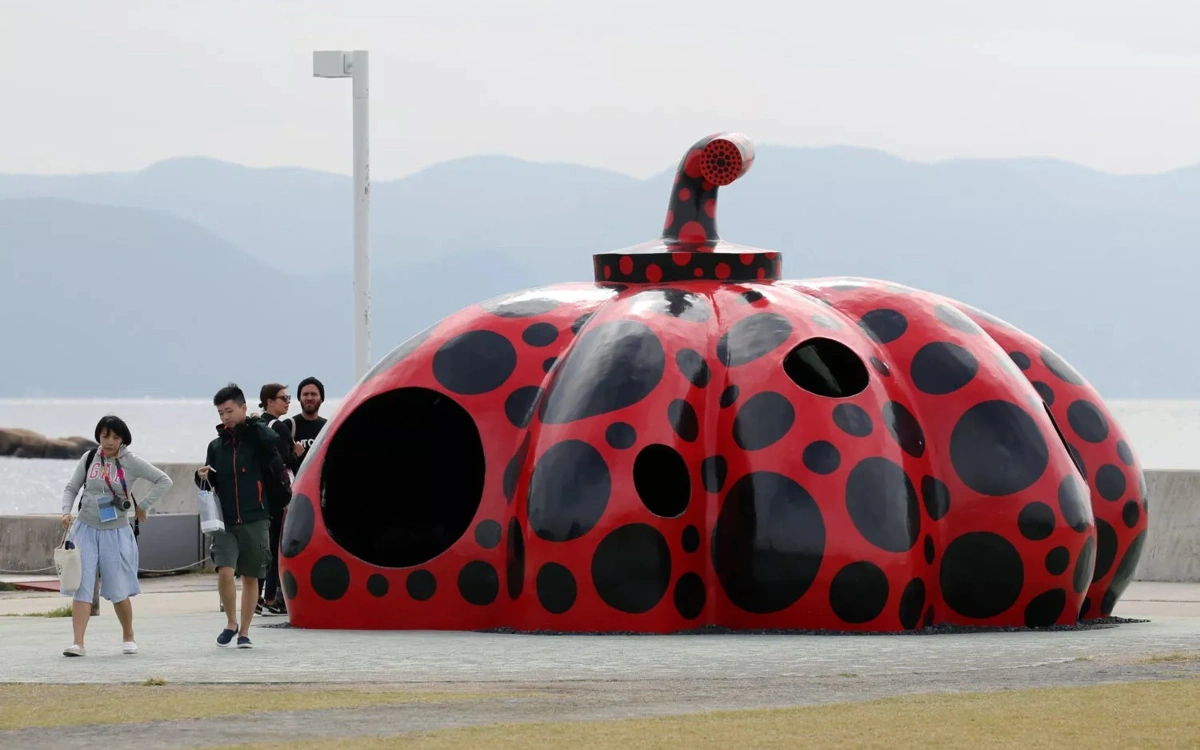
    Japan is home to more than 14,000 islands, each with its own distinct natural environment and cultural traditions. At the same time, these island communities face a shared challenge: sustaining local vitality. The stories of Hachijojima in Tokyo, where traditional culture continues to thrive; Naoshima in Kagawa Prefecture, known for its art-driven revitalization; and Yakushima in Kagoshima Prefecture, home to a UNESCO World Natural Heritage site, offer a glimpse into the efforts underway across Japan’s islands to preserve nature and culture while creating a sustainable future, JIJI Press reports. Hachijojima: Shaped by the Kuroshio Current Located about 290 kilometers south of central Tokyo and just a 55-minute flight away, Hachijojima is home to landscapes and cultural traditions distinct from those of Japan's mainland. In the island’s northwest stands Mount Hachijo-Fuji, rising 854 meters above sea level, while the surrounding Kuroshio Current has long brought abundant bounty from the sea. The island’s mild climate has earned it the nickname “the closest tropical destination to Tokyo.” From winter through spring, humpback whales migrate through its waters, and sea turtles and colorful tropical fish can be seen in the island’s exceptionally clear seas. However, Hachijojima’s appeal extends beyond its natural environment. During the Edo period (1603–1868), the island was also known as a place of exile, where a wide variety of people were sent, including Buddhist priests and samurai such as the once-powerful feudal lord Ukita Hideie. Over time, this history intertwined with the island’s environment and way of life, fostering a distinctive culture of its own. One of the most notable examples is Kihachijo, a traditional woven textile. Kihachijo traces its origins to silk textiles produced on Hachijojima some 800 years ago and has been designated a nationally recognized traditional craft. Its yellow, reddish-brown, and black colors are produced using natural dyes derived from small carpetgrass, Japanese bay tree bark, and a combination of Itajii chinkapin bark and mud dyeing. The process— from cultivating plants and producing dyes to coloring the fabric using the island’s soil and water—embodies the wisdom with which islanders have long made use of nature’s bounty. In recent years, a shortage of successors has become a challenge. In response, the Kihachijo Preservation Society and the Hachijo Town government have been working to pass on the craft’s techniques and nurture a new generation of practitioners, carrying this cultural tradition into the future. This knowledge of making the most of natural resources continues to shape life on the island today. Located along a common typhoon path, Hachijojima is not infrequently affected by disruptions to supplies and energy caused by canceled ships and flights. To address this, the island has made use of its abundant geothermal resources. In 1999, Japan’s first full-scale geothermal power plant on a remote island began operation there. At one point, it supplied roughly one-quarter of the island’s electricity and drew attention as a leading example of renewable energy use. Although the facility was decommissioned in 2019 due to aging equipment, surveys and plans for new geothermal power projects are still underway. Under the slogan “Aiming for a Clean Island,” Hachijo Town is working toward sustainable island development by making use of nature’s bounty in both cultural and energy initiatives. Naoshima: Revitalized Through Art Naoshima is a small island in the Seto Inland Sea with a population of around 3,000. Today, it is known as one of the world’s leading destinations for contemporary art, attracting visitors from across Japan and abroad. At Miyanoura Port, the island’s main gateway, visitors are greeted by Yayoi Kusama’s striking Red Pumpkin. Scattered across the island are the Chichu Art Museum, Benesse House Museum, and the Lee Ufan Museum, all designed by Tadao Ando. These sites create a unique landscape where nature, architecture, and art are seamlessly integrated. Among Naoshima’s many art experiences, the Art House Project stands out. Under this initiative, artists transform vacant traditional houses into works of art. At its core is the idea of making use of what already exists, rather than tearing down the old to build something new. The artworks extend beyond the buildings themselves. The light streaming through windows, the sea breeze flowing through alleyways, the pillars and floors marked by the passage of time, and even the everyday lives of the island’s residents all become part of the experience. As visitors walk around the island, they encounter its history and way of life firsthand. By preserving local memories while creating new appeal, the Art House Project is also an effort to rediscover the island’s value and pass it on to future generations. Yet Naoshima was not always a tourist destination. During Japan’s period of rapid economic growth, the Seto Inland Sea coast underwent industrialization, and the island experienced environmental problems such as air pollution caused by a copper smelter. In the 2000s, the island also played a role in treating industrial waste that had been illegally dumped on the neighboring island of Teshima. At the same time, it was losing population, and local vitality was beginning to decline. In the face of these challenges, Naoshima placed art at the heart of its regional revitalization. Today, the islands of the Seto Inland Sea—including Naoshima—host the Setouchi Triennale every three years. In 2025, the festival featured 222 artists and artist groups from 37 countries and regions, and Naoshima alone welcomed approximately 340,000 visitors. Once troubled by population decline, the island has become a cultural hub that attracts visitors from around the world. At the same time, the Seto Inland Sea is Japan’s largest enclosed coastal sea and faces the challenge of addressing the accumulation of marine plastic litter. In 2025, as part of the Setouchi Oceans X initiative, four prefectures jointly conducted coastal cleanup activities, collecting about 26 tons of waste. For Naoshima as well, preserving the environment of the Seto Inland Sea has become an important challenge as the island pursues regional revitalization through culture. Yakushima: Living in Harmony with the Forest Yakushima lies about 135 kilometers south of Kagoshima City and is one of the first sites in Japan to have been designated a UNESCO World Natural Heritage site. About 90 percent of the island is covered by forest, with mountains rising to nearly 2,000 meters. Subtropical plants grow along the coast, while cool-temperate vegetation is found near the mountain peaks, leading to the saying that “the Japanese archipelago exists within a single island.” Annual rainfall in the mountainous areas exceeds 8,000 millimeters—about five times Japan’s national average. This abundant rain has nurtured Yakushima’s unique ecosystem.

    Read more
    Pacific Island Nation Nauru Officially Changes Name to ‘Naoero’
    Culture & CommunityAugust 13, 2026

    Pacific Island Nation Nauru Officially Changes Name to ‘Naoero’

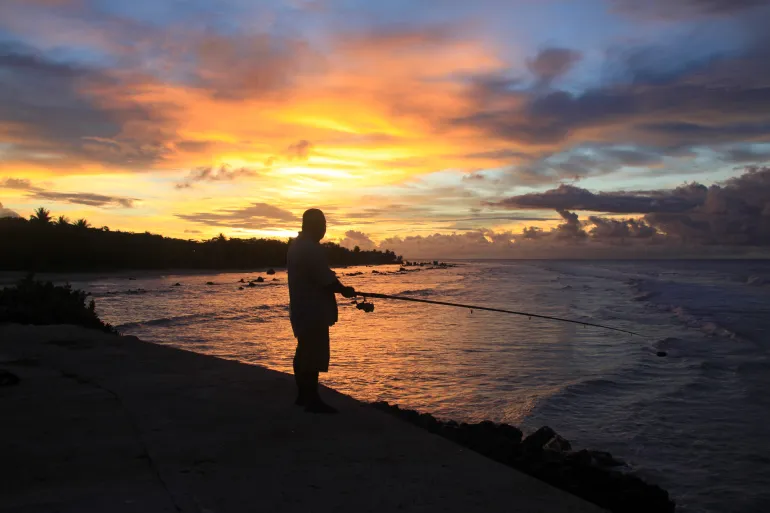
    The Pacific island nation of Nauru has officially reclaimed its traditional name, becoming the Republic of Naoero. Nauru’s parliament passed a constitutional amendment in May to change the name, and President David Adeang confirmed in a social media post late on Wednesday that plans for a national referendum on the change had been dropped. He said the shift reflected an identity the people already held rather than a new one seeking approval. “The decision not to pursue a referendum was reached after thoughtful deliberation that Naoero is not a new name seeking acceptance by the people,” Adeang said. “It is already the identity of the people, is on the national coat of arms, and spoken in the community; and importantly is allowed by the constitution.” The country’s short-form name will now be “Naoero”, while its citizens will be referred to as “dei-Naoero”. The government has notified international organisations and other countries of the change, and the transition process is already under way. The name Nauru dates back to European colonisation, when the island’s native name, Naoero, was altered because colonisers found it difficult to pronounce. Nauru is the world’s third-smallest nation, after Vatican City and Monaco, with a population of roughly 12,000. Adeang said the renaming was not a political move, but one centred on heritage, describing it as an effort to preserve “the legacy of our ancestors” while strengthening “the future of our children”.

    Read more
    Giving Babies a Healthy Start in Turks and Caicos Islands
    Culture & CommunityAugust 13, 2026

    Giving Babies a Healthy Start in Turks and Caicos Islands

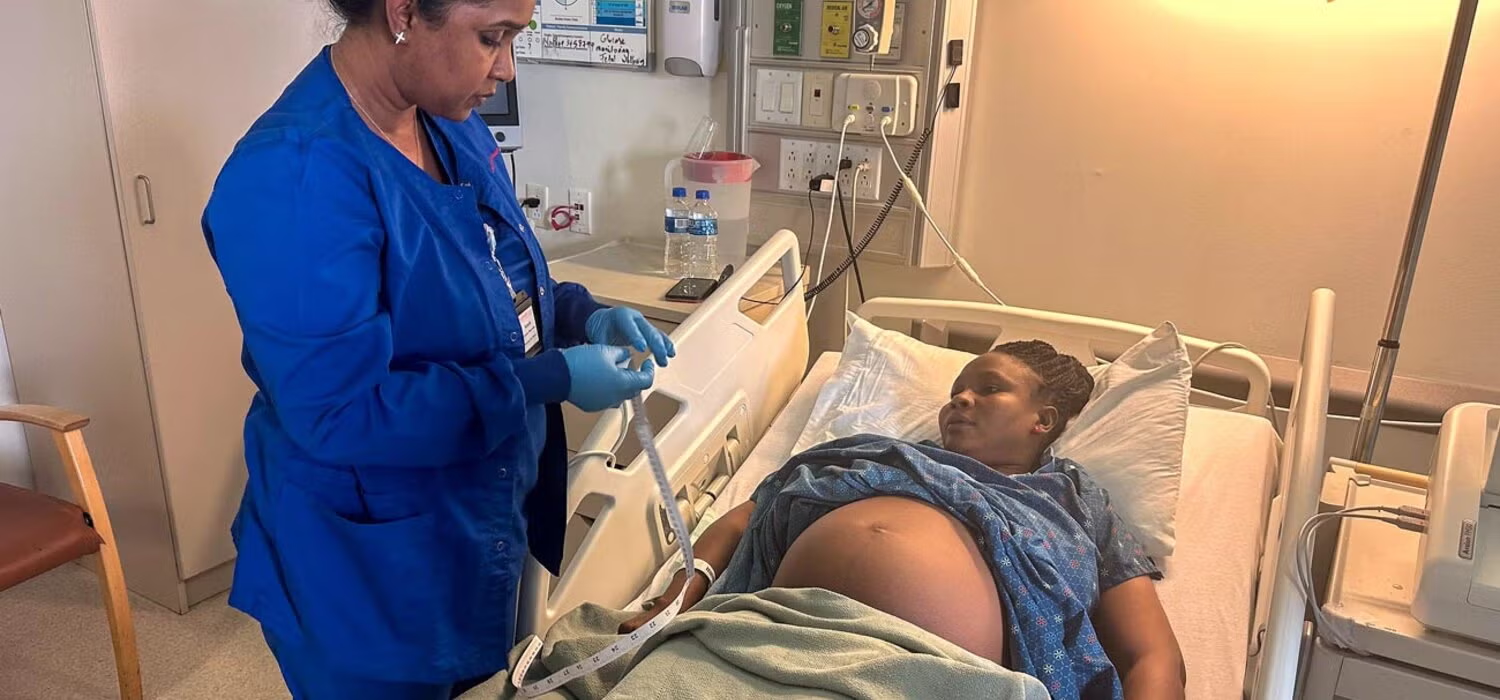
    Through early detection, integrated care, and sustained outreach, the Turks and Caicos Islands has eliminated mother-to-child transmission of HIV and hepatitis B. Dr. Camelia Clarke still remembers when a young mother came to the hospital just after missing her second period. Following a routine testing process, she tested positive for HIV. “We were able to counsel her, let her know what was happening. We also invited her partner in to be tested as well, and he was further linked to care and treatment,” Dr. Clarke recalls. What followed shows how early detection and immediate care can change the course of a newborn’s life, when a mother receives treatment and close monitoring throughout her pregnancy. “We established her baseline viral load, and with treatment, it eventually became undetectable,” Dr. Clarke says. By the time the mother gave birth with no complications, the team had dramatically reduced the risk of transmission. Right after delivery, the infant received prophylactic medication and, at 18 months, tested negative for HIV. “Because of the strong integrated service, the early recognition, we were able to prevent vertical transmission and have a healthy outcome for mother and baby,” Dr. Clarke explains. From early detection to zero transmission Today, Dr. Clarke is Director of the Health Promotion and Advocacy Unit and the focal point for the elimination of HIV mother-to-child transmission (EMTCT) within the Ministry of Health and Human Services in the Turks and Caicos Islands. The Caribbean nation, with just over 45,000 people, has been working for the better part of the last decade to build a system that strives to test, treat and monitor every woman and pregnancy. “Preventing mother-to-child transmission begins at the first antenatal visit,” says Nurse Savita Ramkellowan, Senior Public Health Nurse, attached to the Ministry of Health Primary Health Care. “The rapid tests have really transformed how we screen for HIV, syphilis, and hepatitis B in maternal health.” Thanks to this sustained effort, the World Health Organization (WHO) recently validated Turks and Caicos Islands for the elimination of mother-to-child transmission of HIV and hepatitis B. Backed by a strong primary health care system, integrated services ensure early detection, timely treatment, and continuous follow-up. By embedding screening into routine care, the country has reduced transmission rates below 2% and achieved over 95% coverage for prenatal care, HIV testing, and treatment for mothers and newborns.

    Read more
    GSIS 2026 Podcast
    Culture & CommunityJuly 30, 2026

    GSIS 2026 Podcast

    SMILO Podcast Series: Recorded Live in Gran Canaria During the Global Sustainable Islands Summit 2026 in Gran Canaria, our partners at SMILO recorded a special podcast series bringing together island leaders, policymakers, and experts from across the world. The series explores key themes including governance, blue economy, marine conservation, and sustainable financing. You can listen to the full-length podcast recording below, or explore the individual 9-episode breakdown to dive into specific topics and speakers. We’d like to extend a special thank you to SMILO, the Cabildo de Gran Canaria, and all the incredible guests and speakers who shared their insights and made this series possible.

    Read more
    Young People Across Eastern Caribbean Seek a Bigger Role in Climate Decisions: New Study
    Culture & CommunityJuly 23, 2026

    Young People Across Eastern Caribbean Seek a Bigger Role in Climate Decisions: New Study

    A UNICEF-commissioned study finds that young people in Barbados, Antigua and Barbuda, Dominica and Saint Lucia want to build careers in the green and circular economy, but face barriers to information, training and accessible employment. The research highlights strong climate awareness and a desire to contribute, alongside unequal access to the skills and opportunities needed to do so. UNICEF's regional representative called for greater investment in youth development and meaningful inclusion in decisions that shape young people's lives, so the findings can guide stronger climate, education and employment policy across the Eastern Caribbean.

    Read more
    The Real Mystery Behind Moana: After 1,700 Years, Why Did Polynesians Suddenly Sail East?
    Culture & CommunityJuly 23, 2026

    The Real Mystery Behind Moana: After 1,700 Years, Why Did Polynesians Suddenly Sail East?

    The story behind Moana draws on one of the great mysteries of Pacific history: why Polynesian voyagers resumed long-distance eastward settlement after roughly 1,700 years of relative stability in Samoa and Tonga. New climate evidence may help explain the shift. Between AD 900 and 1100, ancestral Polynesians embarked on a remarkable era of navigation in double-hulled canoes, reaching Hawai'i, Aotearoa and Rapa Nui within the following century. The spread of sweet potatoes across Pacific islands also suggests contact with the Americas. The research connects changing environmental conditions with the seafaring knowledge and cultural heritage that made this extraordinary expansion possible.

    Read more
    Samoa Makes Michelin History as TALA Earns the First-ever Star for Pacific Centred Cuisine
    Culture & CommunityJuly 14, 2026

    Samoa Makes Michelin History as TALA Earns the First-ever Star for Pacific Centred Cuisine

    A Samoan restaurant in Auckland has made culinary history after becoming the first Samoan eatery in the world to be awarded a Michelin star. TALA, based in Parnell, received the honour in the inaugural Michelin Guide for Aotearoa New Zealand, marking a major milestone for Pacific cuisine on the global stage. The restaurant is co-owned by Executive Chef Henry Onesemo and his wife Debby Onesemo, and is built around a deeply Samoan identity rather than a wider Pacific label. TALA's menus focus on storytelling through food with set dining experiences such as the Chef's Journey and Fagogo Journey. Since opening in November 2023, TALA has quickly risen through Aotearoa's fine dining ranks. At the centre of its dining experience is an approach rooted in Samoan tradition: the restaurant uses an umu, or earth oven, prepared during service so guests can see the cooking process from start to finish.

    Read more