Content Library

News

Curated stories and analysis from islands and sustainability leaders worldwide.

Showing 9 of 2022 news items
Fiji, Palau and Tuvalu set to show world leaders climate change impact ahead of COP31
Policy & GovernanceMarch 2, 2026

Fiji, Palau and Tuvalu set to show world leaders climate change impact ahead of COP31

Excerpt from abc.net.au Fiji, Palau and Tuvalu look set to host world leaders and climate change ministers in the lead-up to COP31 in a bid to encourage larger countries to accelerate cuts to emissions. Both Fiji and Palau had offered to host the "pre-COP" meetings secured for the Pacific under a complicated deal struck last year that saw hosting rights for the main climate summit go to Türkiye while giving Climate Change Minister Chris Bowen a key position in global climate negotiations. Australia and Pacific Islands nations have declared they want to use the opportunity to publicise the Pacific's existential battle with climate change. But negotiations on who should host events in the lead-up to the summit have dragged on.

Read more
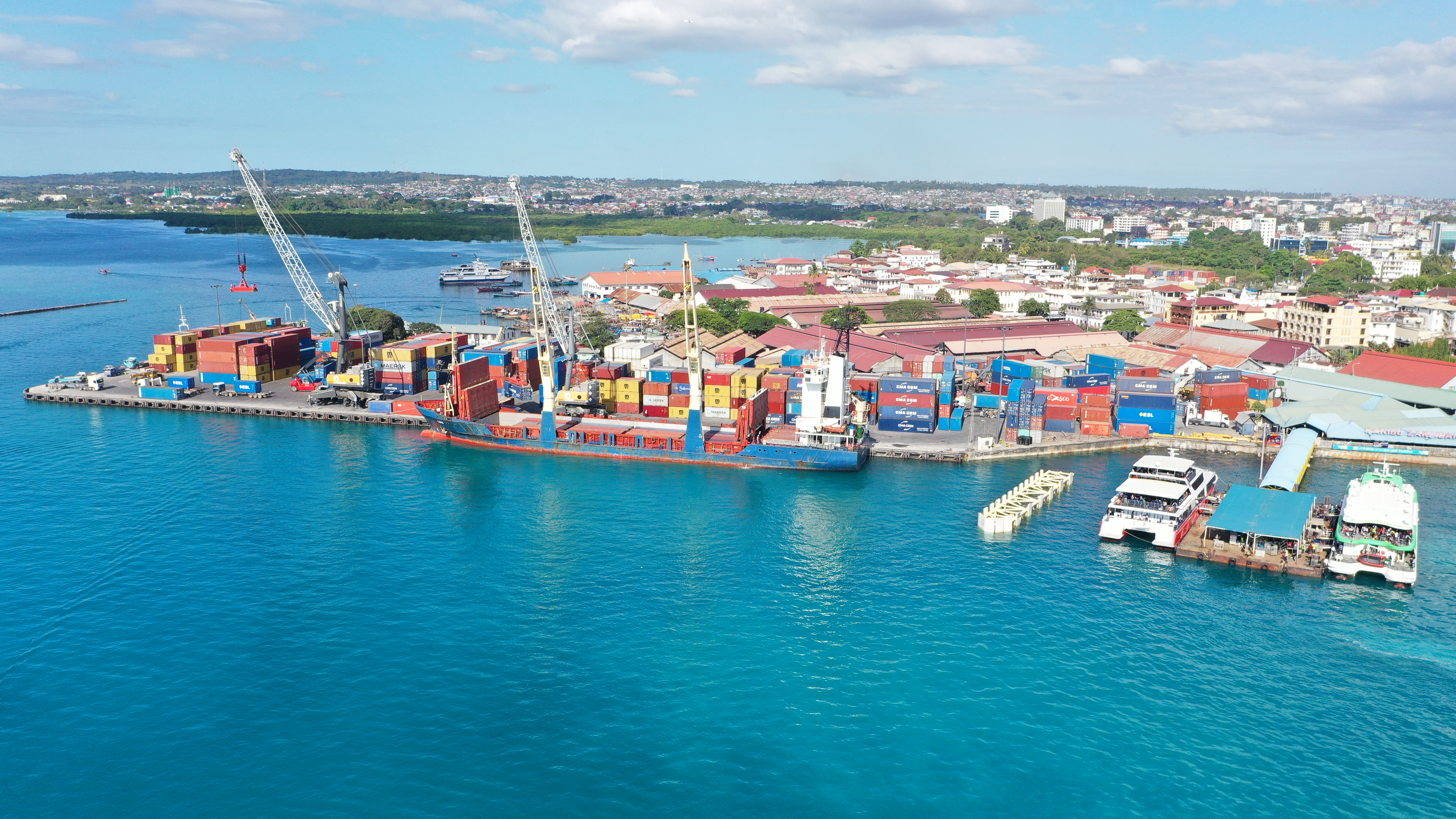
From repair to reinvention: Jamaica’s defining post-hurricane choice
Climate ActionMarch 2, 2026

From repair to reinvention: Jamaica’s defining post-hurricane choice

Excerpt from jamaica-gleaner.com In the aftermath of Hurricane Melissa, the public conversation has centred on an understandably sensitive issue: should Jamaicans pay more to rebuild? Roads were washed away, schools closed their doors, small businesses absorbed losses they were never structured to withstand, and several parishes continue to assess damage that will take months – if not years – to fully repair. The instinct is to debate taxation. But the more meaningful question is not whether recovery costs money. It always does. The real issue is how Jamaica chooses to finance reconstruction – and what standard of rebuilding it is prepared to accept. Over the past decade, Jamaica made deliberate progress in reducing its debt-to-GDP ratio and stabilising its macroeconomic position. That discipline matters. It restored investor confidence and reduced the country’s exposure to external shocks. A sharp return to heavy borrowing would risk weakening those gains. At the same time, avoiding difficult fiscal decisions in the name of political comfort is not a strategy either. Every country that experiences severe disruption – whether through conflict, pandemic or natural disaster – must recalibrate. Recovery requires capital. The method of mobilisation determines whether a nation stabilises or slips into repetition.

Read more
Azores dodges proposal to overturn no-fishing zones in its giant new MPA network
Ocean & BiodiversityMarch 2, 2026

Azores dodges proposal to overturn no-fishing zones in its giant new MPA network

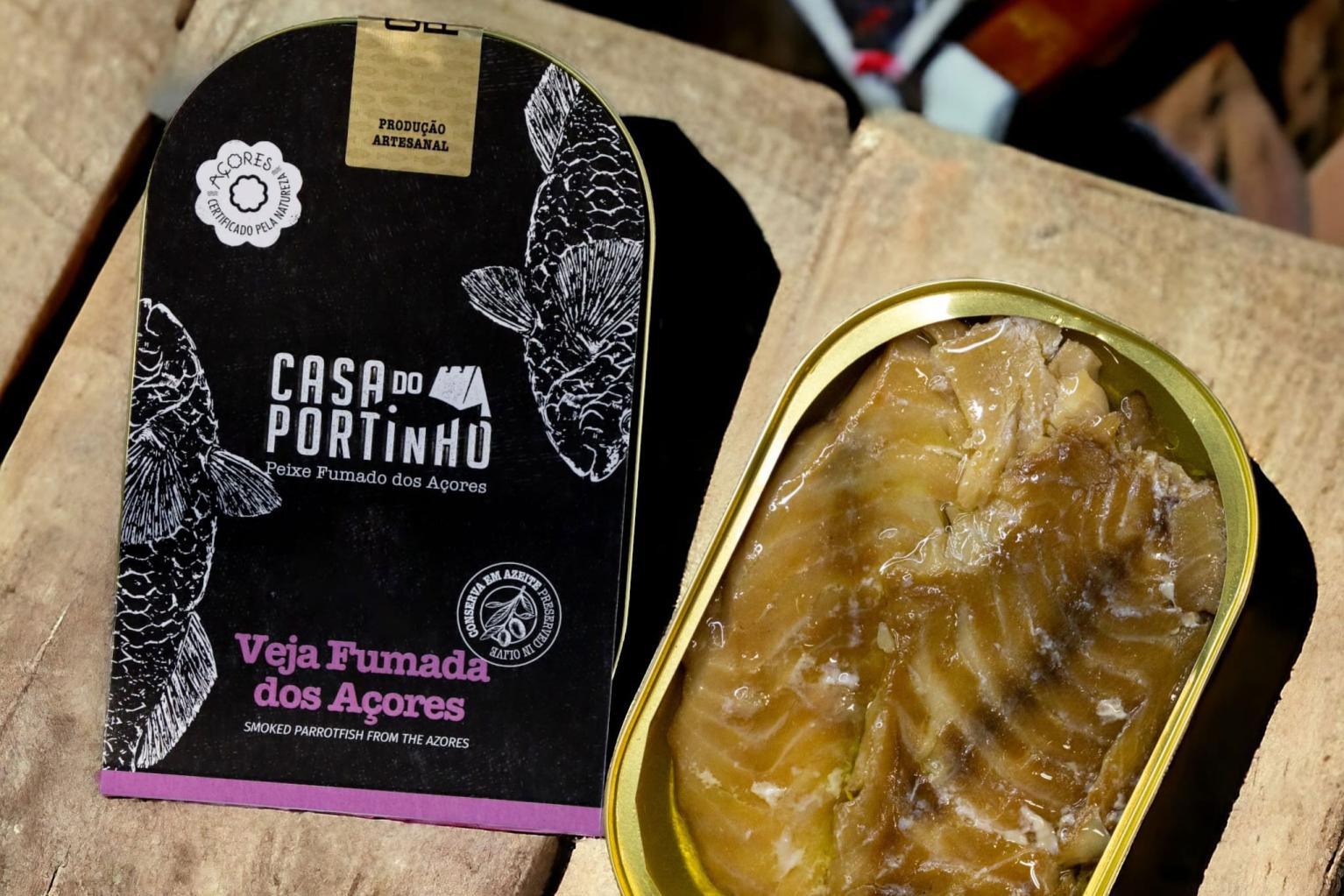
Excerpt from news.mongabay.com SÃO MATEUS, Portugal — Winter forced Emanuel Alves to remove his boat from the water at the port of São Mateus in the Azores, the Portuguese archipelago in the North Atlantic Ocean. The 64-year-old fisher expressed concern about the giant network of marine protected areas that permeates the archipelago. “Where are we going to fish now?” he asked. The law establishing the Azores Marine Protected Areas Network was approved in October 2024 and took effect just recently, on Jan. 1 this year. The network now safeguards 30% of Azorean waters, 287,000 square kilometers (110,800 square miles) of seascape sheltering a rich array of marine life. Not two weeks later, on Jan. 15, the Azores Parliament voted to uphold a core provision of the MPA network, after it came under fire in recent months: No fishing inside the fully protected areas, which constitute half the vast network.

Read more
When autonomy meets climate stress: Centralized finance and climate adaptation in a semi-autonomous island
Green Finance & EconomyMarch 2, 2026

When autonomy meets climate stress: Centralized finance and climate adaptation in a semi-autonomous island

Excerpt from “When autonomy meets climate stress: Centralized finance and climate adaptation in a semi-autonomous island” by Marie Stéphania Perrine, published on LinkedIn Pulse (24 February 2026). Introduction Across small island contexts, decentralization is frequently framed as a pathway to locally tailored development and improved governance responsiveness (Narotoma, 2022). Yet in climate-exposed island jurisdictions, the practical implications of autonomy depend less on formal legislative authority than on fiscal architecture (OECD, 2023). Semi-autonomous island regions often exercise administrative and policy control over key development sectors while remaining embedded within nationally centralized macro-fiscal systems (Baldacchino, 2006). This institutional configuration has significant consequences for climate-resilient development. This article examines how fiscal arrangements shape resilience capacity in semi-autonomous island jurisdictions, drawing specifically on the case of Rodrigues (Mauritius). It argues that climate vulnerability interacts decisively with centralized fiscal design (SNG-WOF, 2022): where decentralization transfers responsibility without transferring scalable financial instruments, vulnerability may be compounded rather than reduced (Tye and Suarez, 2021; Alcántara-Ayala et al., 2025).

Read more
Iceland’s iconic black sand beach is vanishing in a shocking transformation; here’s why
Tourism & Remote WorkFebruary 25, 2026

Iceland’s iconic black sand beach is vanishing in a shocking transformation; here’s why

Excerpt from timesofindia.indiatimes.com Iceland’s famous black sand beach has always felt a little unreal. Dark as charcoal and framed by cliffs. Pounded by Atlantic waves that don’t play nicely. For years, travellers have stood on the shore at Reynisfjara Beach, staring at its basalt columns and snapping photos that barely look real. It’s one of those places that seems permanent. And yet, in a matter of weeks, much of that iconic black sand appears to have vanished. Swept away and dragged into the North Atlantic, as cited by Arcticportal.org

Read more
Government announces €6.5 million Creative Climate Action fund III
Climate ActionFebruary 25, 2026

Government announces €6.5 million Creative Climate Action fund III

Excerpt from gov.ie Taoiseach Micheál Martin, Minister for Culture, Communications and Sport, Patrick O’Donovan, and Minister for Climate, Energy and Environment, Darragh O’Brien, today announced a new €6.5 million Creative Climate Action Fund, which will support imaginative, large-scale creative, cultural and artistic initiatives that help communities engage with climate change and empower citizens to make meaningful behavioural change. The Creative Climate Action Fund III is an initiative of the Creative Ireland Programme in partnership with the Shared Island Initiative and the Department of Climate, Energy and Environment. The Creative Climate Action Fund III (2026-2029) will support ambitious, durational projects that bring together expertise from the arts and culture sector, climate science, and community engagement, and is delivered through a cross-Government partnership. This Fund is seeking proposals that respond creatively to key national climate priorities, including those set out in the Climate Action Plan 2025, the National Dialogue on Climate Action, and the work of the Just Transition Commission.

Read more
DNA discovered in 2,000-year-old lentils could help save global food crops
Water & FoodFebruary 25, 2026

DNA discovered in 2,000-year-old lentils could help save global food crops

Photo Credit and Excerpt from earth.com Lentils grown today on a small Atlantic archipelago off the northwest coast of Africa have preserved a continuous DNA lineage reaching back nearly 2,000 years to some of the region’s earliest farming communities. That continuity shows how food crops can quietly carry human history across conquest, migration, and climate pressure, while holding traits shaped by long exposure to heat and drought.

Read more
Transforming Hazardous Waste into a Circular Economy in the Caribbean
Circular EconomyFebruary 25, 2026

Transforming Hazardous Waste into a Circular Economy in the Caribbean

Excerpt from iadb.org When people picture the Caribbean, they imagine white-sand beaches, clear blue seas, and vibrant communities—assets that also underpin the region’s economies. In 2022, services accounted for between 55% and 78% of total GDP in most countries, with tourism remaining the main economic activity and representing an average of 25.4% of regional GDP between 2015 and 2019. Protecting this natural capital through sustainable practices, including circular economy approaches to waste management, is therefore essential to preserve these vital services and sustain long-term economic prosperity. That is why the IDB Group partnered with the Global Environment Facility (GEF) to implement the ISLANDS Program in the Caribbean, approved in 2021 and launched in 2022. This initiative brings together projects across ten Caribbean countries to strengthen waste management systems and advance a circular economy in the region. The program also aligns with the 2024 ONE Caribbean initiative, demonstrating how effective hazardous waste management contributes to climate mitigation, institutional strengthening, and inclusive development.

Read more
Pilot projects aim to break Indonesia’s habit of burning household waste
Circular EconomyFebruary 25, 2026

Pilot projects aim to break Indonesia’s habit of burning household waste

Excerpt from news.mongabay.com When old mattresses and broken chairs are dumped by the roadside in his neighborhood, Erwinsyah faces a choice: leave them there and risk accidents, or set them on fire. The head of a neighborhood unit, or RT, in the city of Bogor, south of Jakarta, Erwinsyah says residents often discard bulky waste such as used spring beds and furniture along the street. Left unattended, they become an eyesore — and a hazard. “The mattresses are already dirty, smelly, full of rat droppings. So they just get placed by the roadside. But that’s an area where people pass by, children go to school,” Erwinsyah told Mongabay. “If a child walks past and it falls on them, then I’m the one who’ll get blamed as the head of the neighborhood unit.” To prevent that from happening, he sometimes burns the items in an empty field away from houses, staying to monitor the flames. What Erwinsyah describes isn’t unusual. Across Indonesia, open waste burning remains widespread despite being prohibited under the country’s 2008 Waste Management Law.

Read more